Ballybunion Golf Club (Old Course)
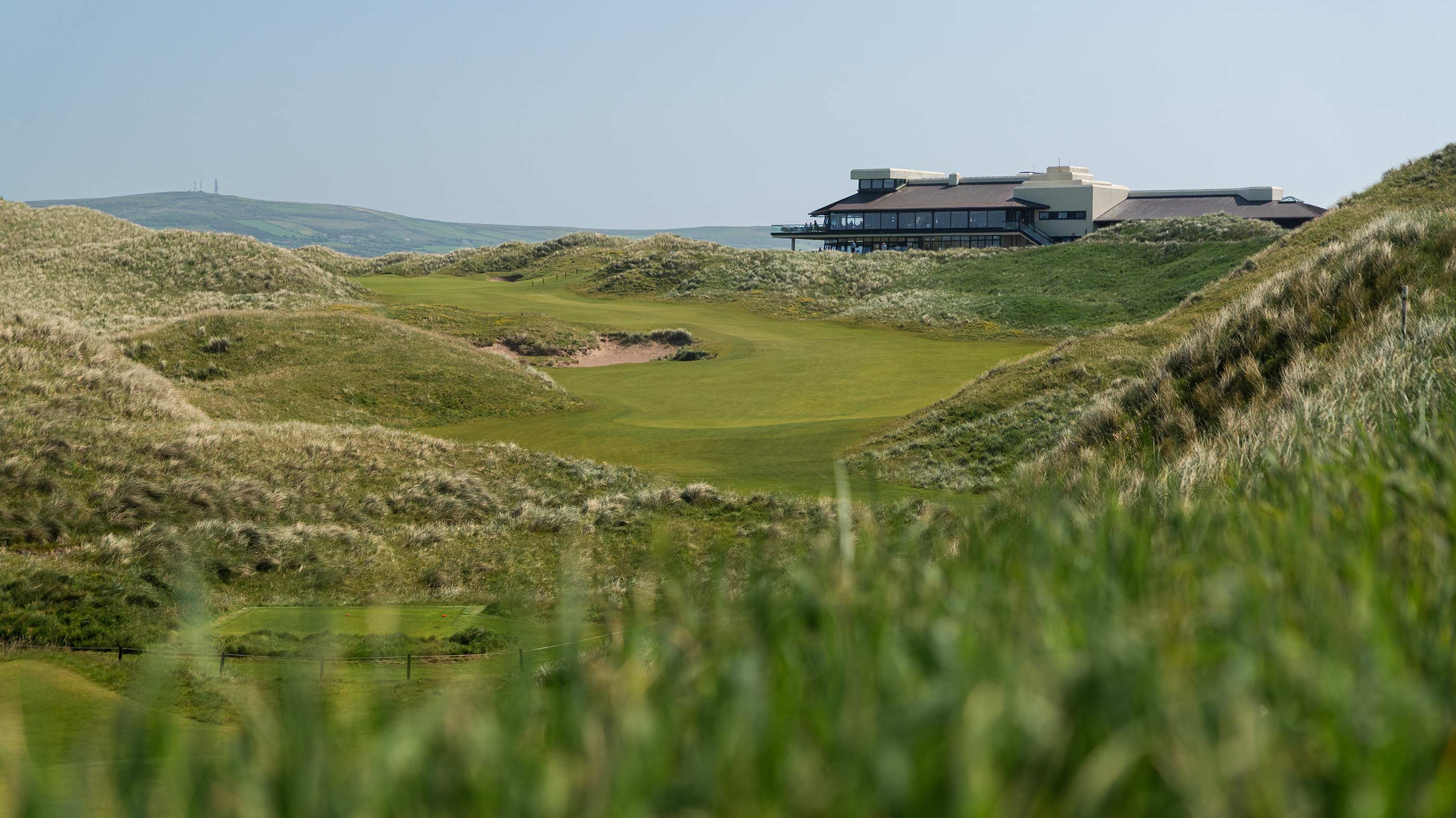
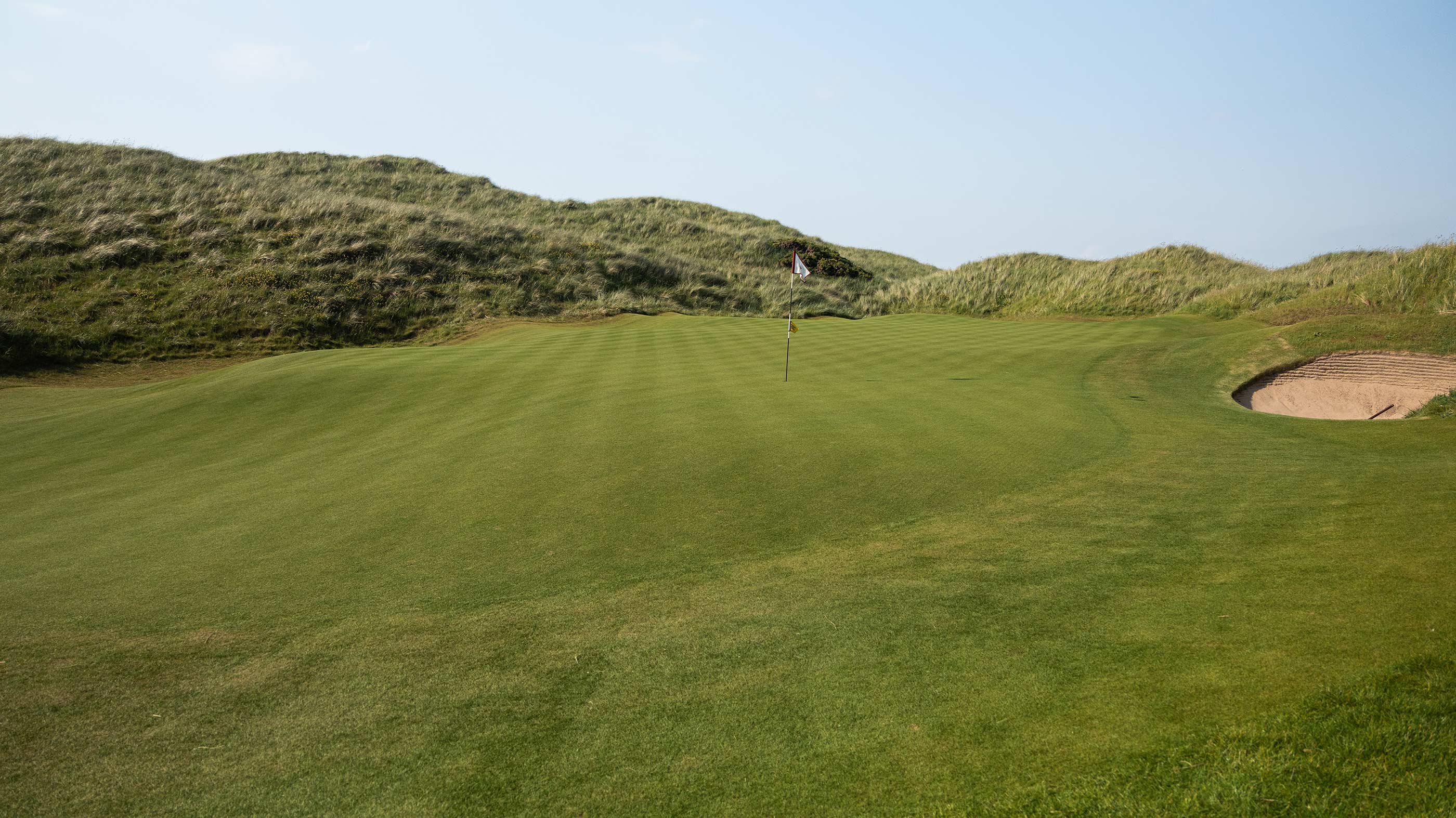
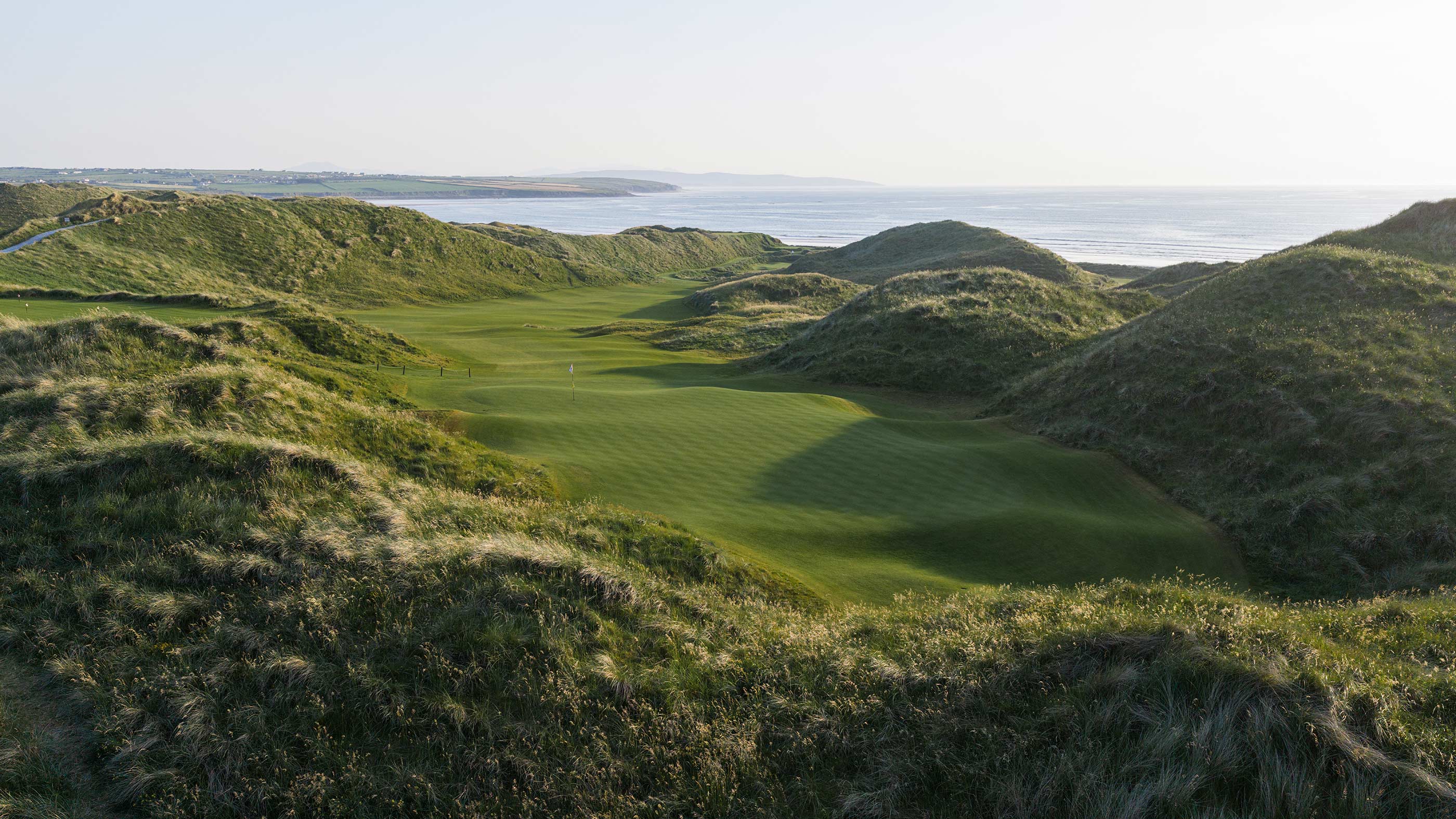
It’s not specific golf holes, the quality of turf, or the beauty of the site that makes Ballybunion so great. It’s the culmination of every aspect that has been slowly molded over a century, creating the iconic Irish links we play today.
Ballybunion Golf Club (Old Course)
It’s not specific golf holes, the quality of turf, or the beauty of the site that makes Ballybunion so great. It’s the culmination of every aspect that has been slowly molded over a century, creating the iconic Irish links we play today.
Hole 1
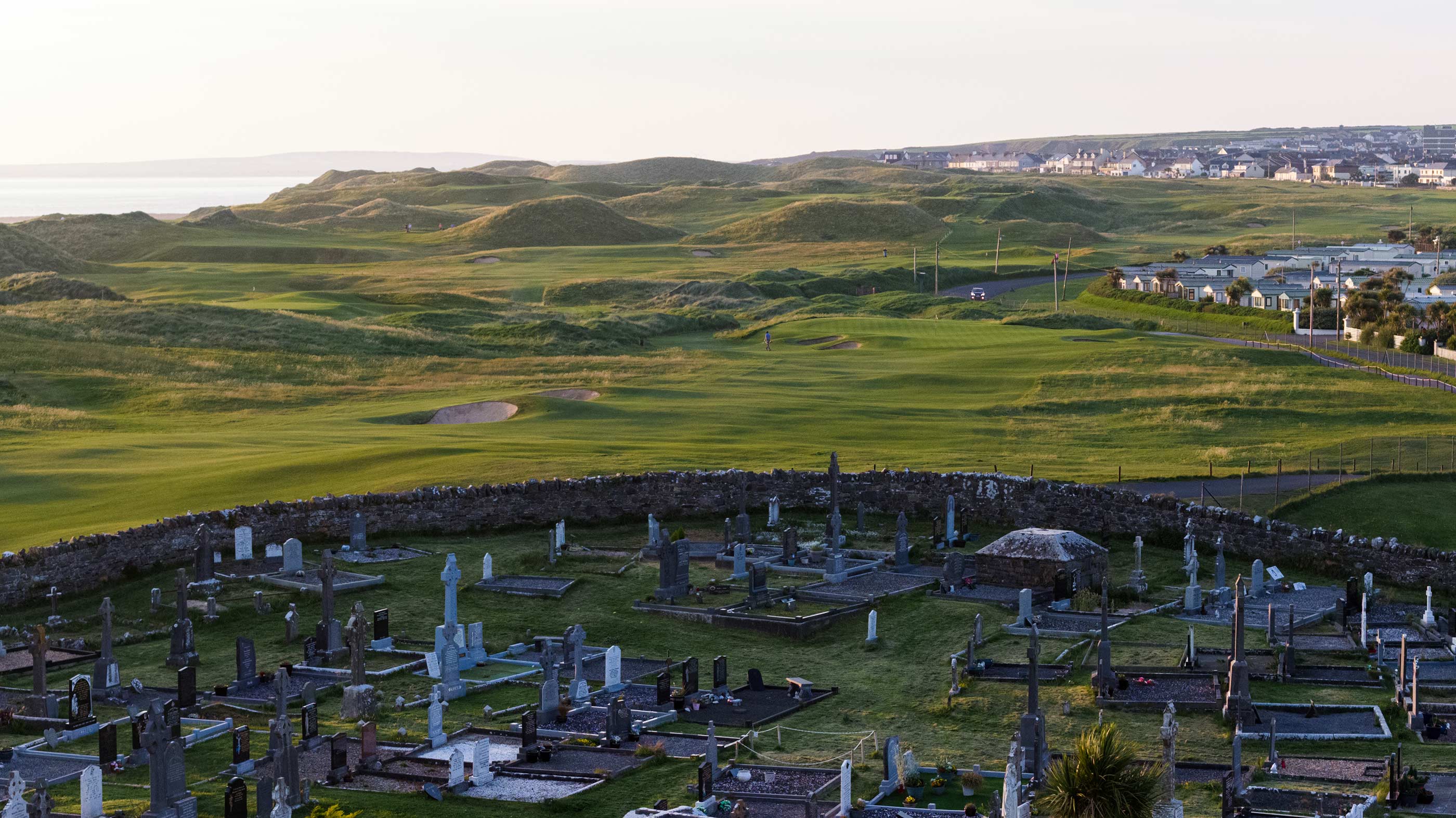
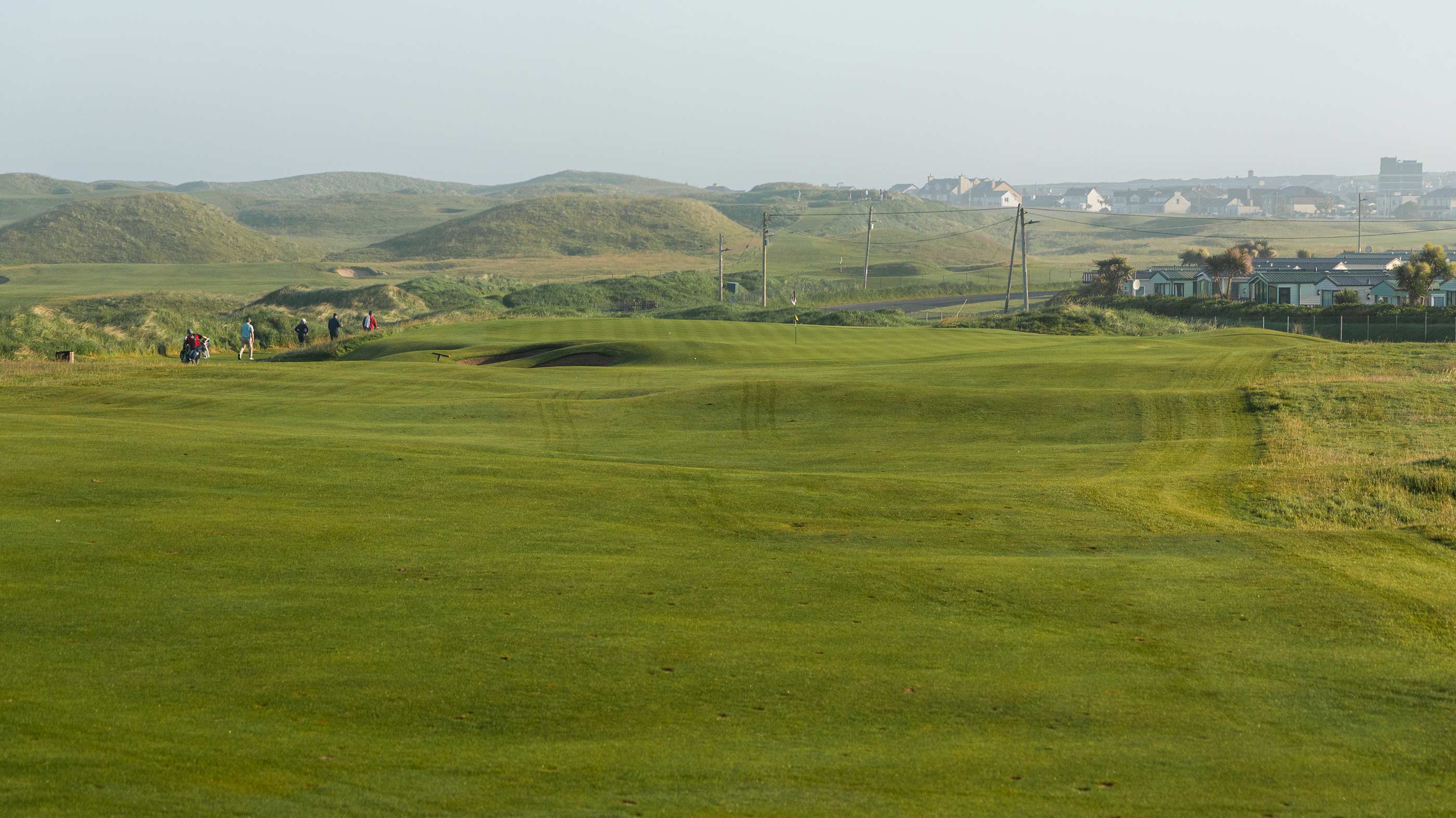
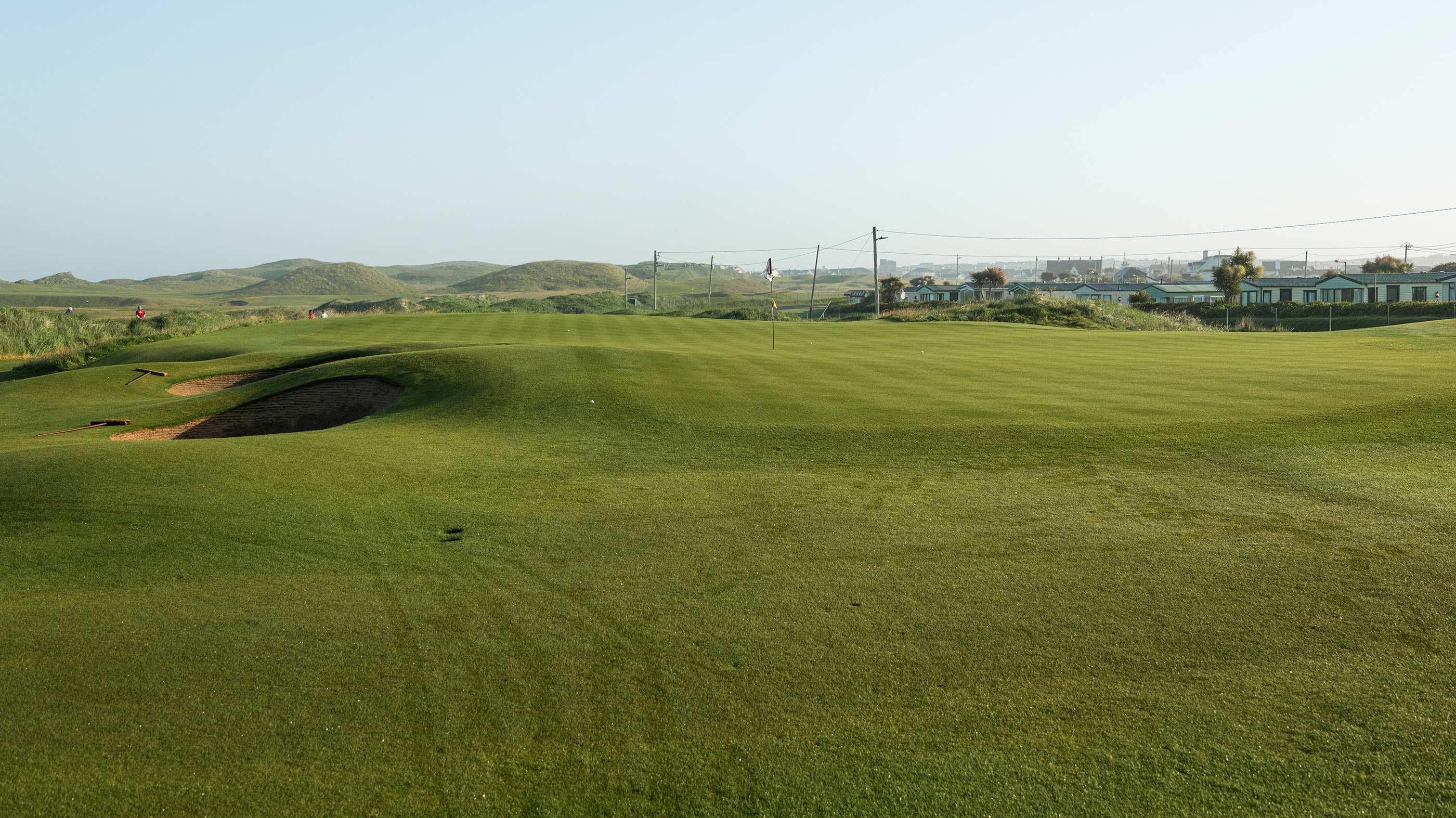
The pair of bunkers down the left, added by Tom Simpson, gives the hole its strategy. A welcoming opener.


Hole 2
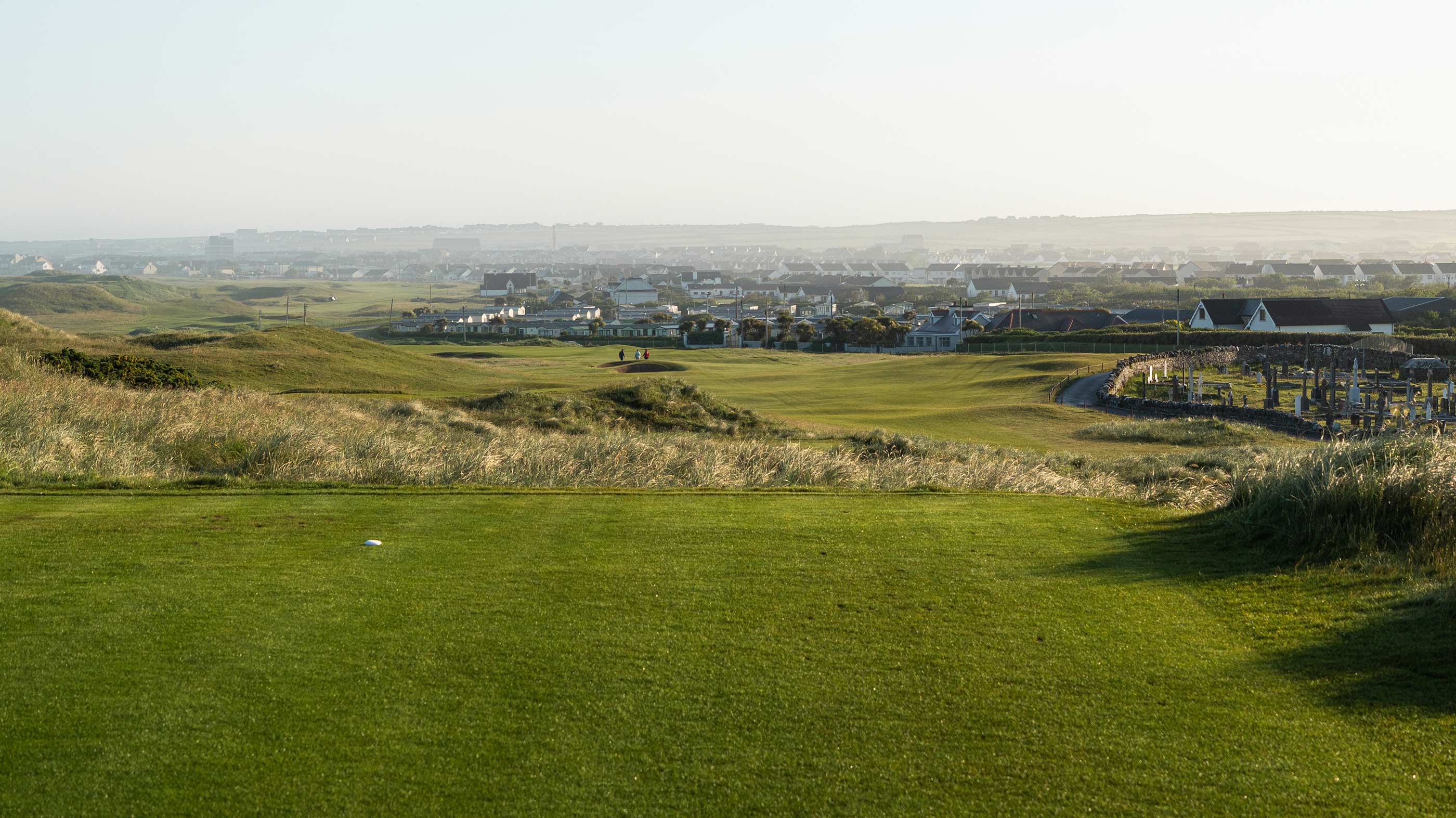
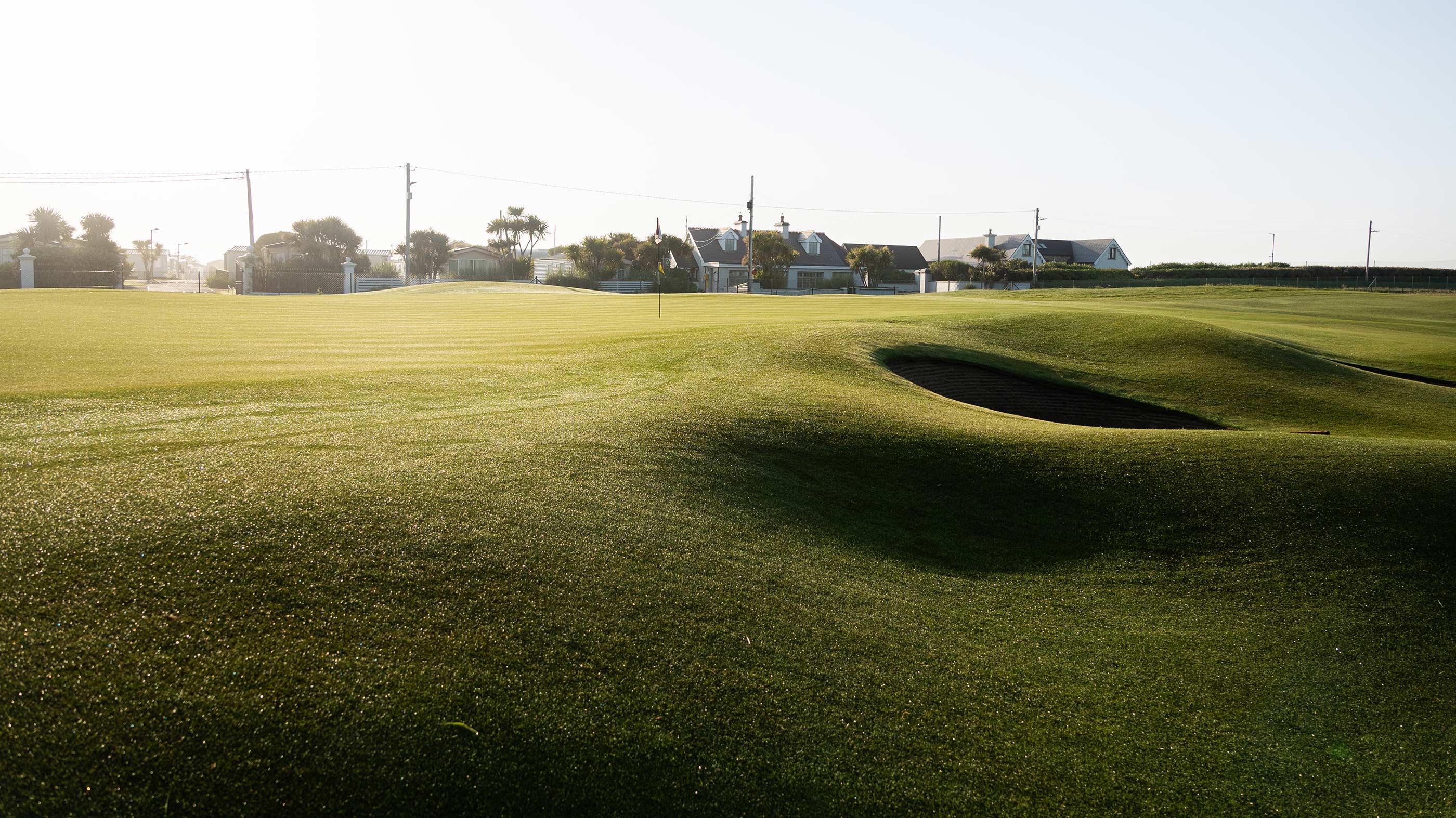
Buckle up. Great drives will crest a rise and give you a flat lie to the severely elevated green. Mediocre ones will likely have an uphill lie playing into a hurting breeze off the left. Anything short of the flag will be rejected.




Hole 3
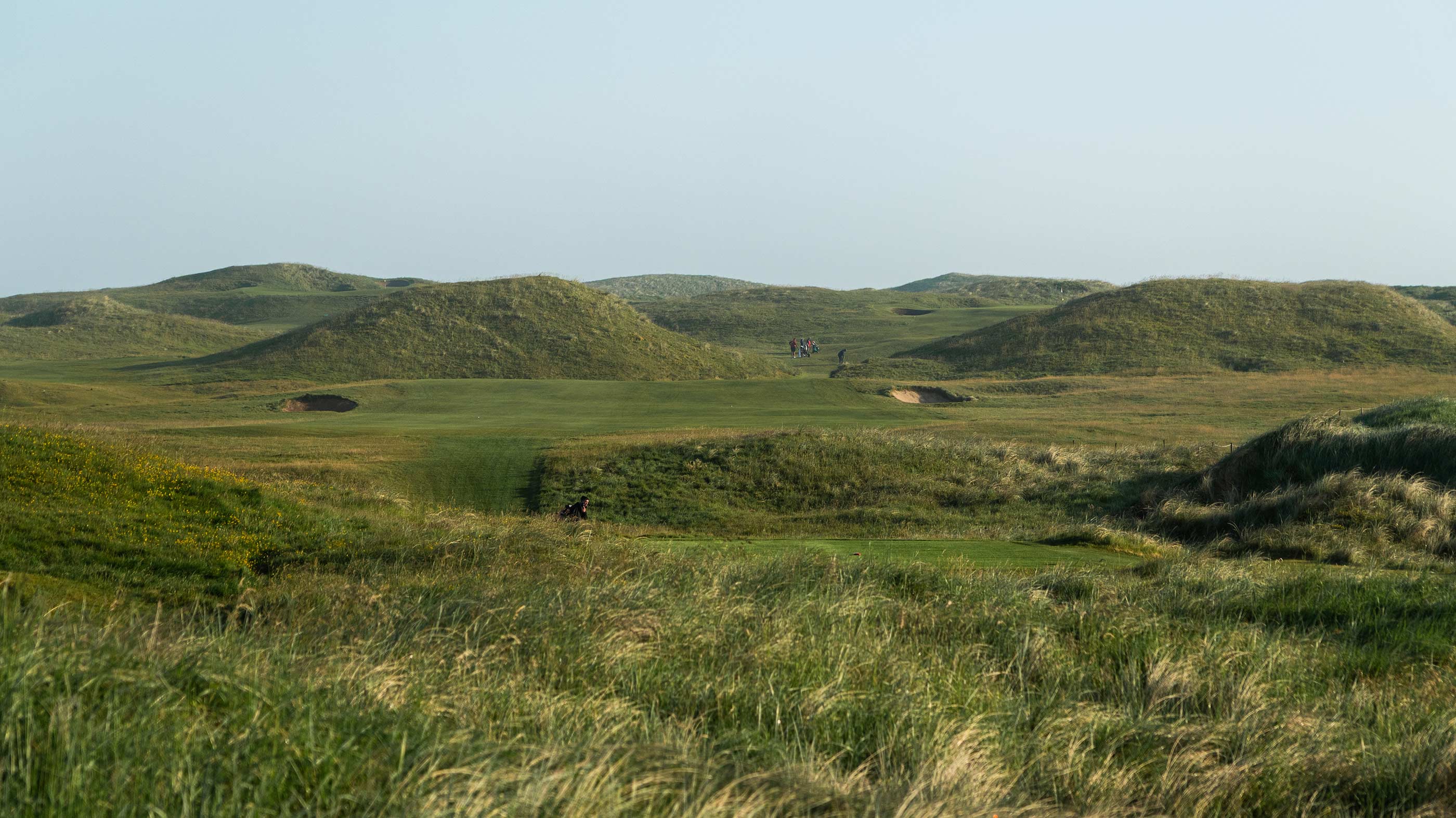
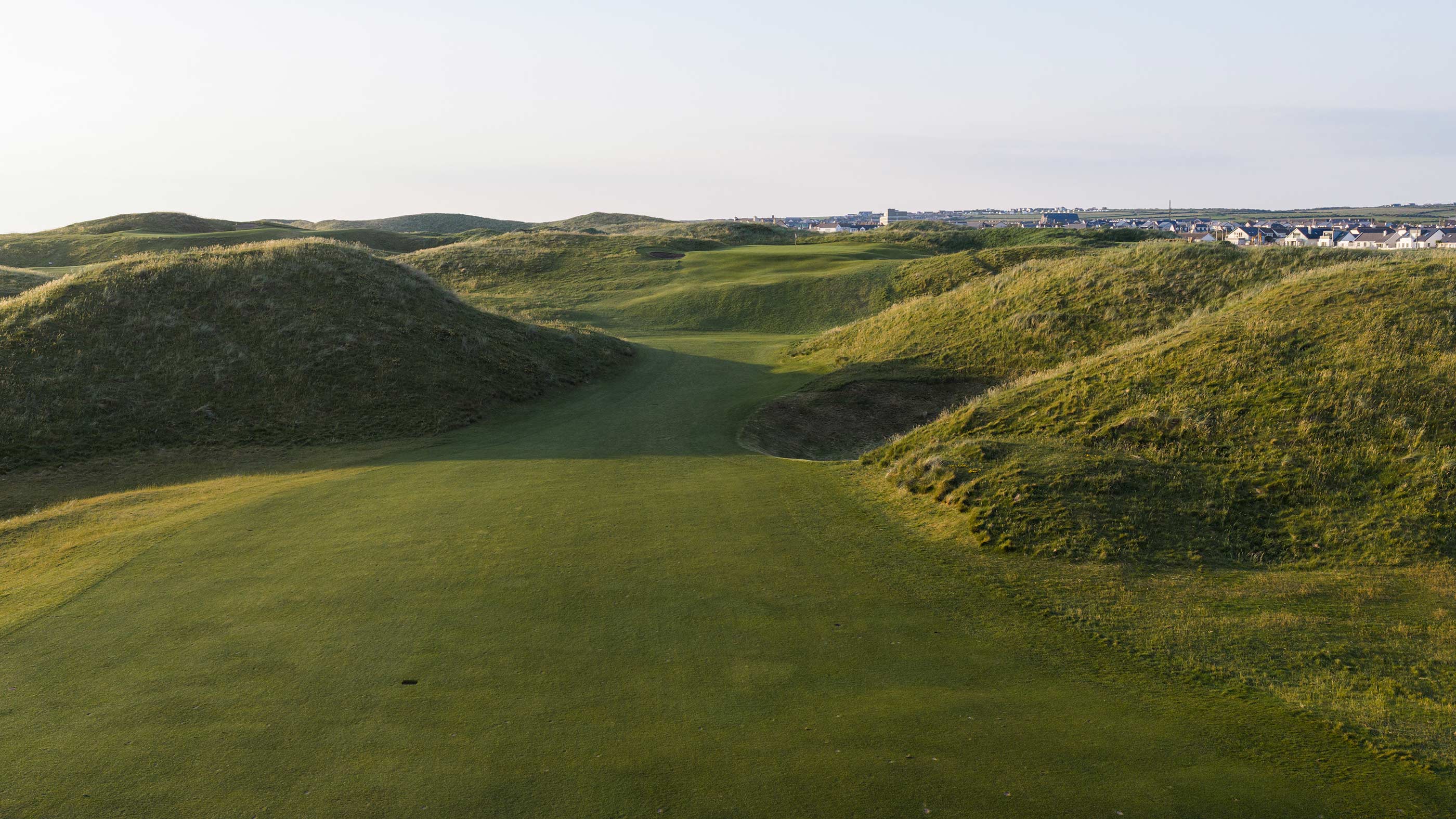
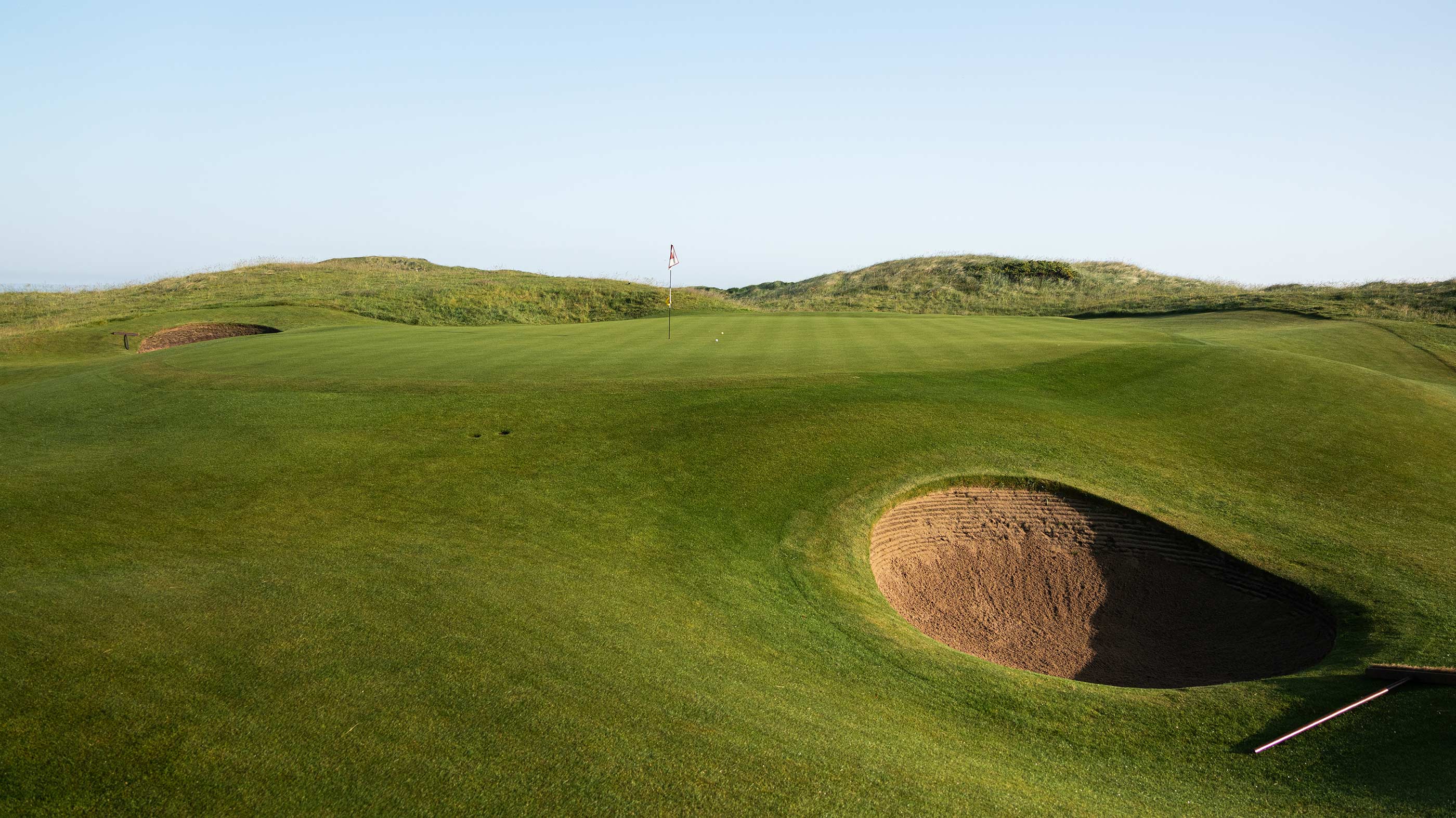
This first turn in the routing makes the third downhill and downwind most days. Picking the right landing area short of the green is paramount to finding the surface. Long is no fun.
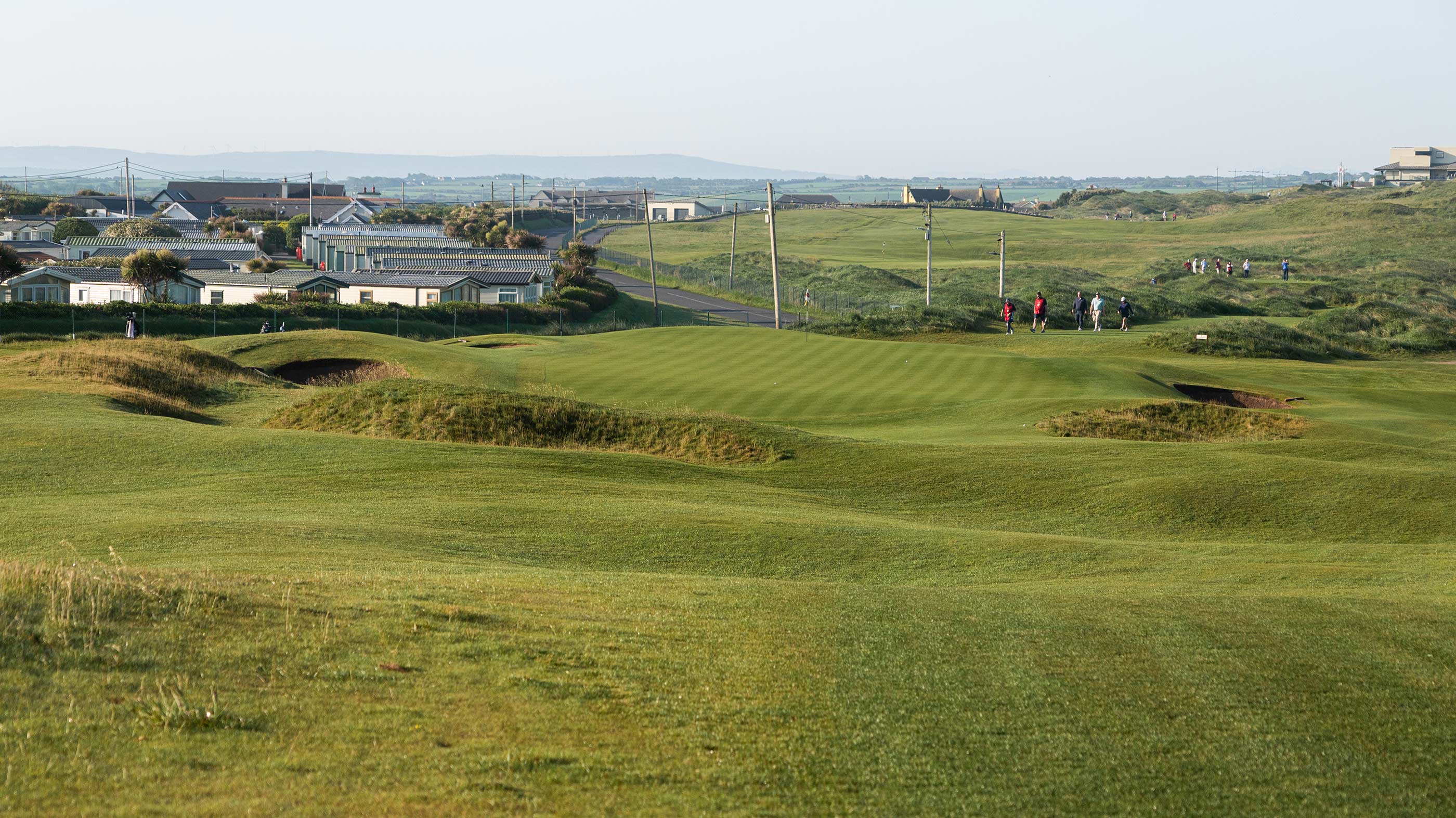

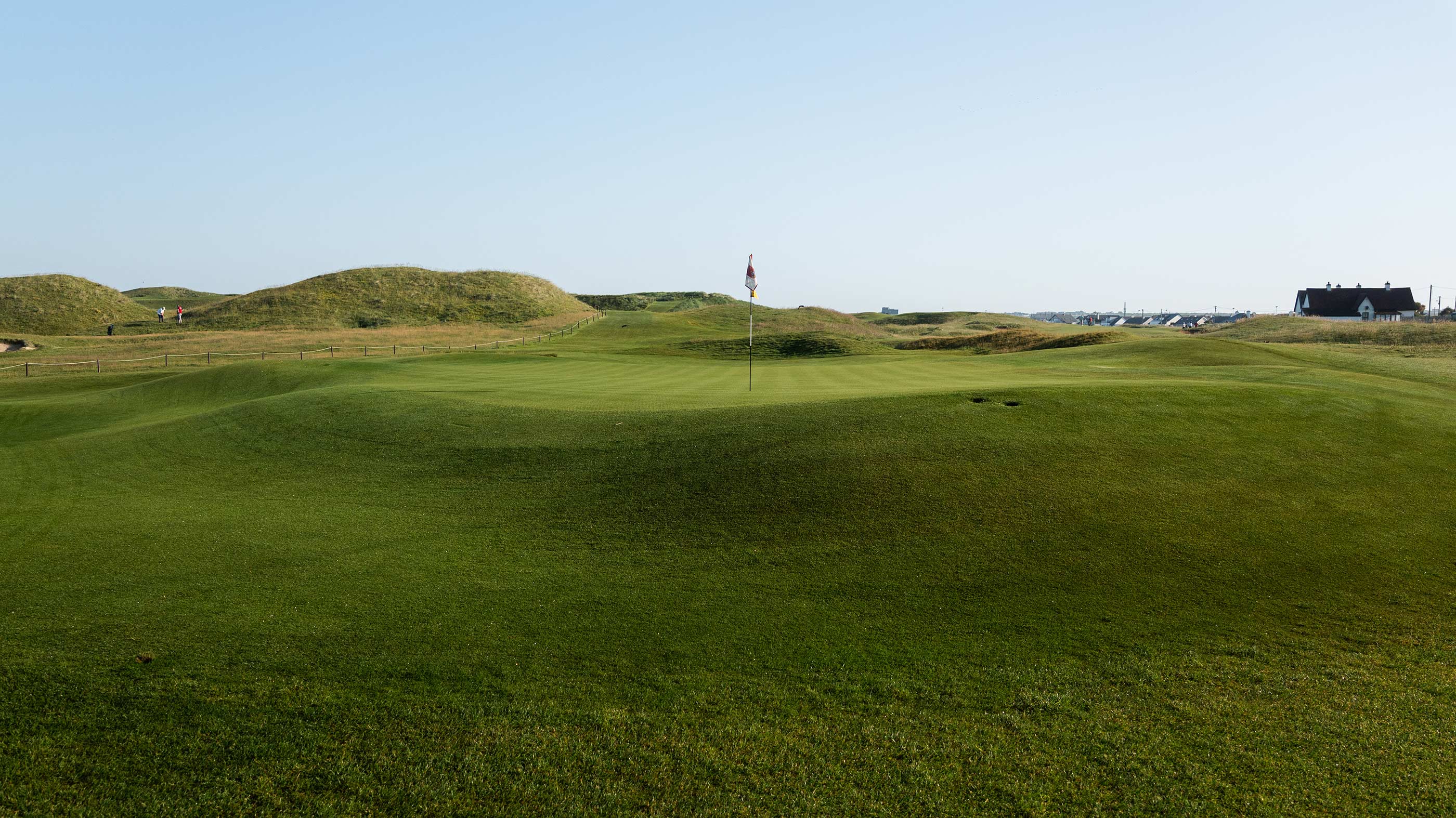

Hole 4
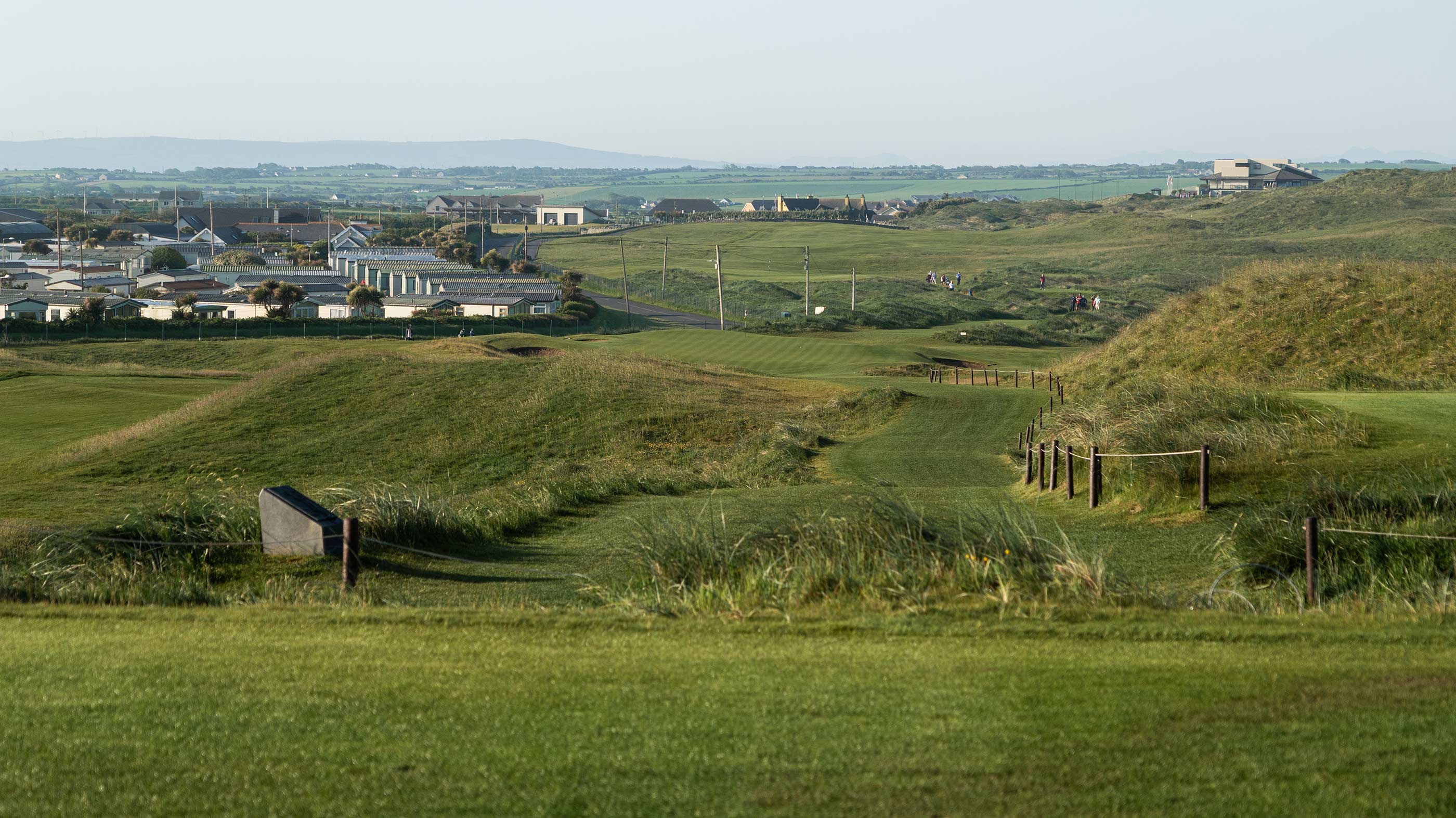
Avoid the bunkers and Sandhill Cottage off the tee and this is a scoring hole. The wavy green is benched into a small dune and best approached from the right.
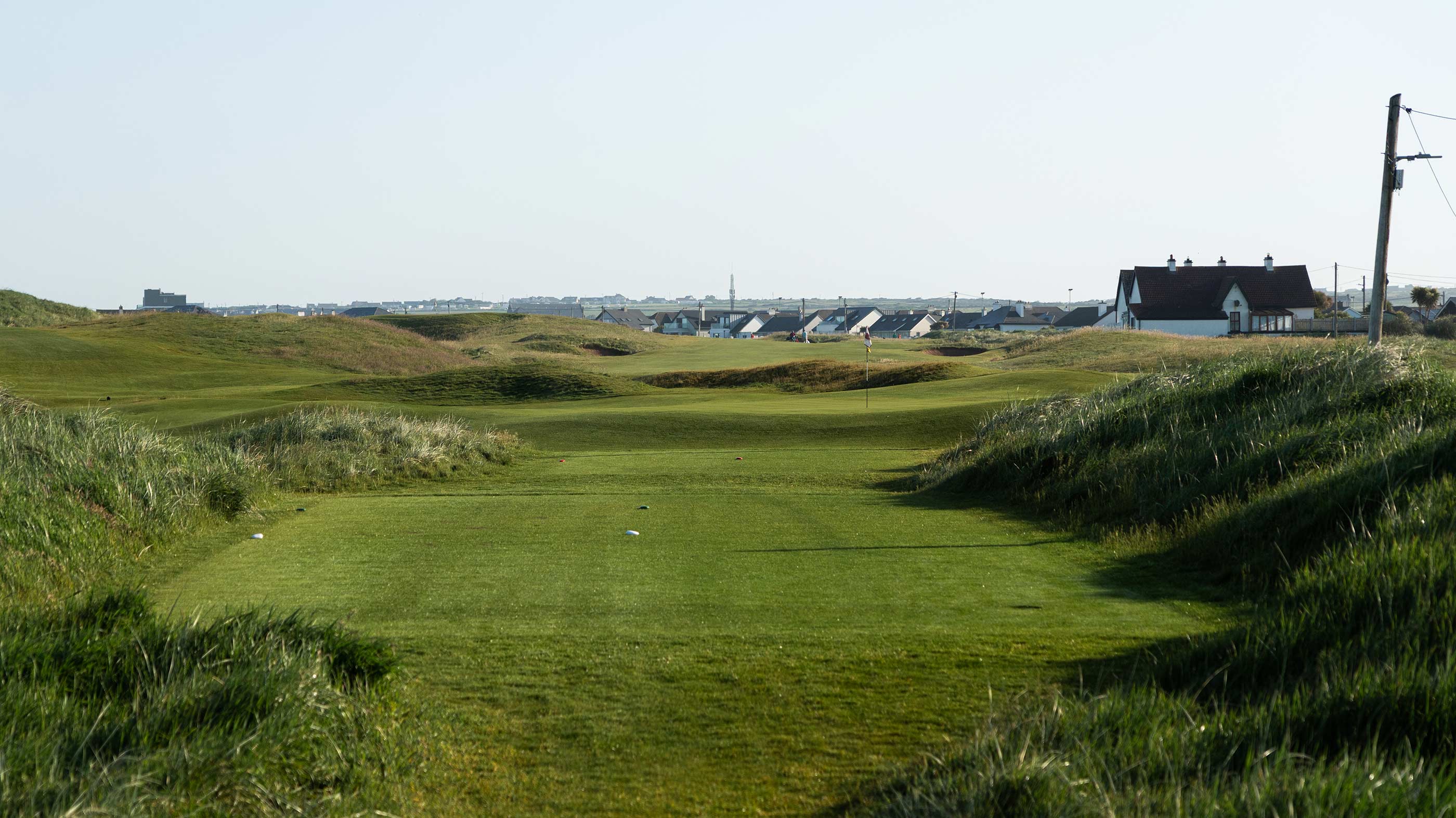


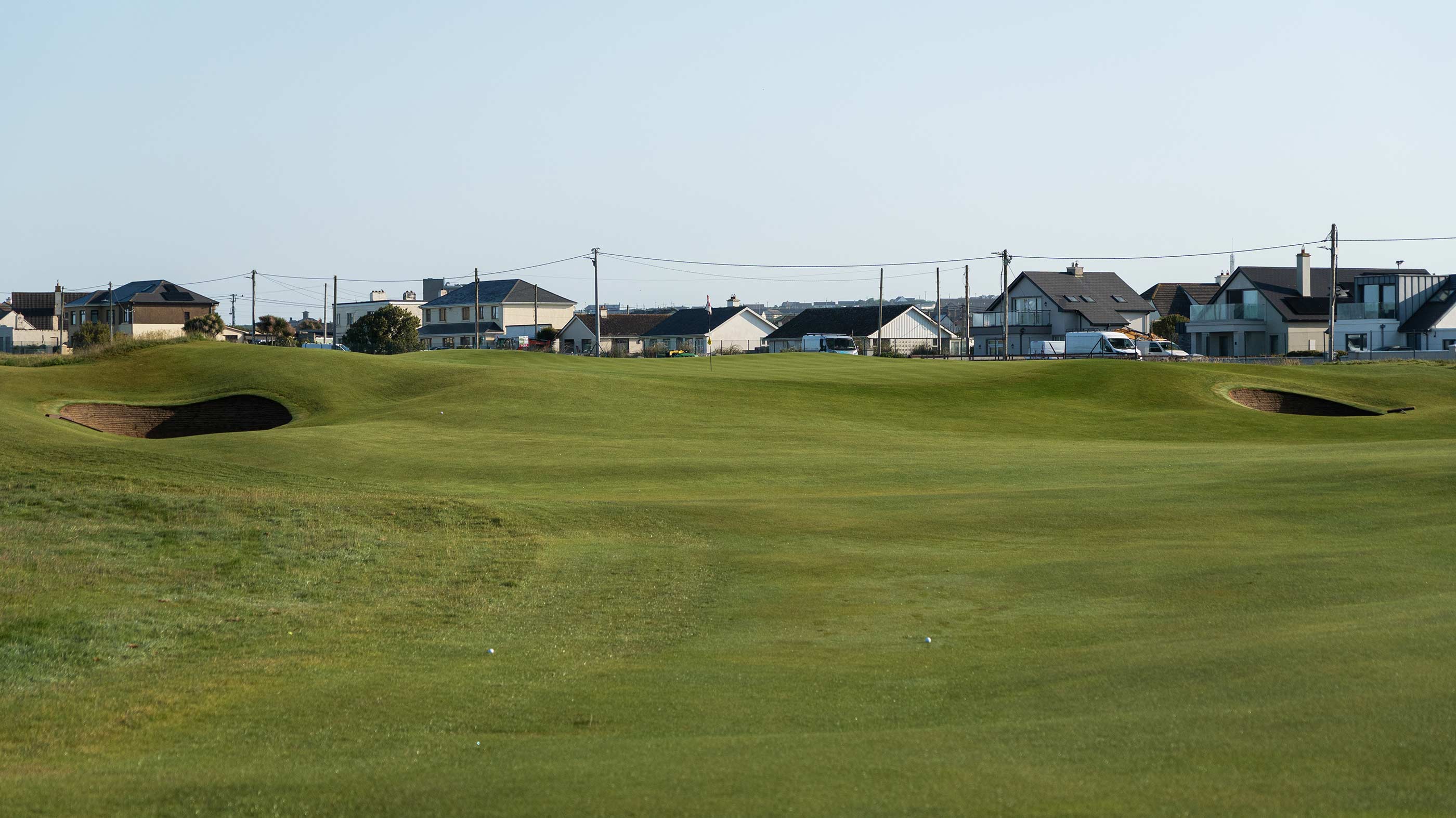


Hole 5
Turning into the wind and towards the water, this is a brute. The putting surface is the most complex on the course, with tiny, 4- to 12-inch spines, hollows, and pockets that make it equally difficult and charming.


Hole 6
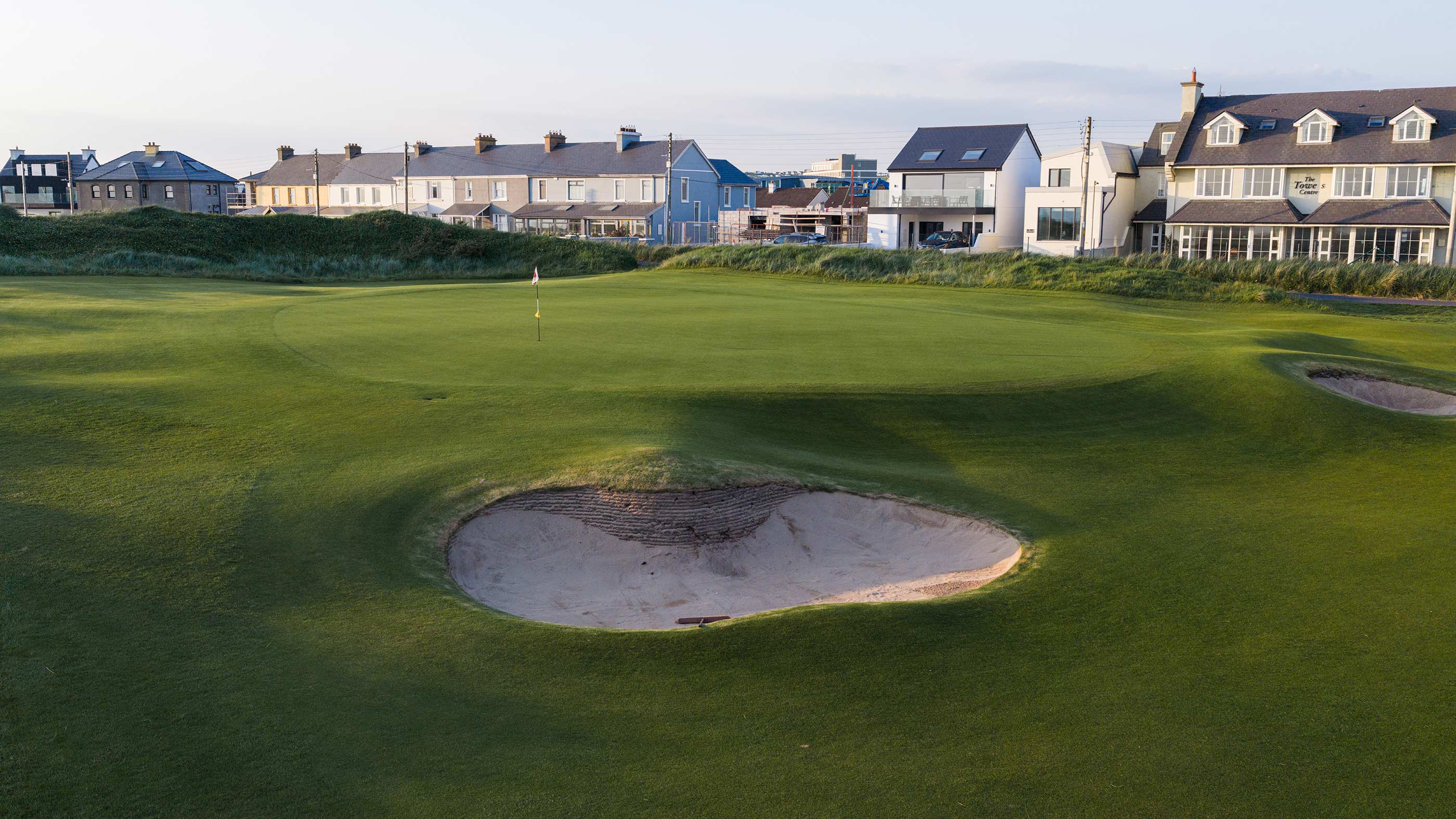
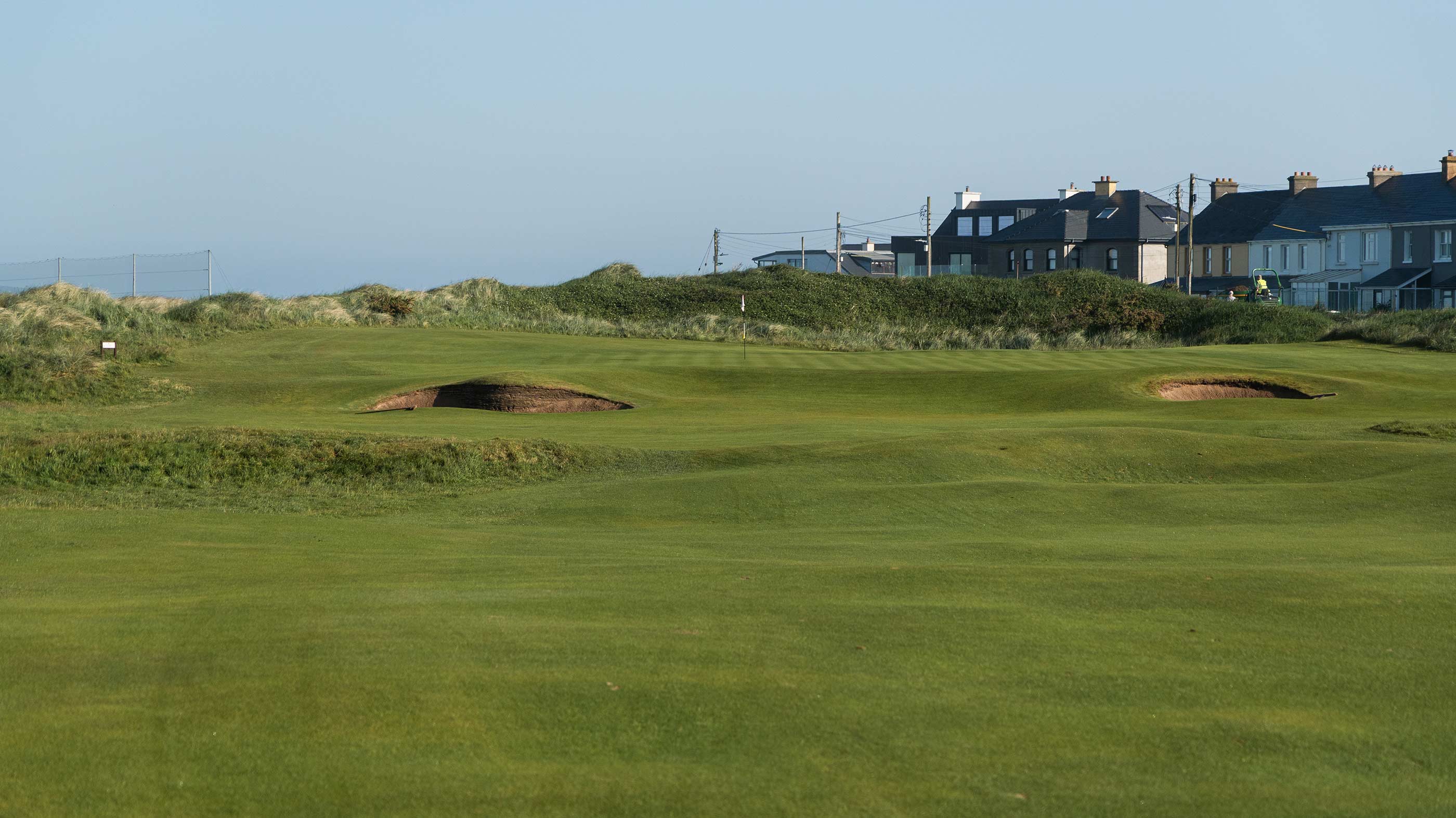
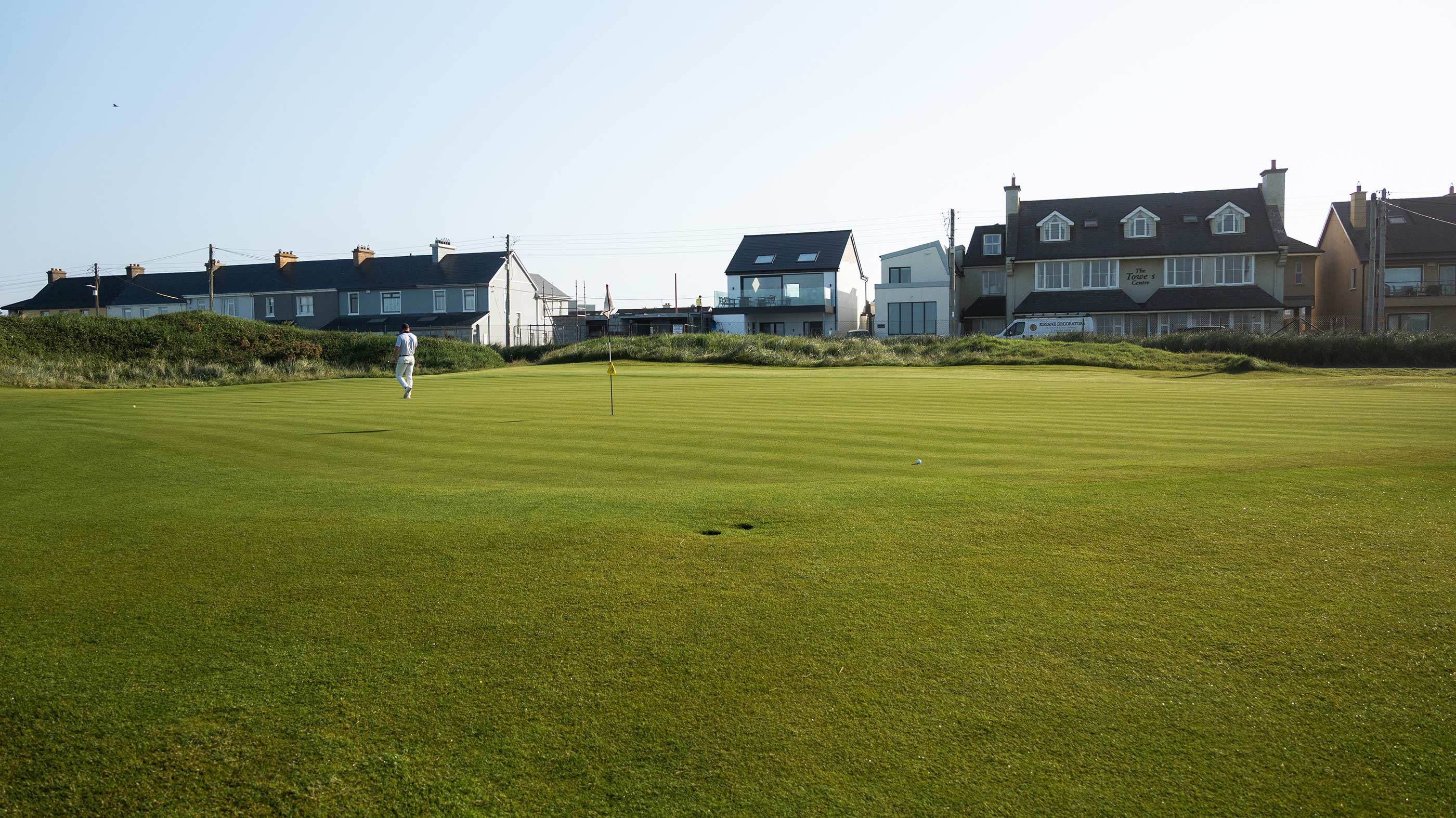
Playing to the outside of the dogleg and towards OB affords the best angle to this treacherous greensite. The domed green falls in all directions and its exposed location along the coast makes this the toughest green to hit at Ballybunion.


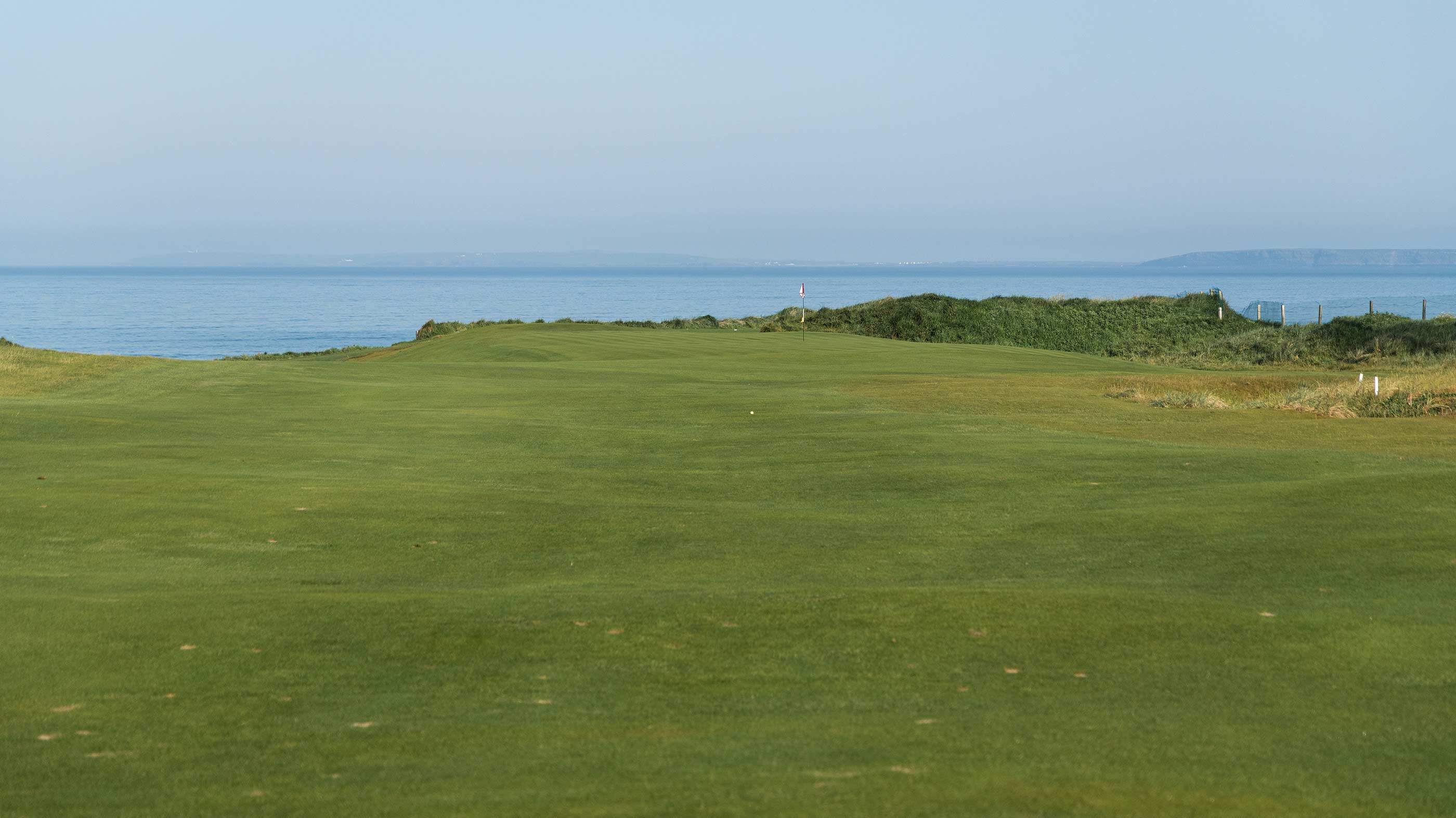


Hole 7
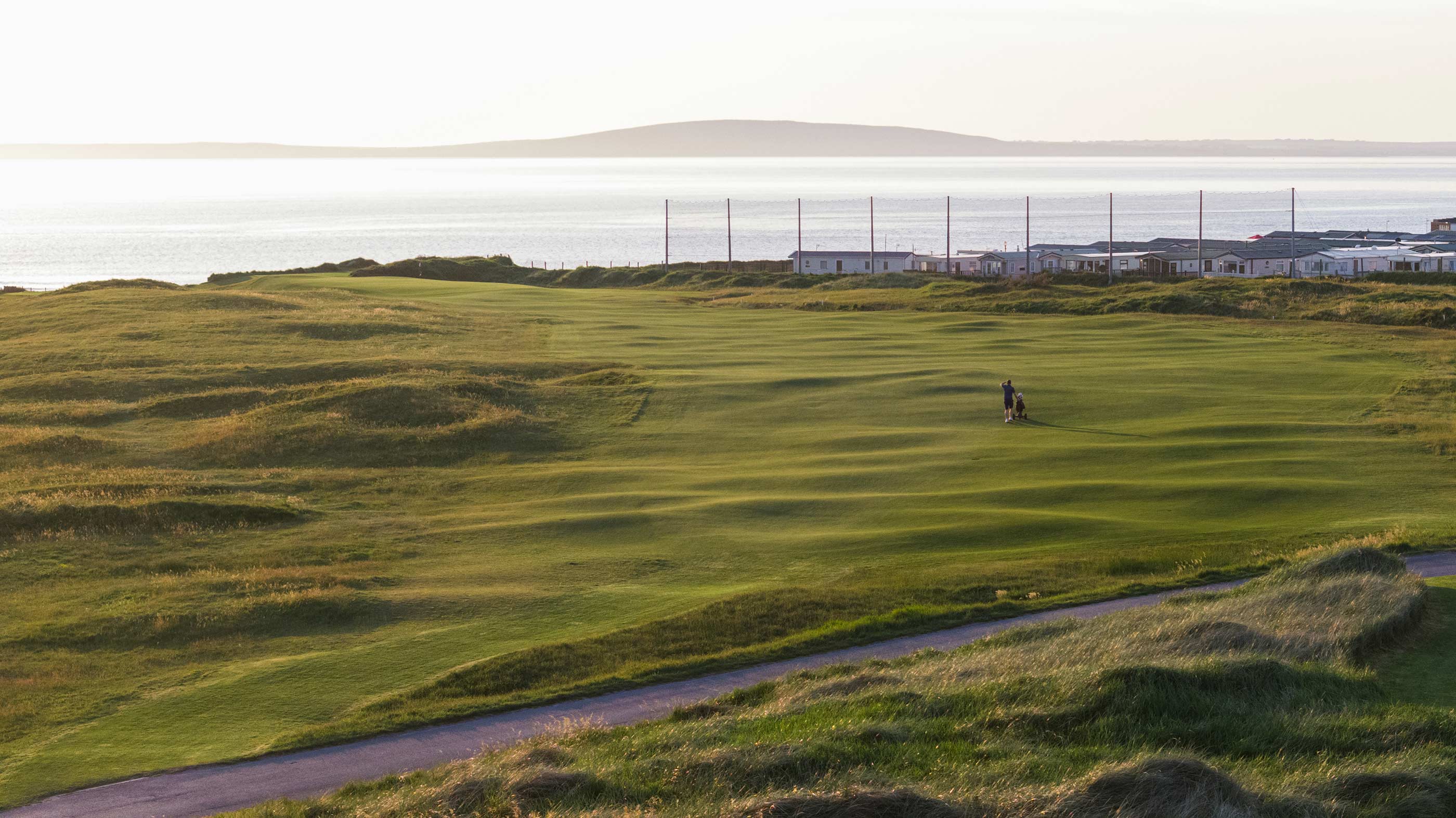
All of Ballybunion and its beauty lies ahead of you when standing on the seventh tee. Take it all in. Hugging the ocean will give you a clean look at the green, while the left side will likely obscure your sightline.
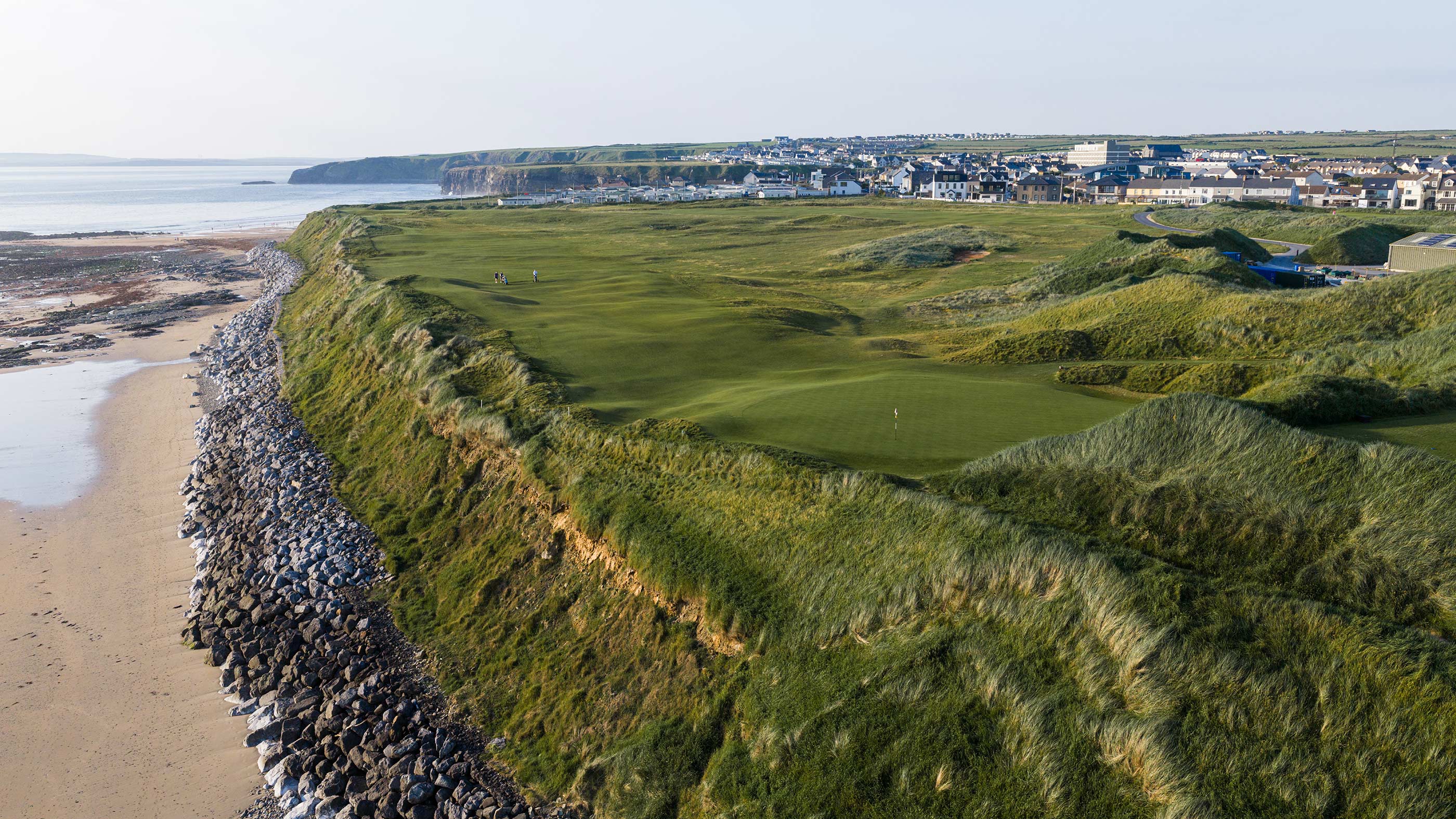
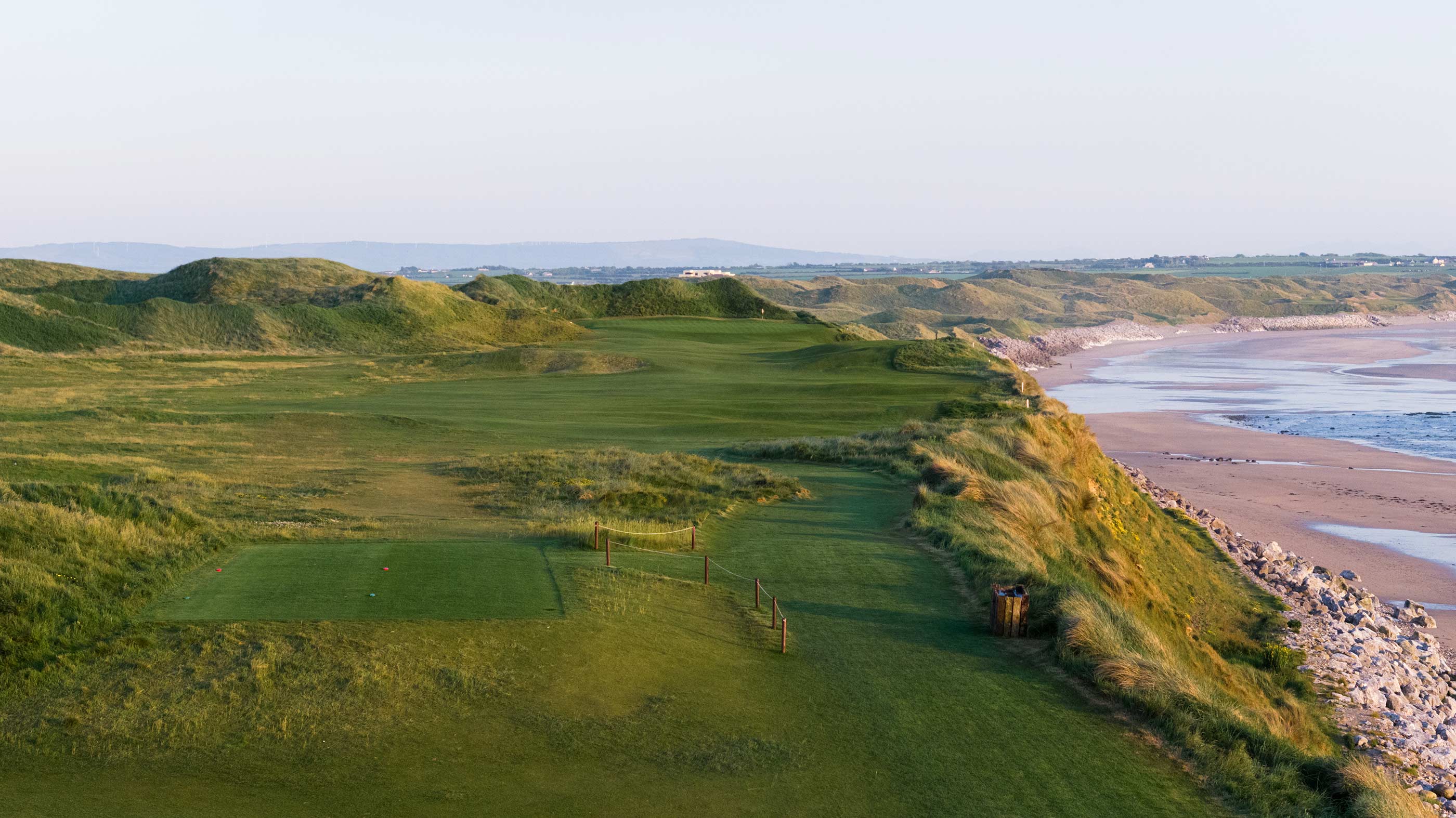
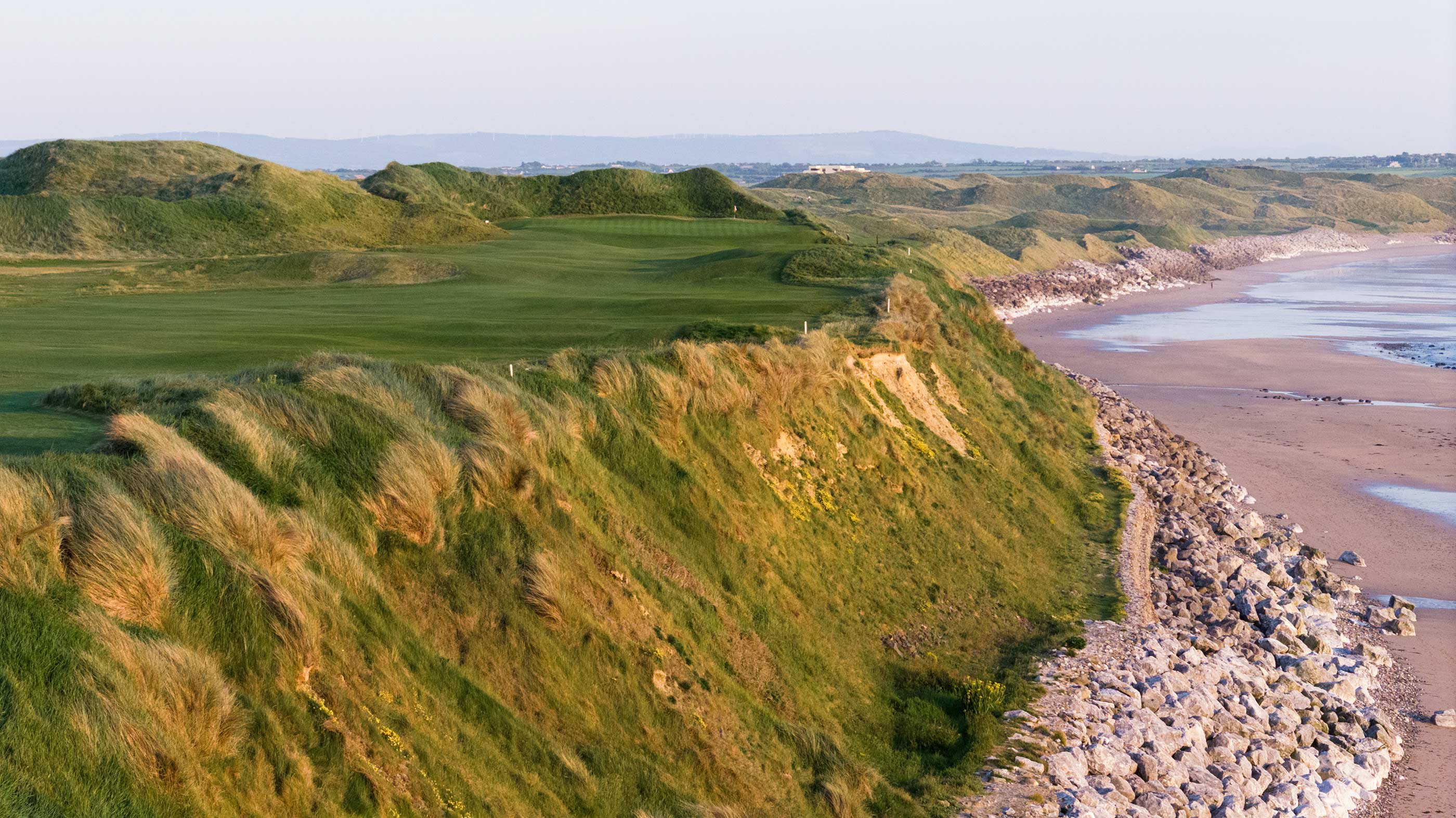

Hole 8
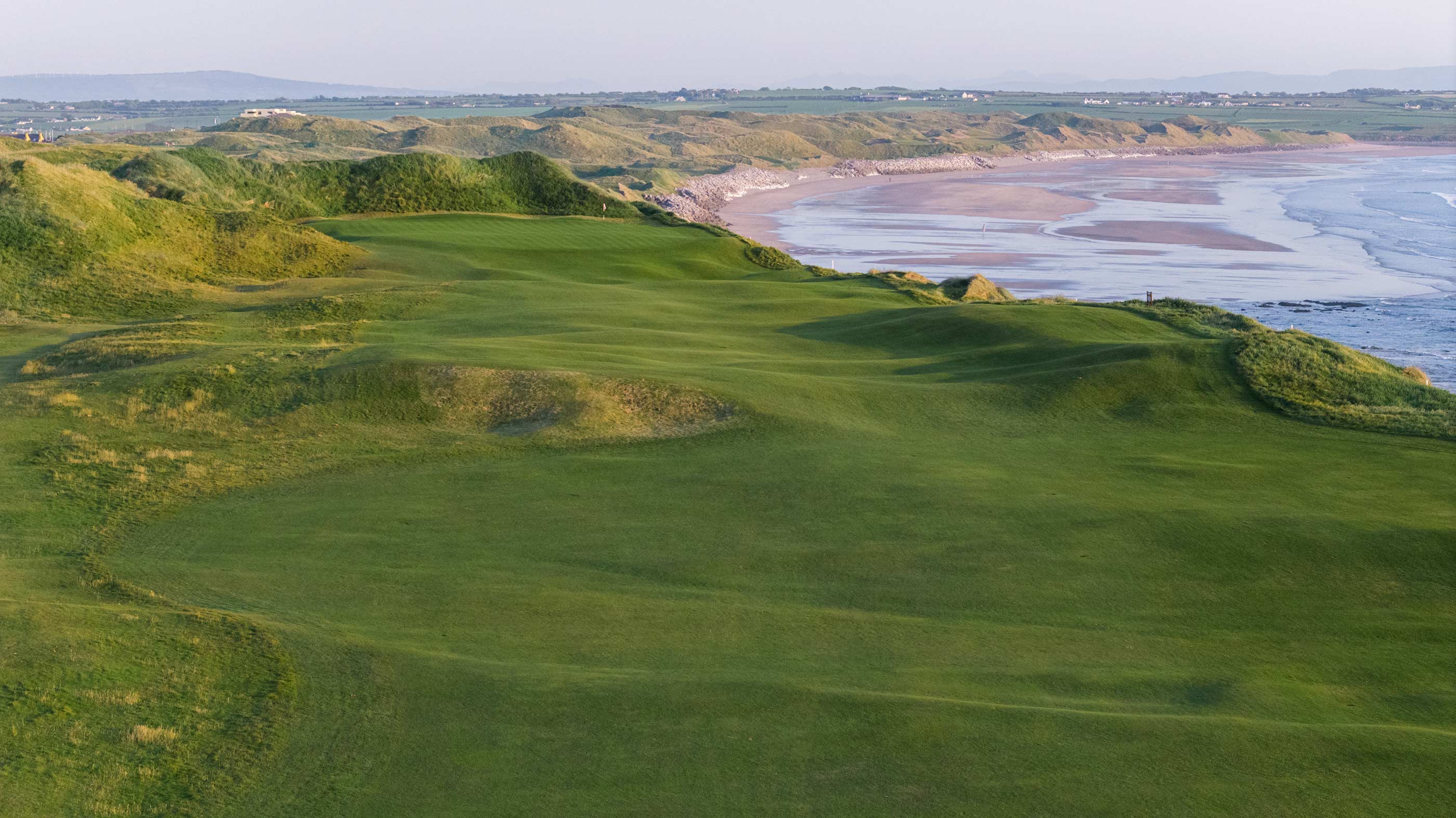
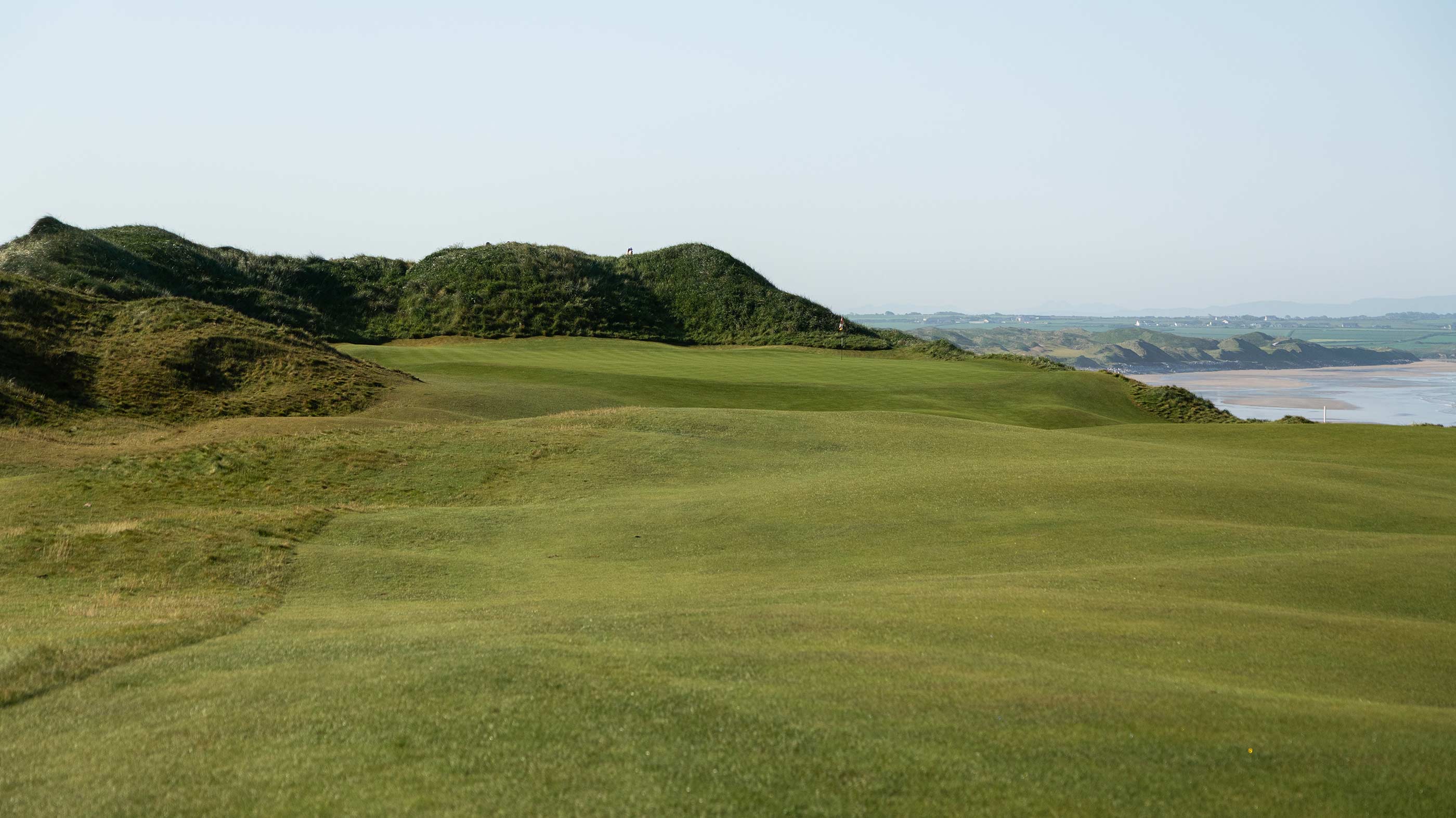
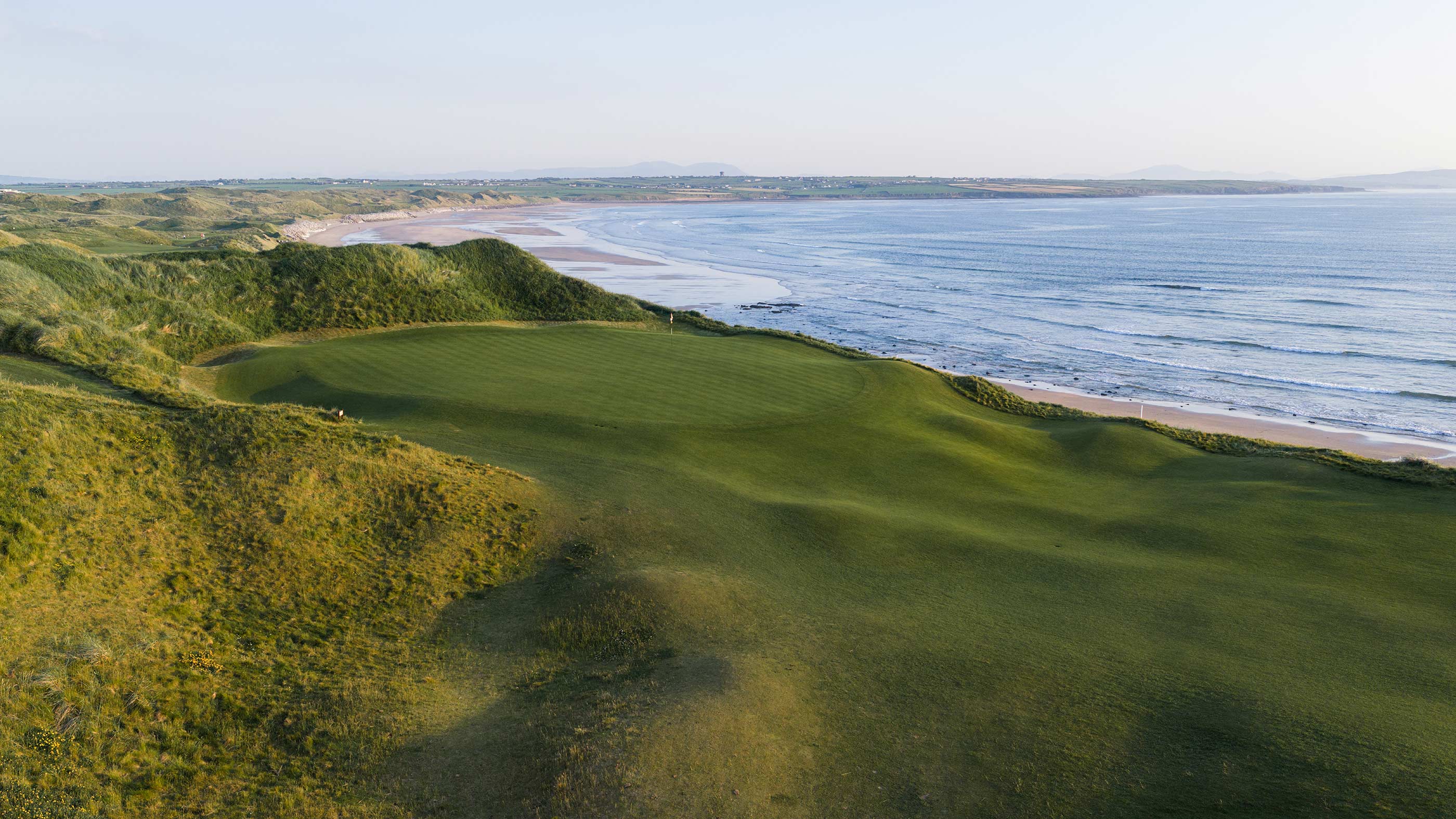
An exacting par 3 with its rollicking humps and hollows. The deep depression right of the green is hidden from the tee but not to be messed with.
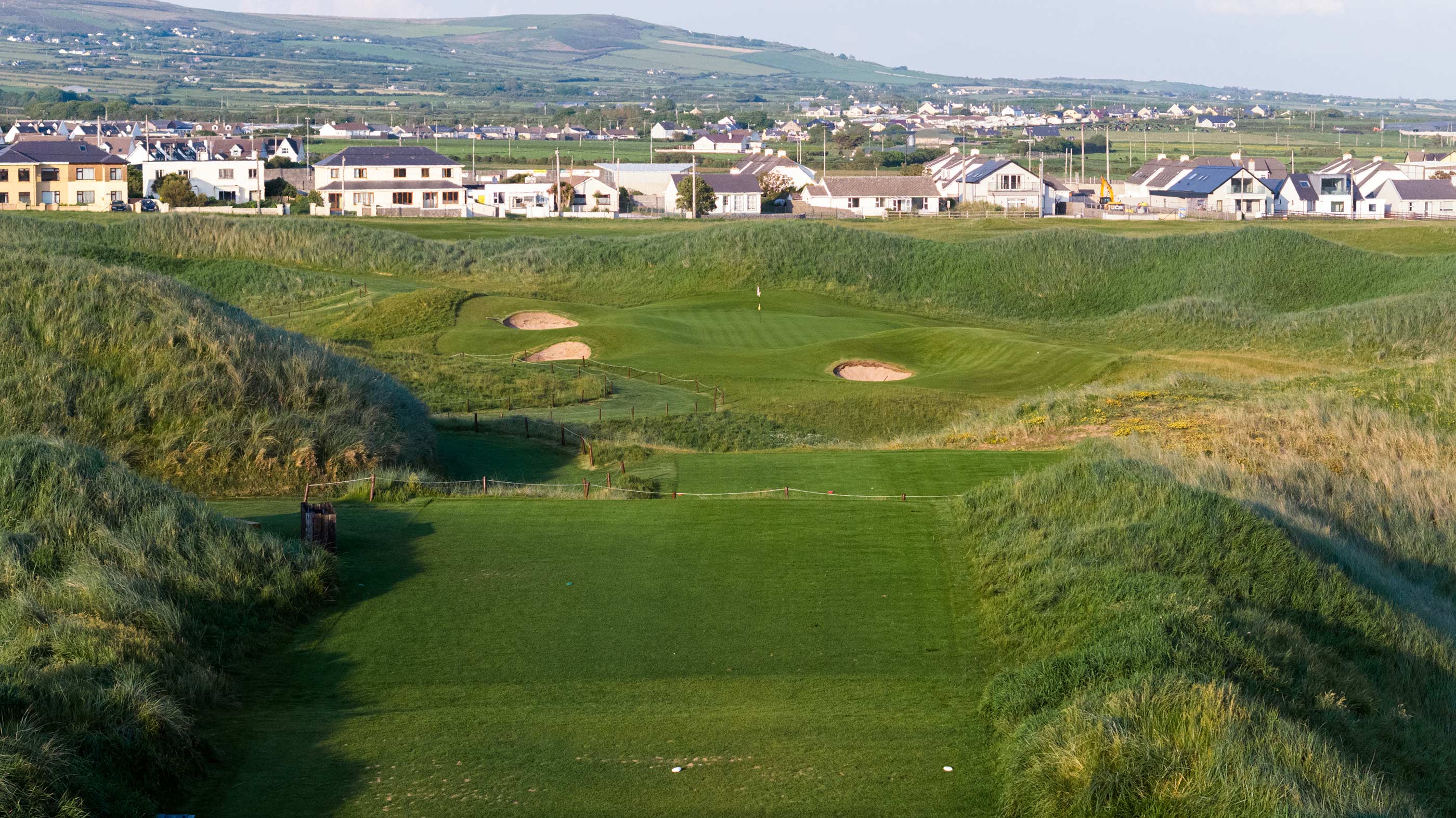
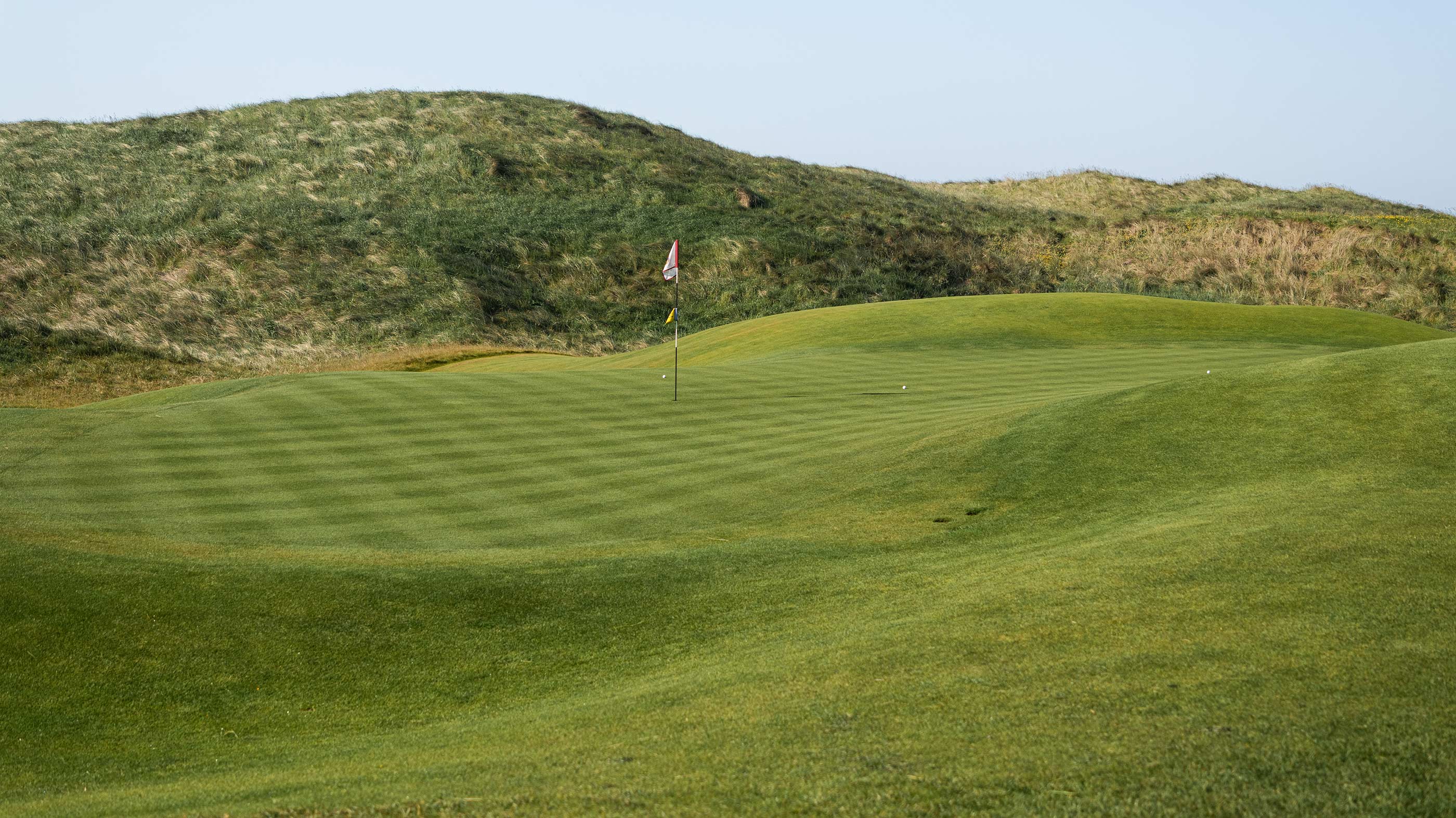
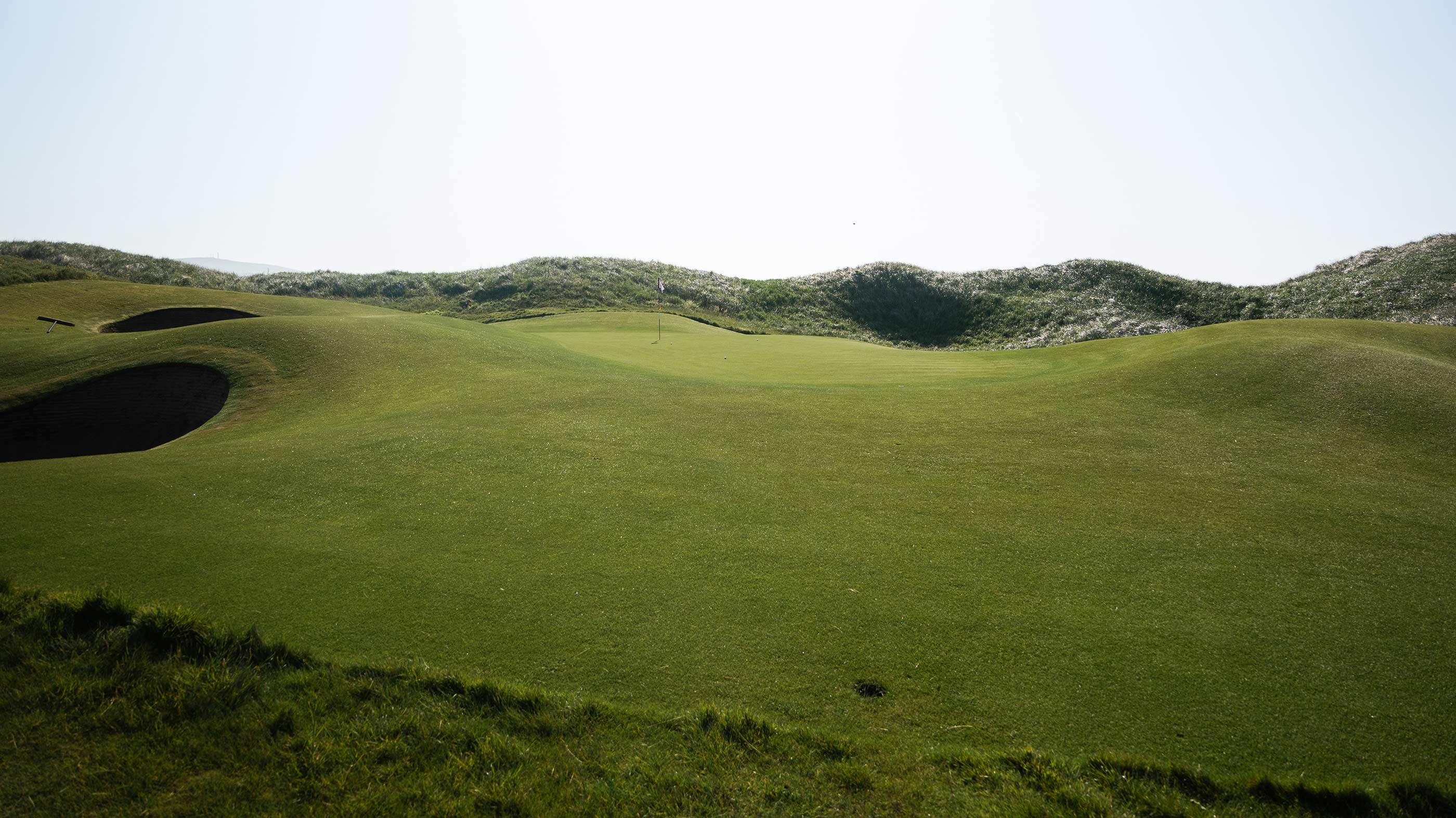

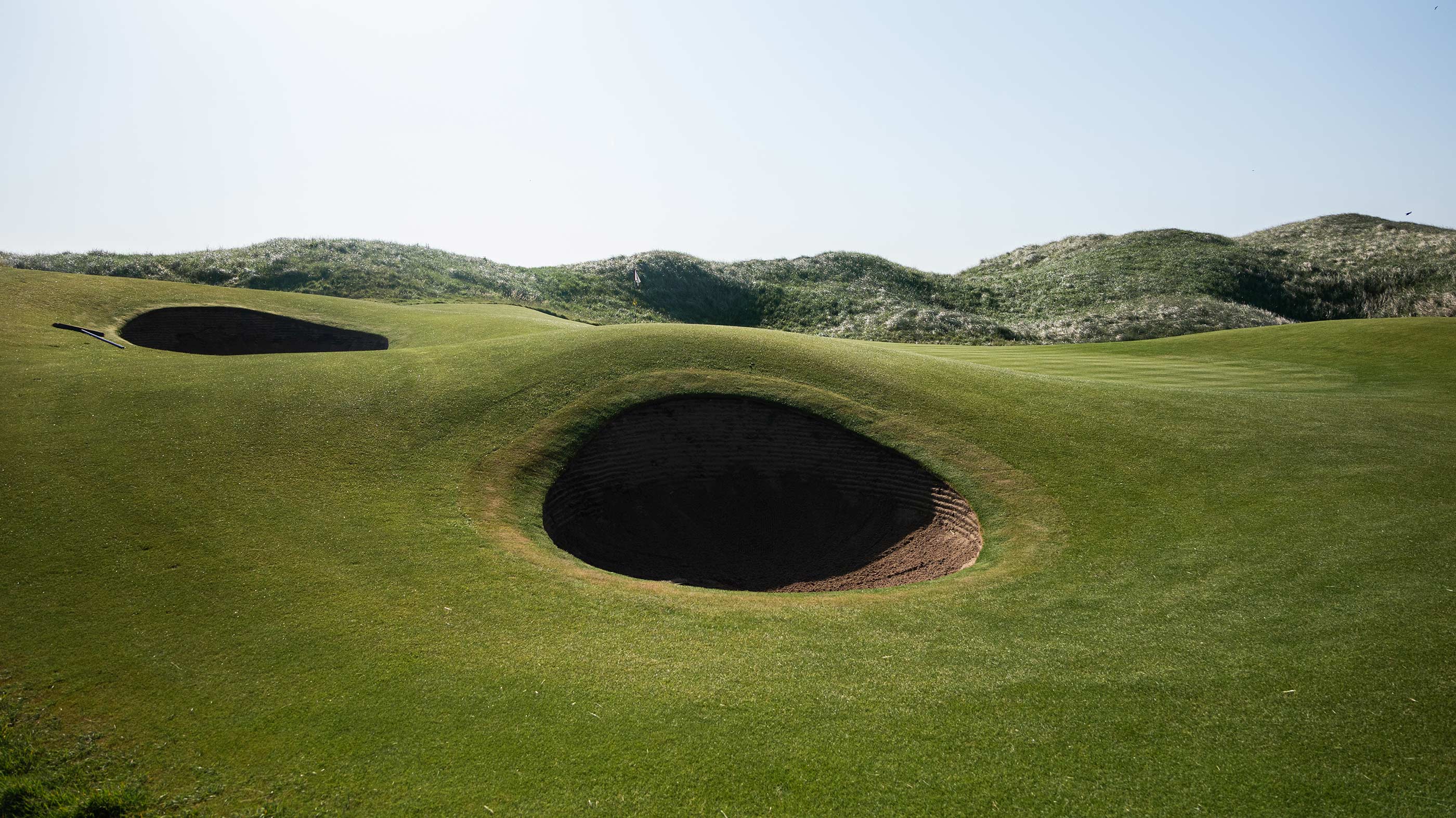
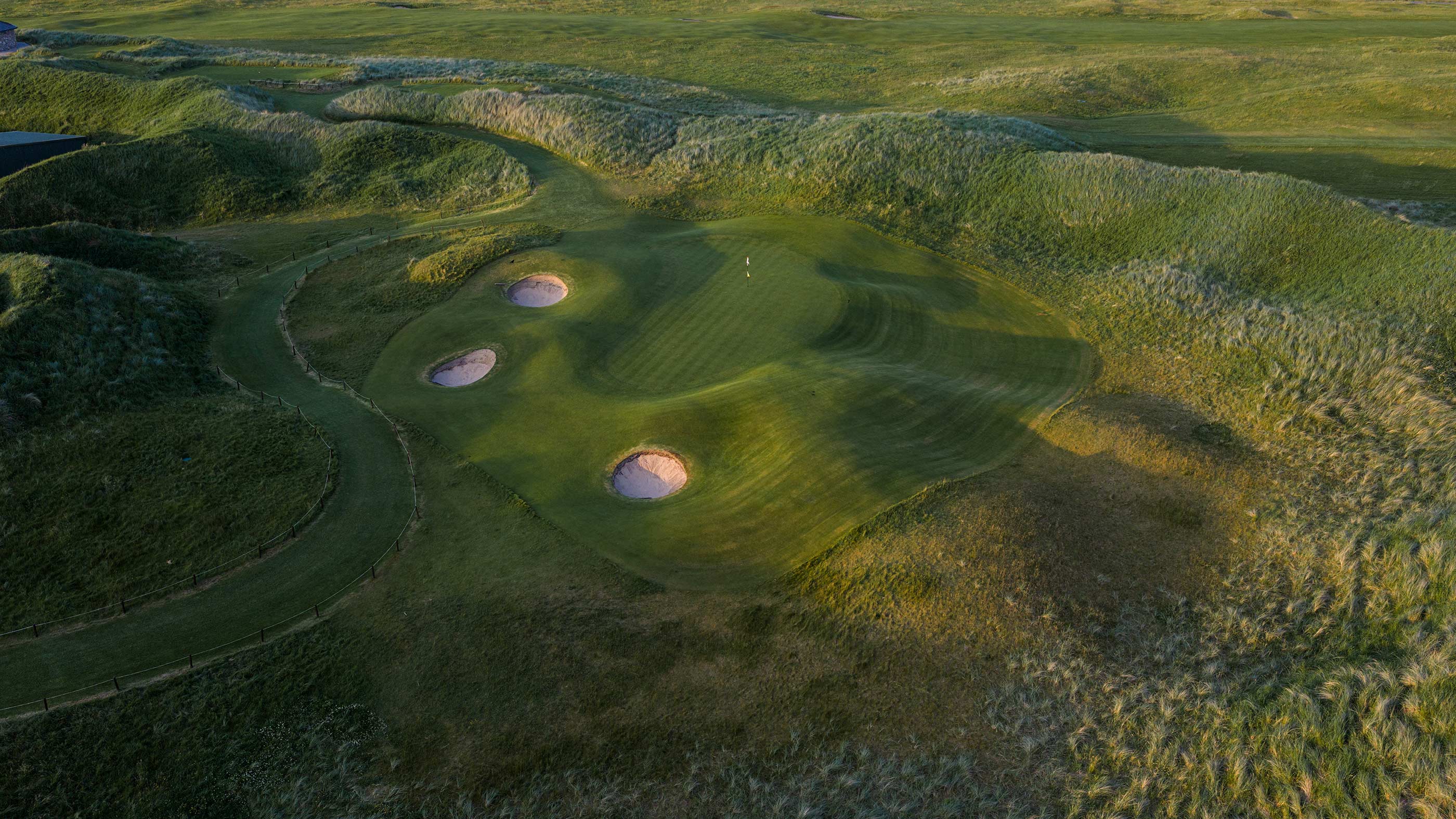
Hole 9
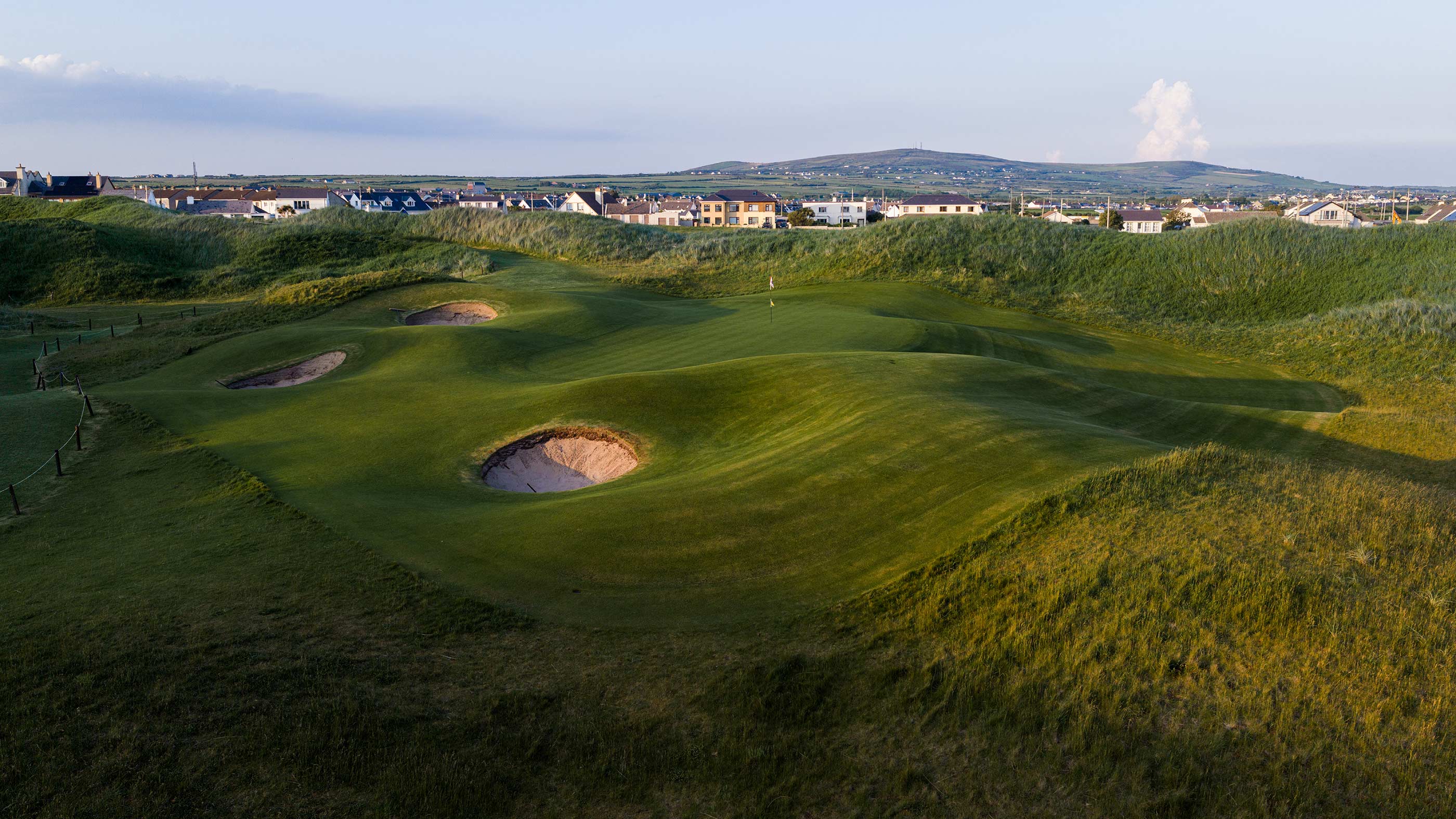
The sublime ninth plays along the edge of the big dunes and over some of the best golfing terrain on the course. The elevated green is deadly, just ask Sergio Garcia about his ping-pong seven that he made in the final round of the 2000 Irish Open.


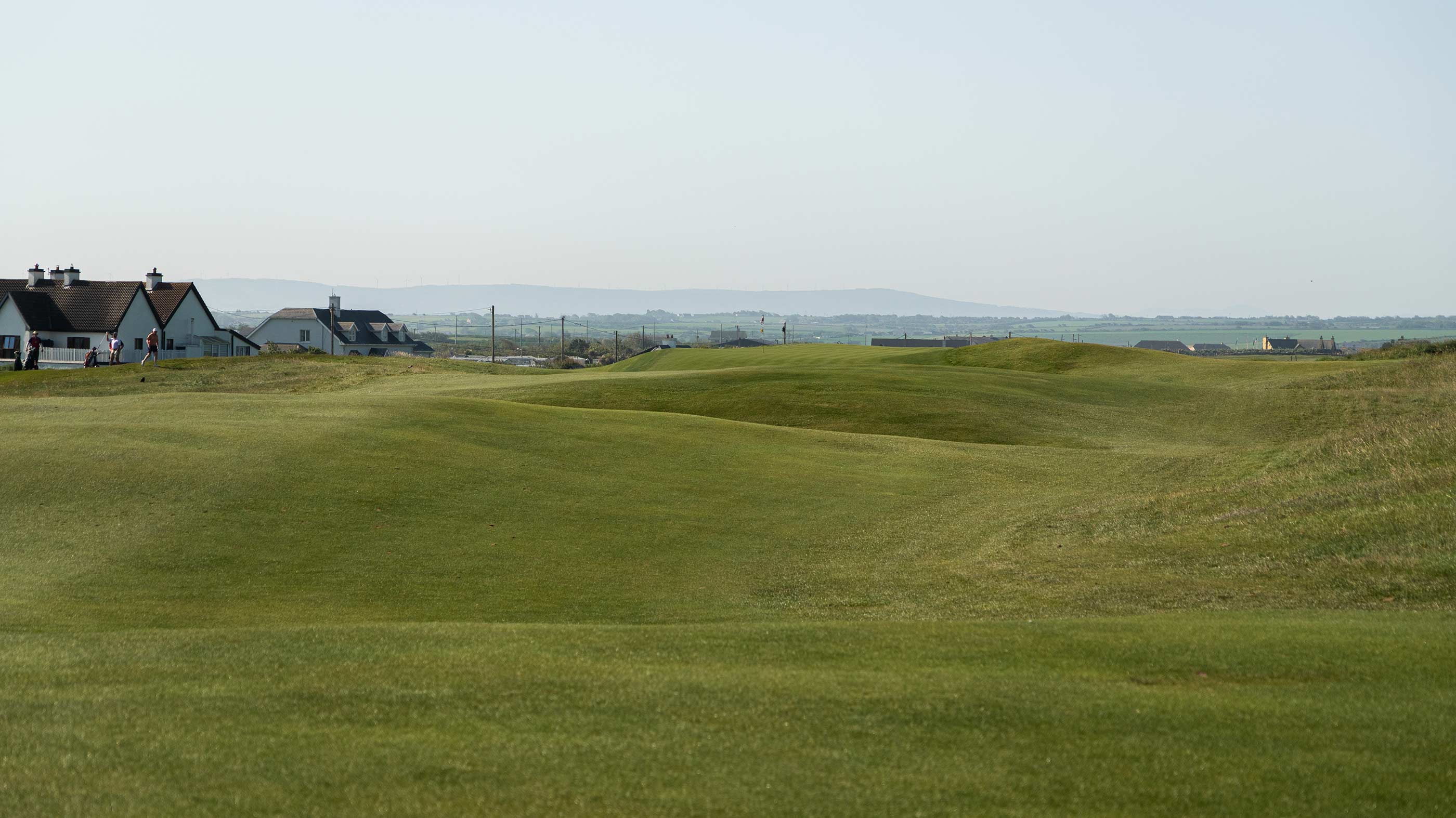
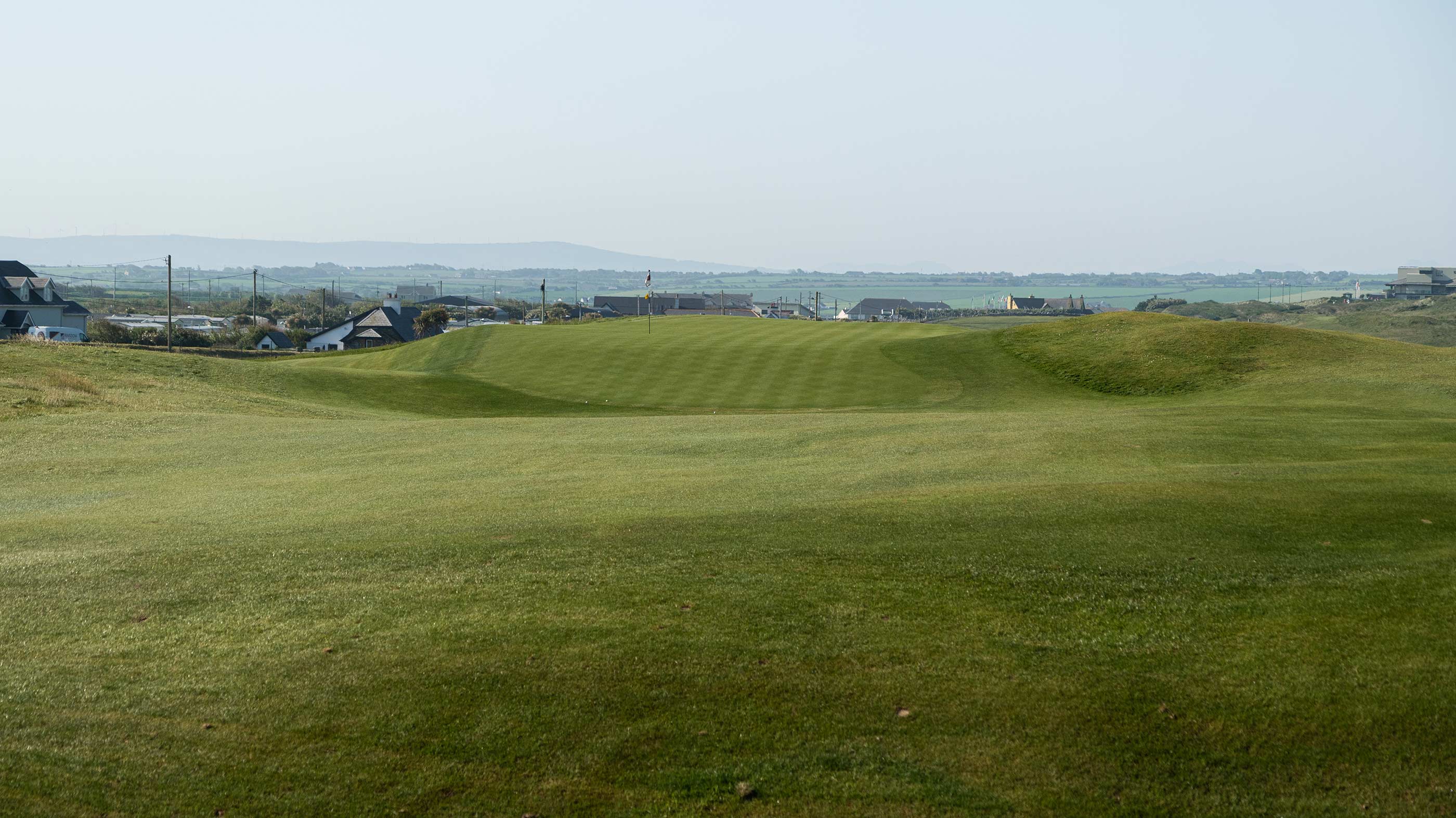
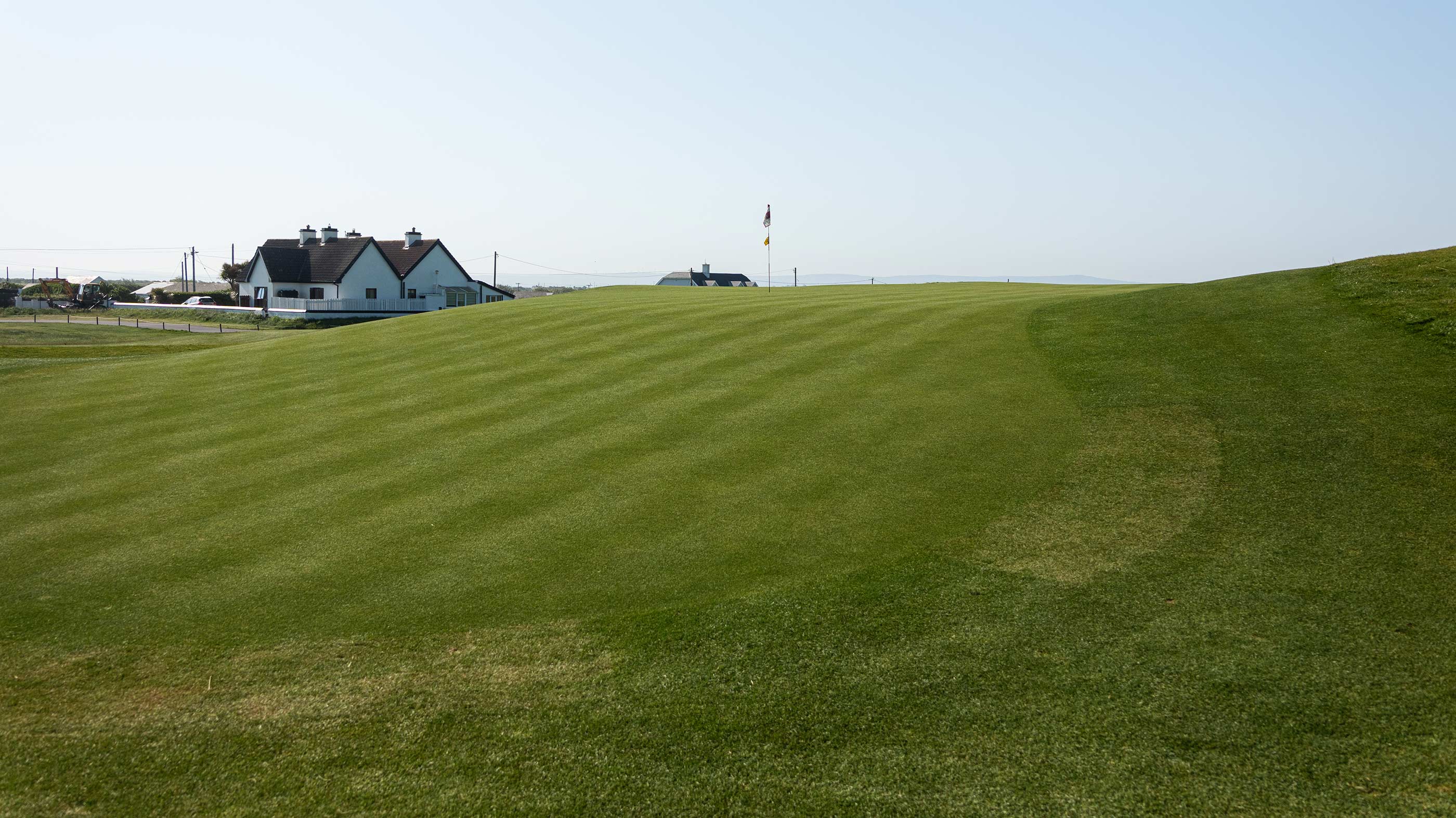
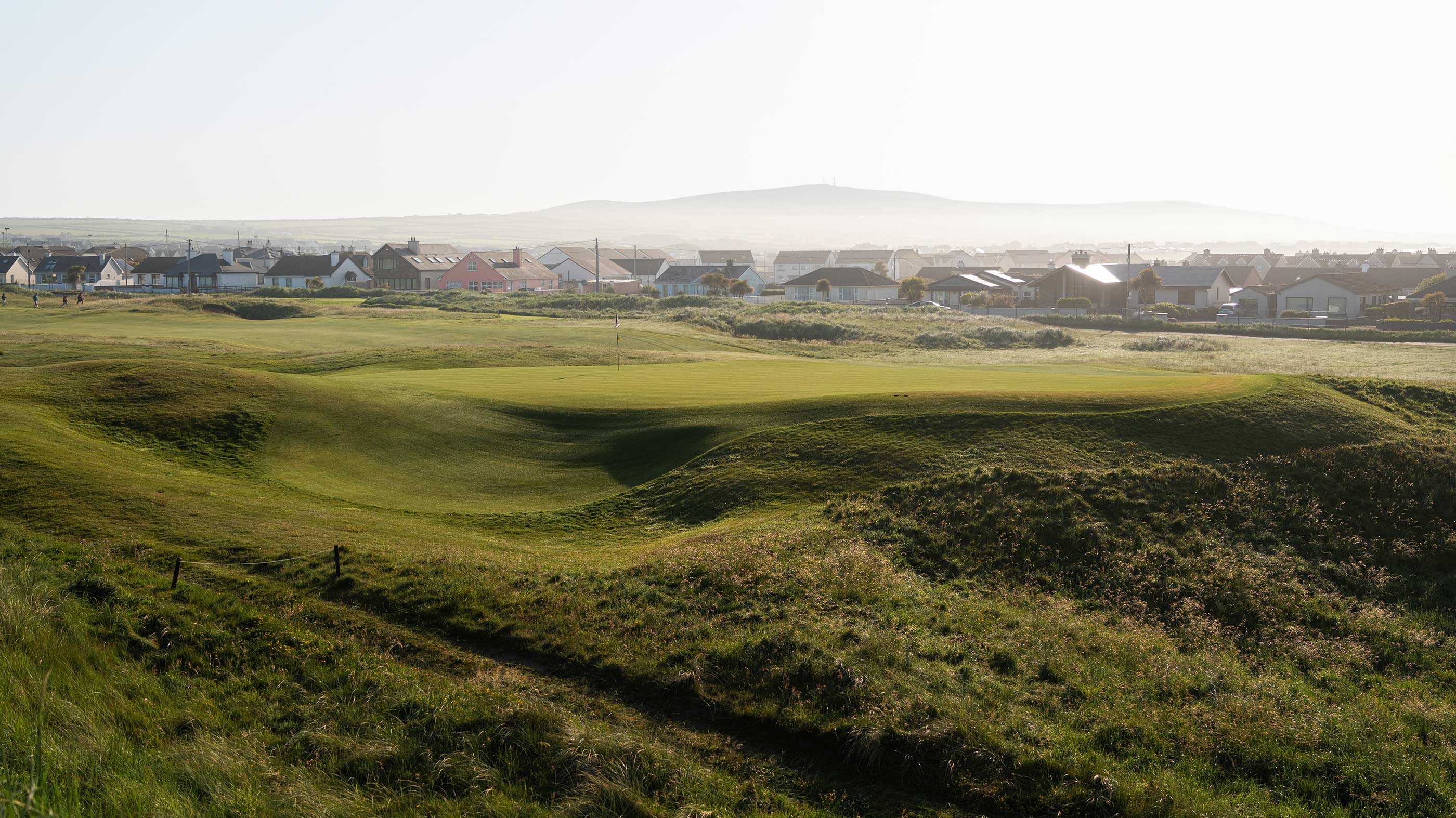
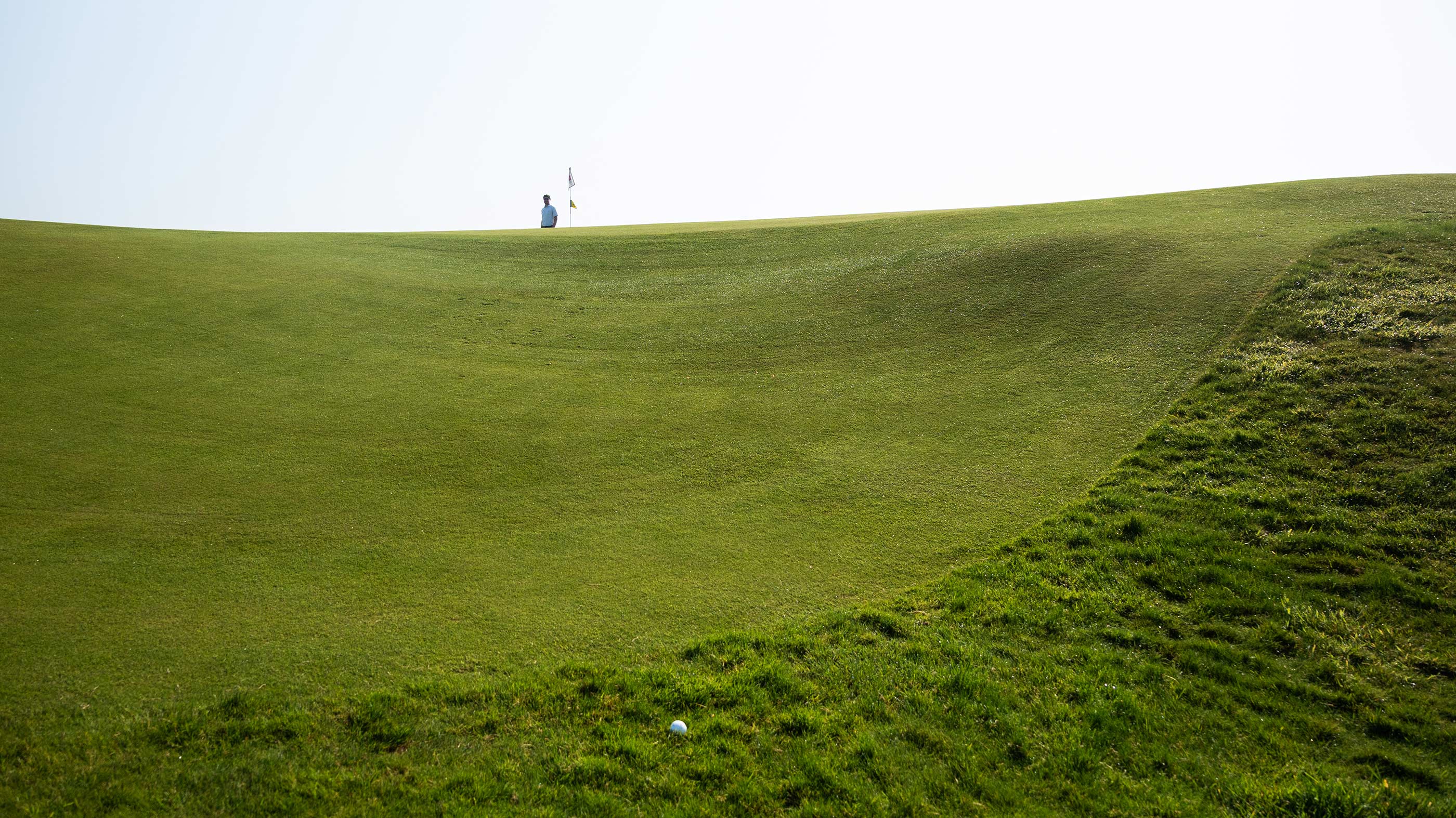
Hole 10
After a short departure from the ocean, the 10th veers back into the relentless coastline winds. Interestingly, the hole feels quite similar in nature to the famous sixth at Lahinch.
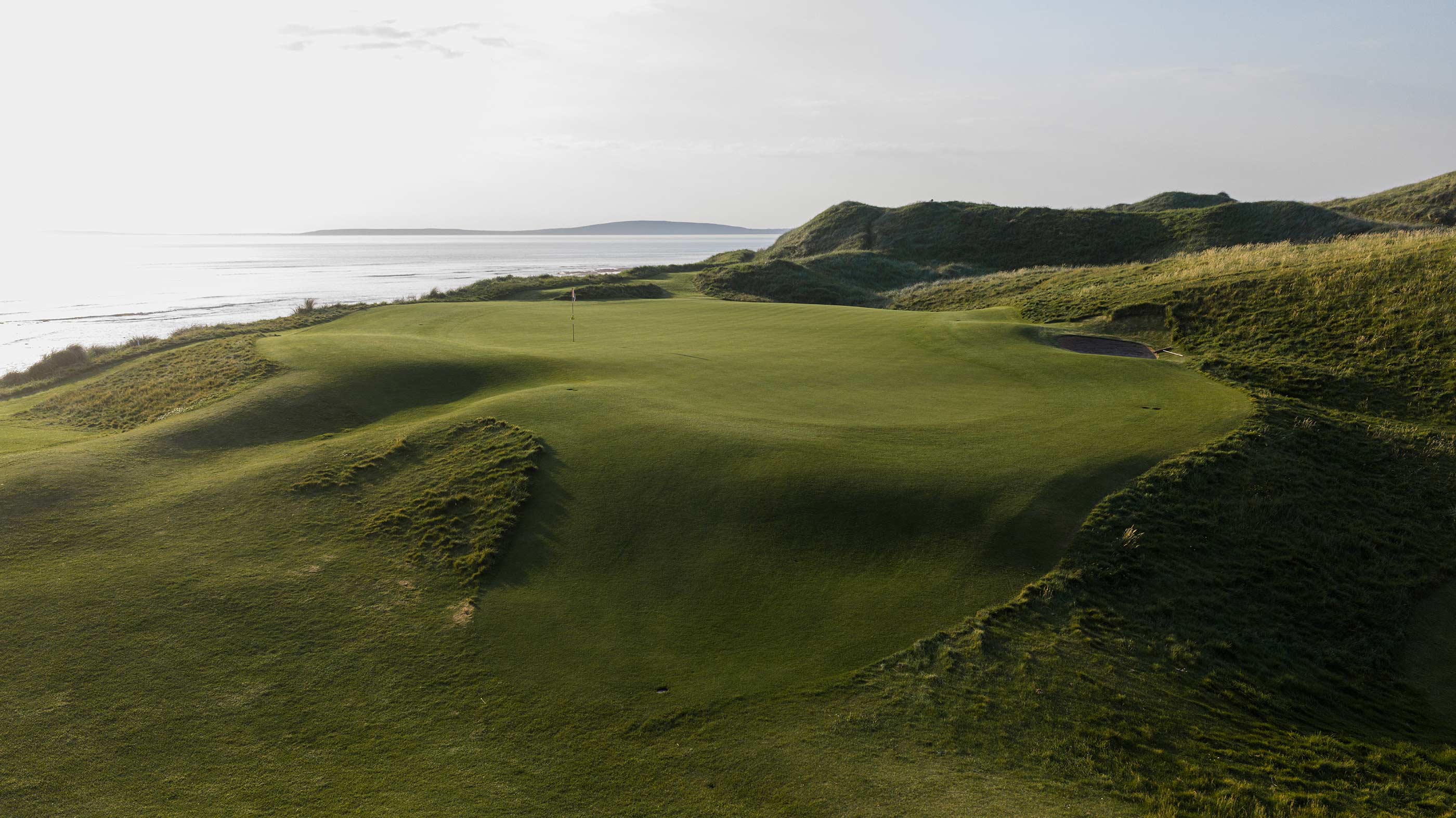
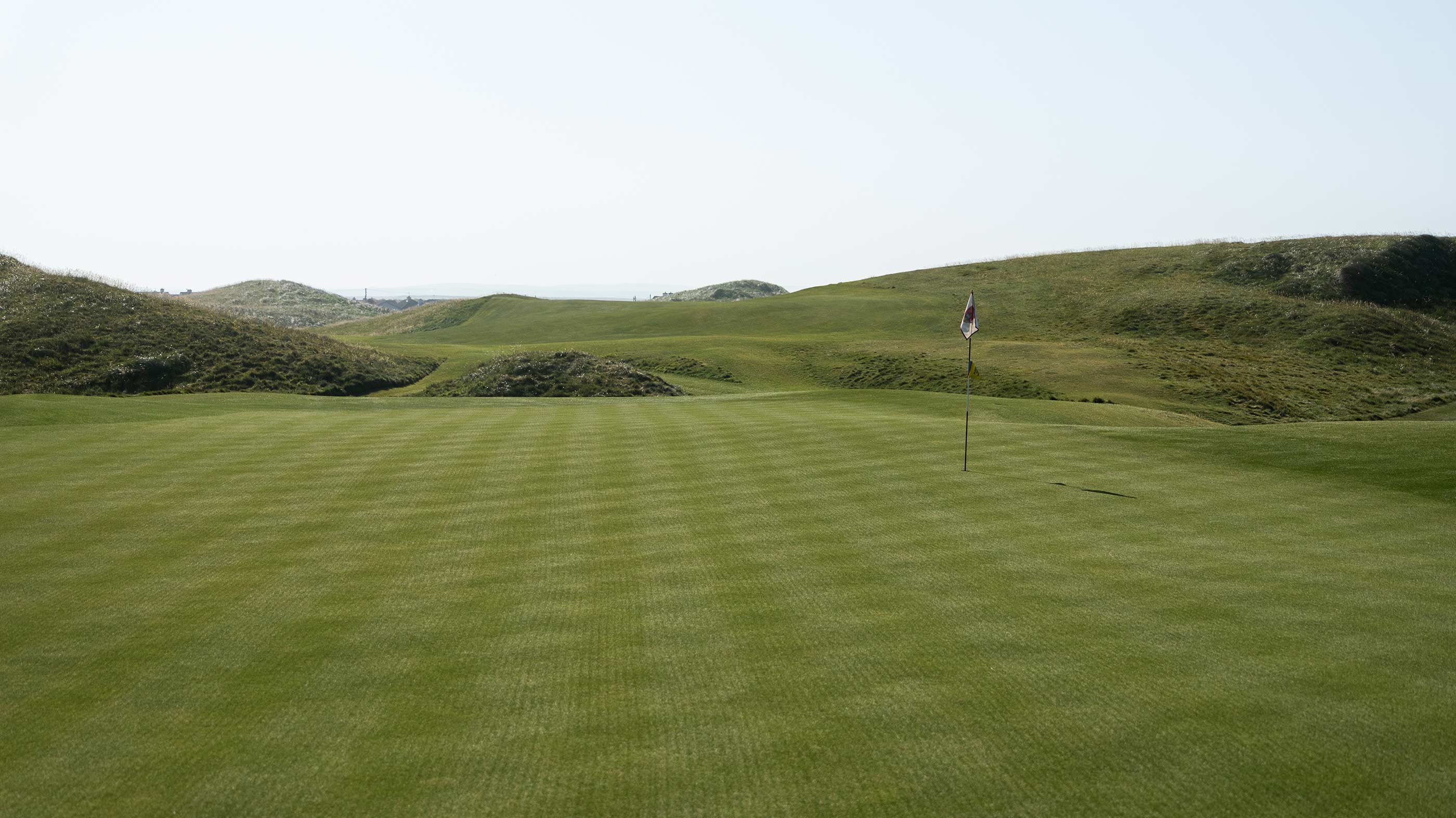
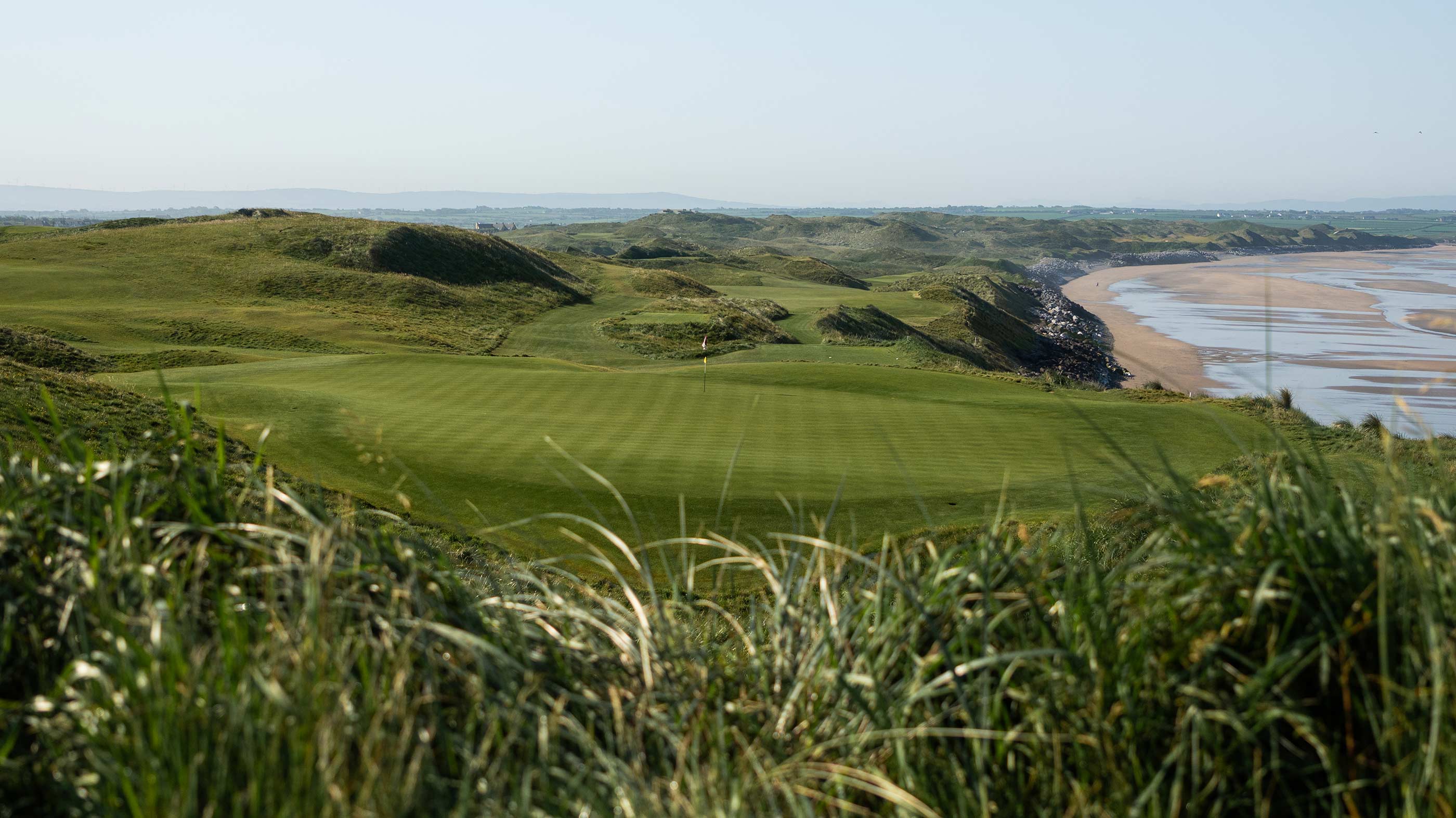
Mostly blind, the tee shot is played to the fairway from a slight angle, narrowing the effective width of the already narrow landing area. Push the ball too far forward or a bit right and you’ll tumble down to a low hollow and scrubby rough. The rumpled putting surface is fully exposed to the elements, forcing you to be precise with a short club in hand. A gnarly hollow eats into the green from the left and swallows any shots along the perimeter.
Playing mostly into the wind and off the left, I adore the way this hole demands extra precision on shots as well as how the ocean is revealed to you once again. It may look like a cakewalk, but it will ruffle the feathers of even the best players. Additionally, it begins a nine-hole stretch through some of the most majestic dunes in golf.

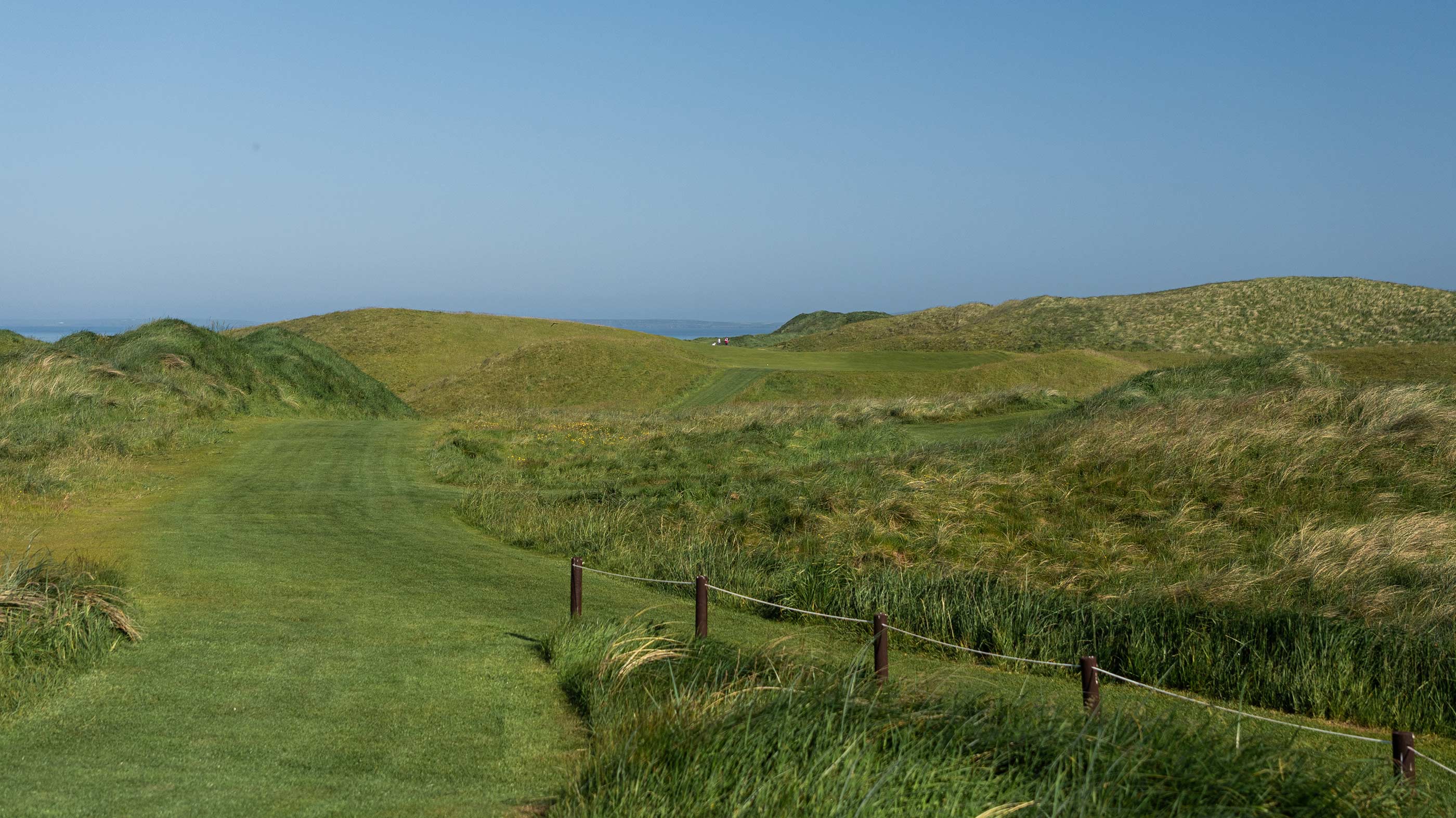

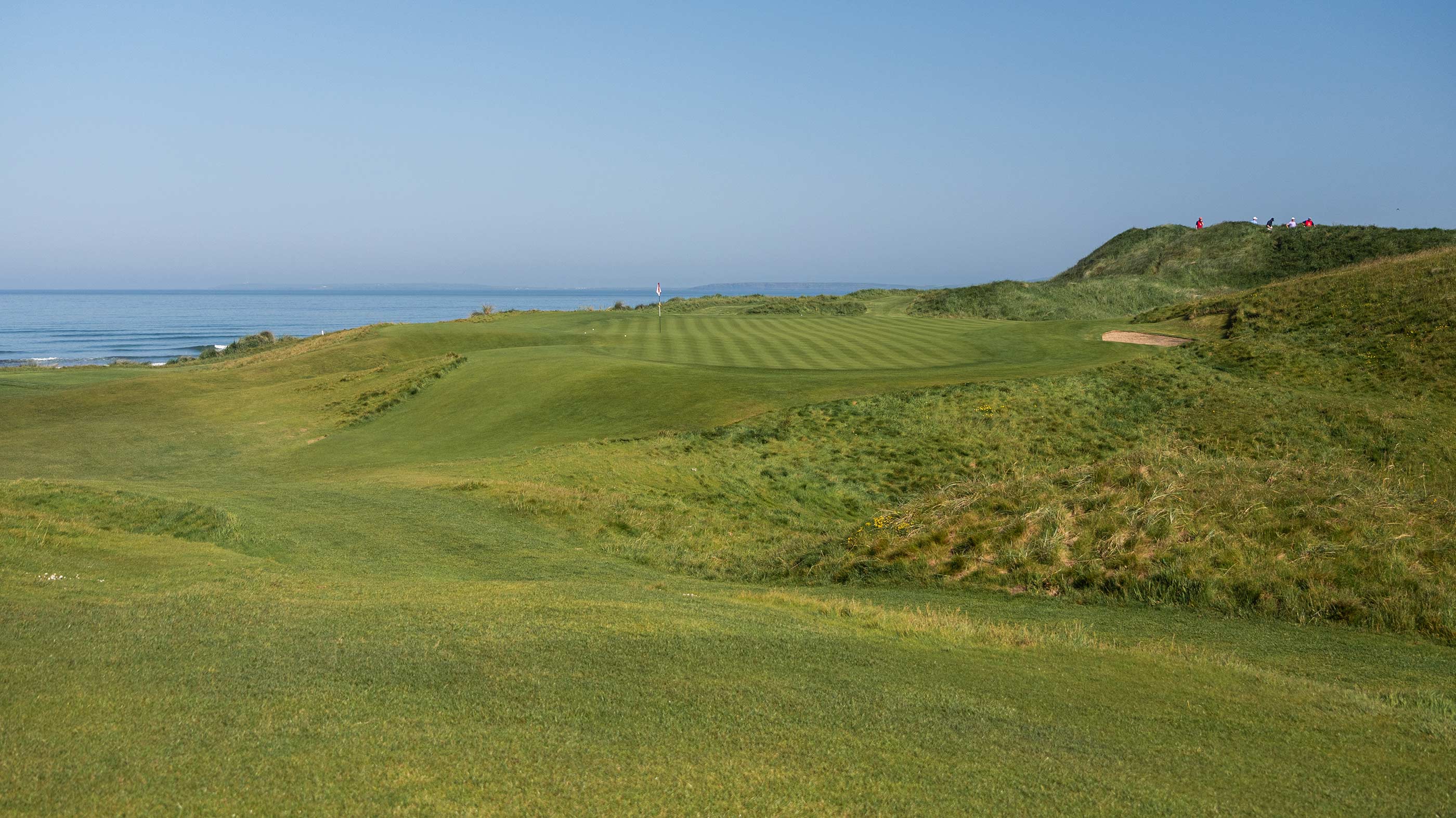
Hole 11
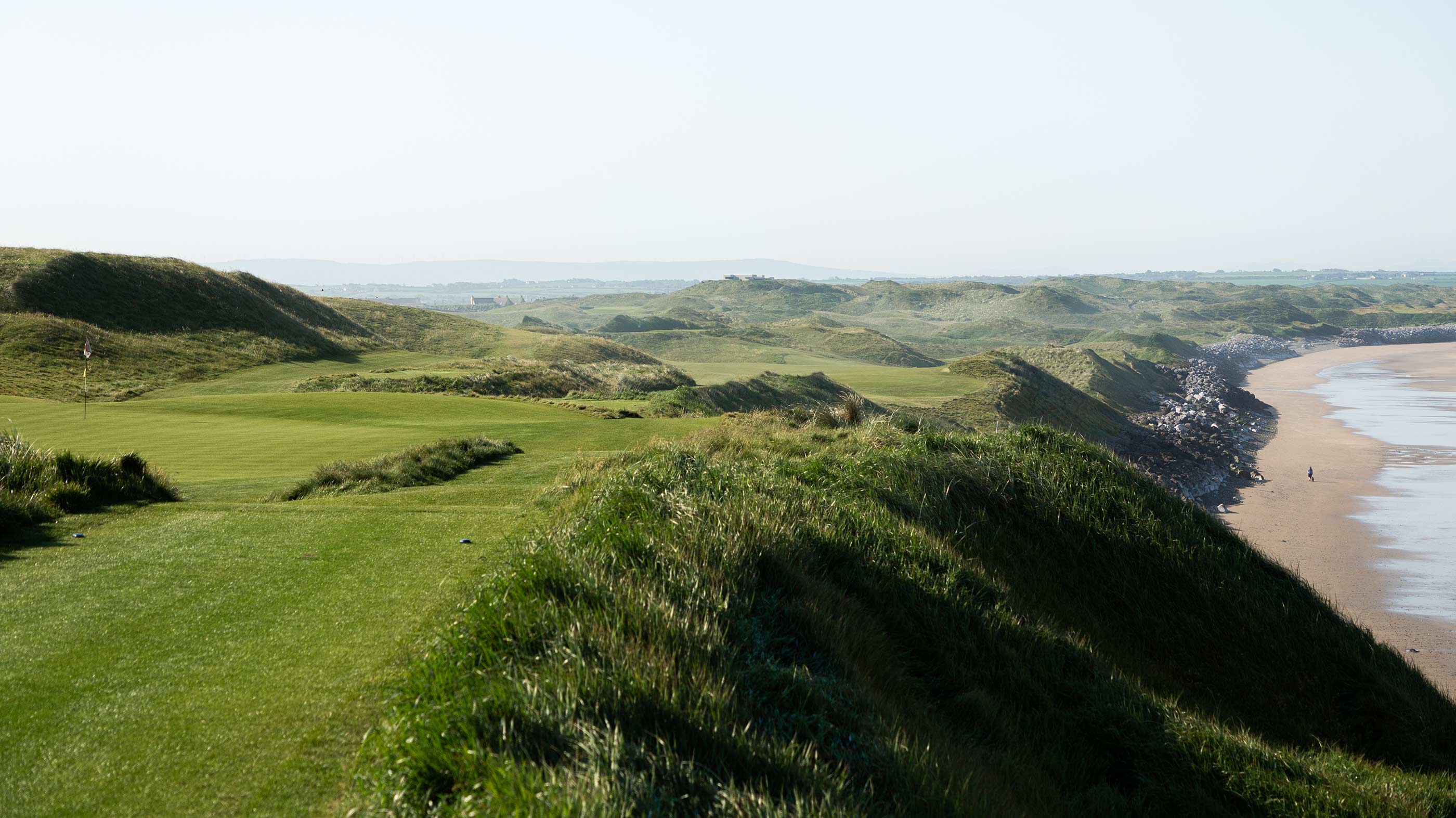
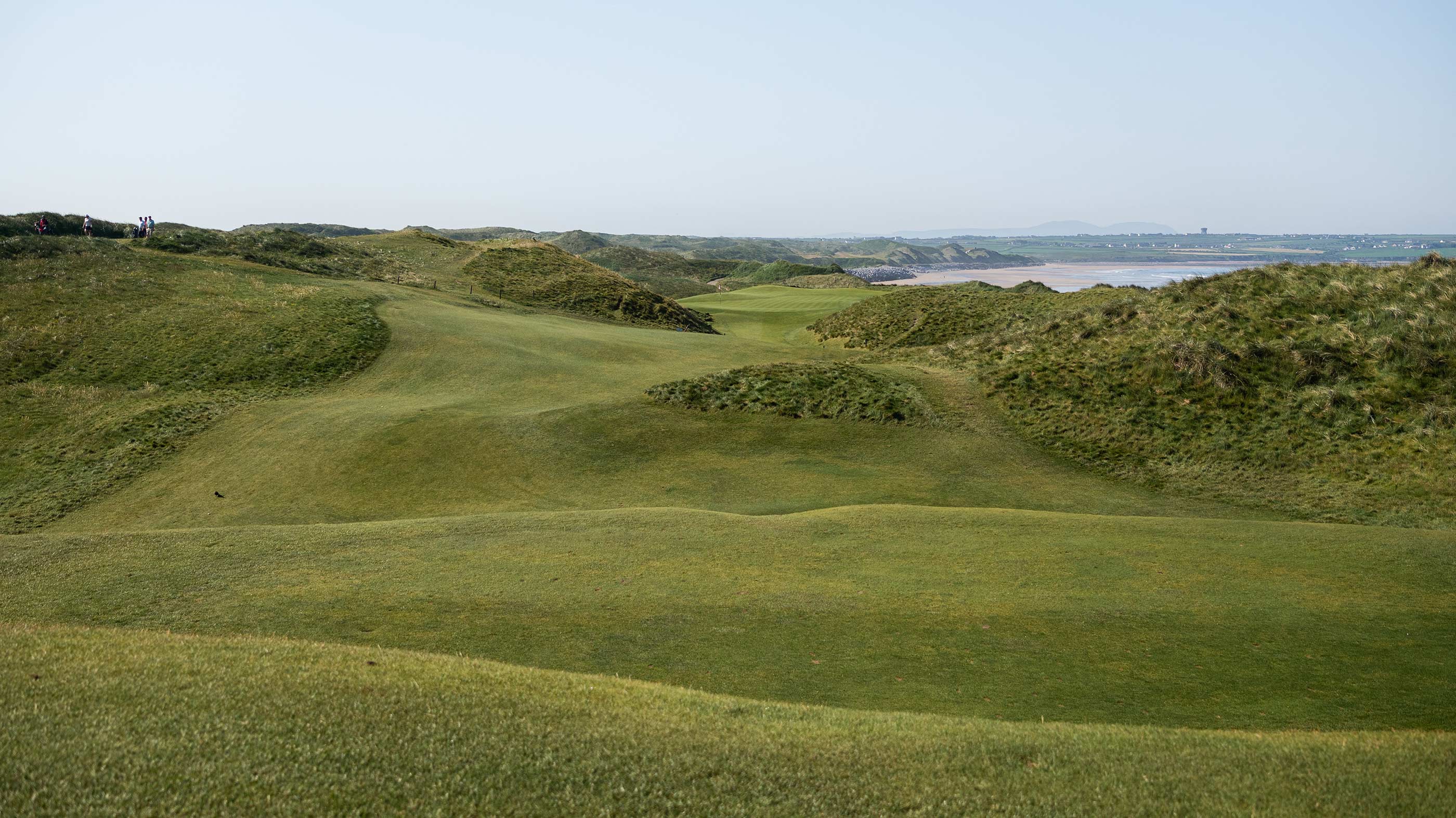
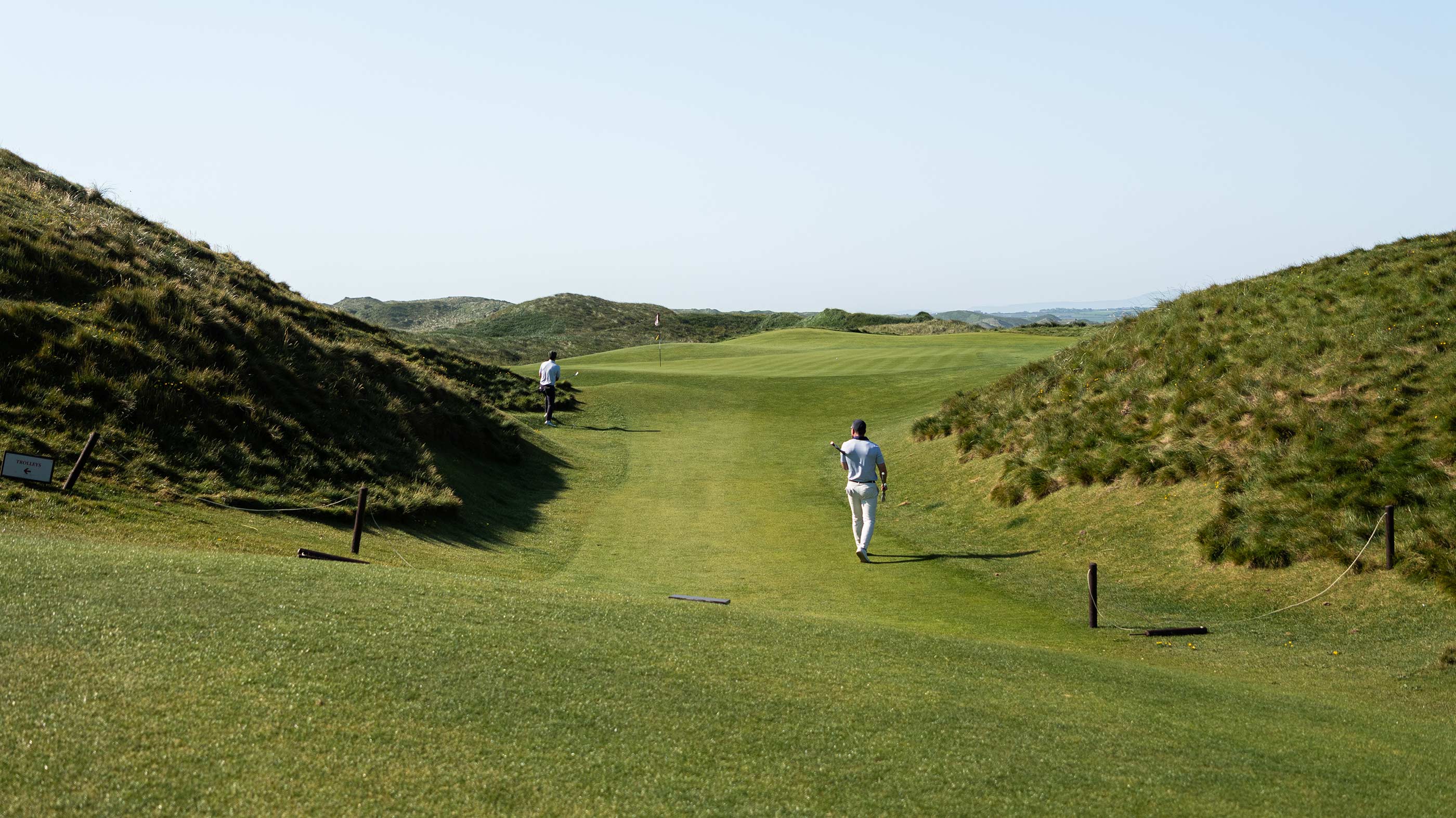
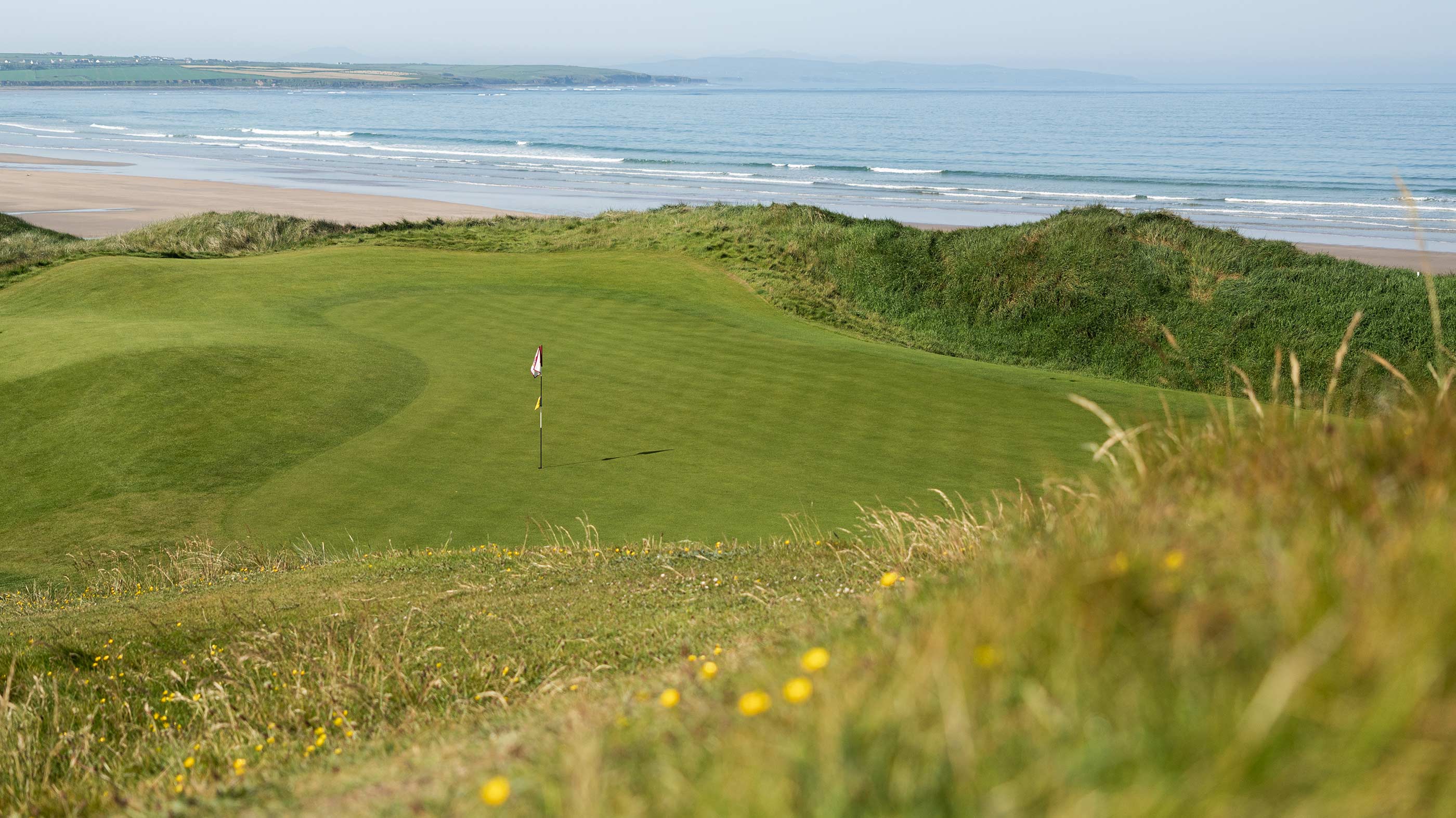
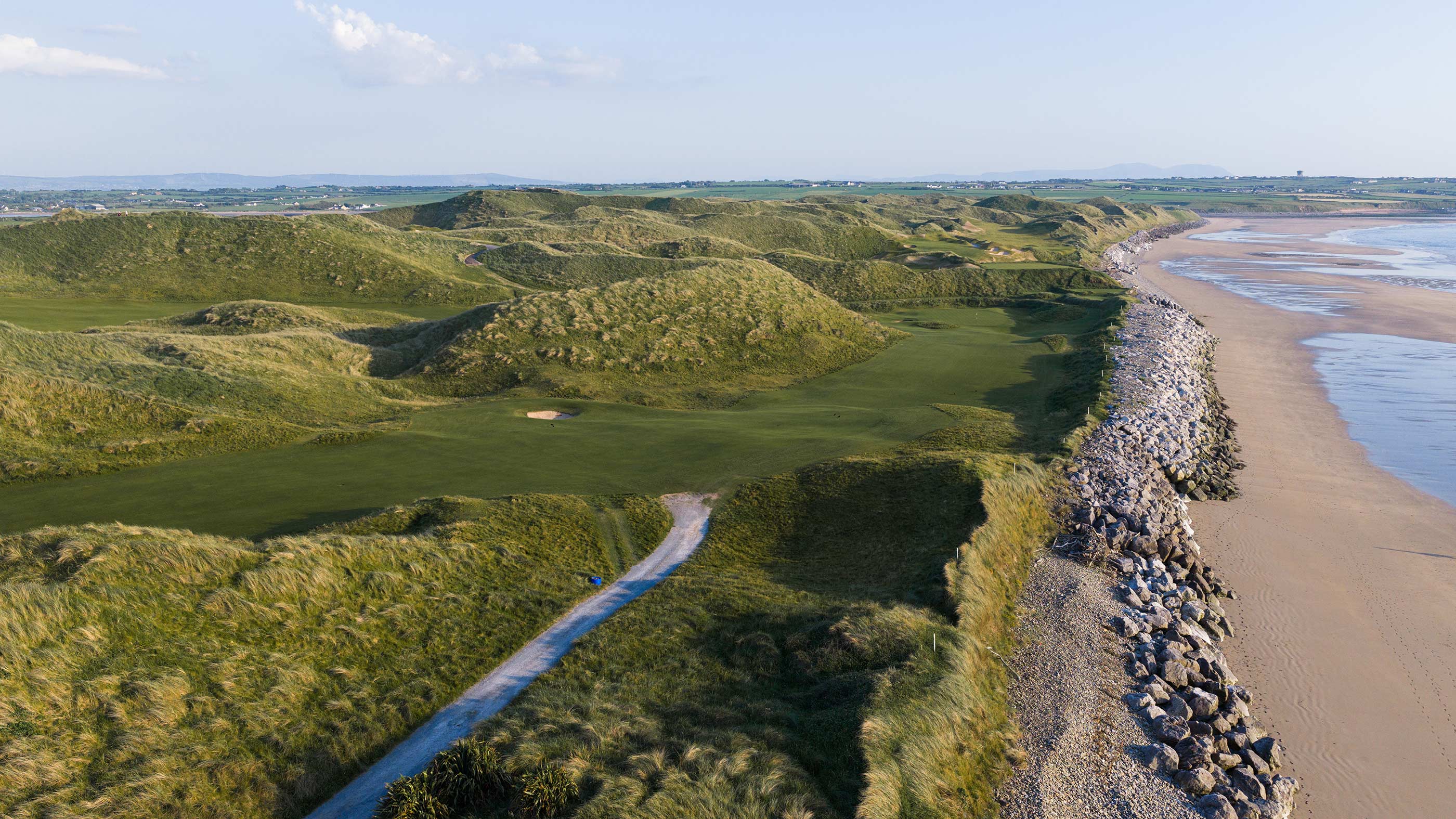
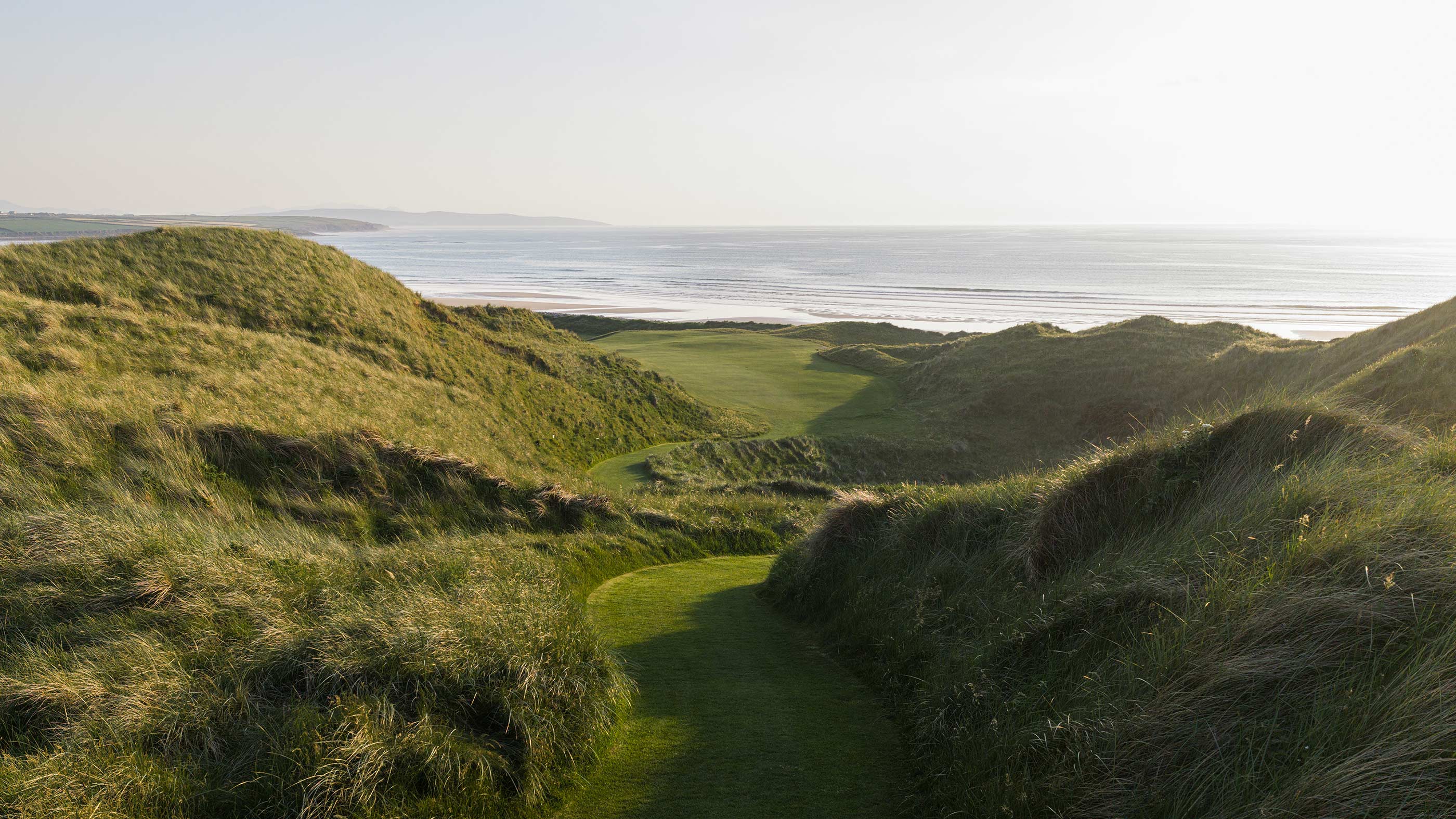
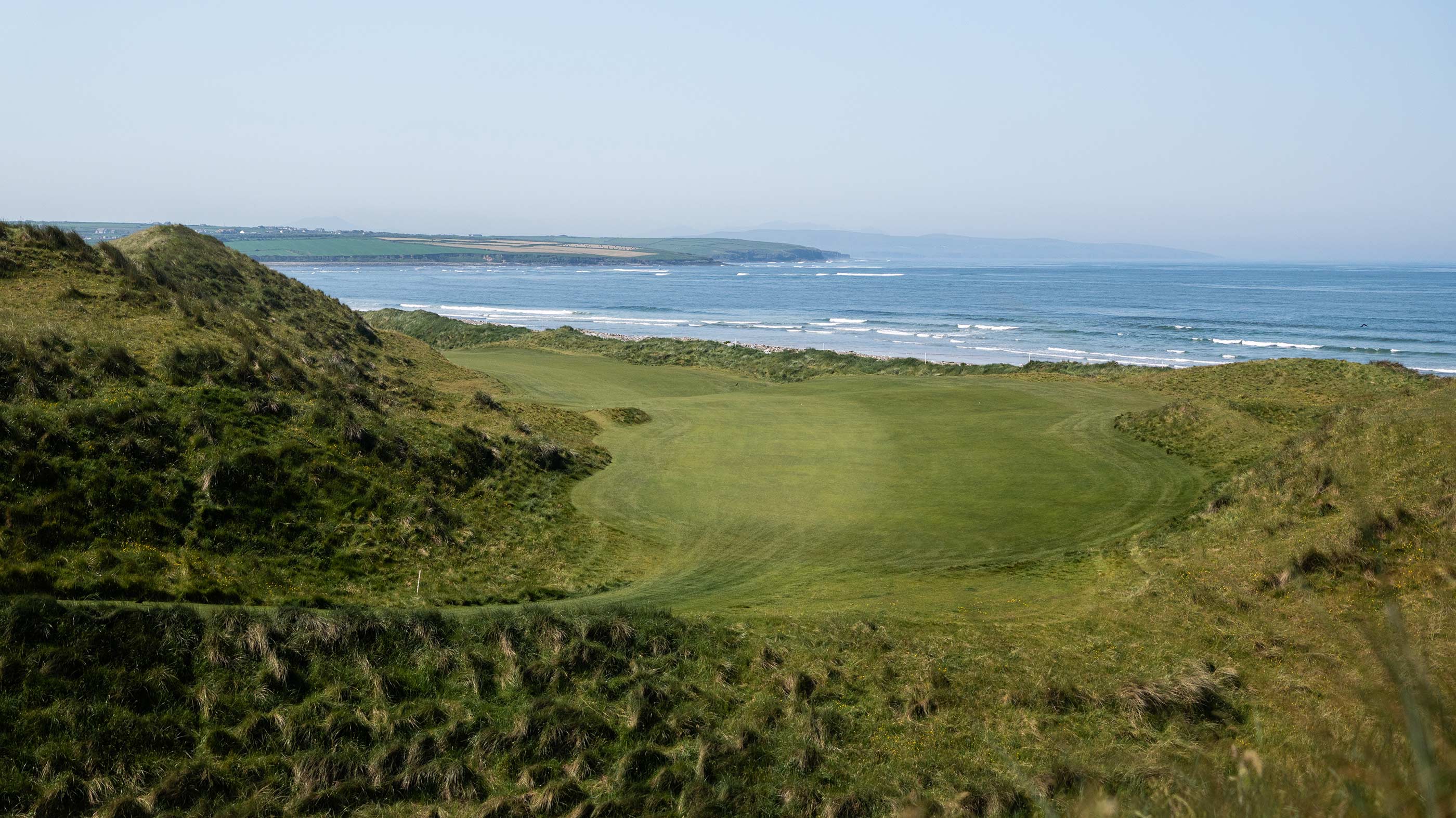
Certainly one of the greatest holes in golf, the 11th tumbles downhill from tee to green atop the coastal cliff. Avoid the Atlantic and favor the left for a straight shot up a narrow valley that frames the green and helps funnel ground shots.



Hole 12
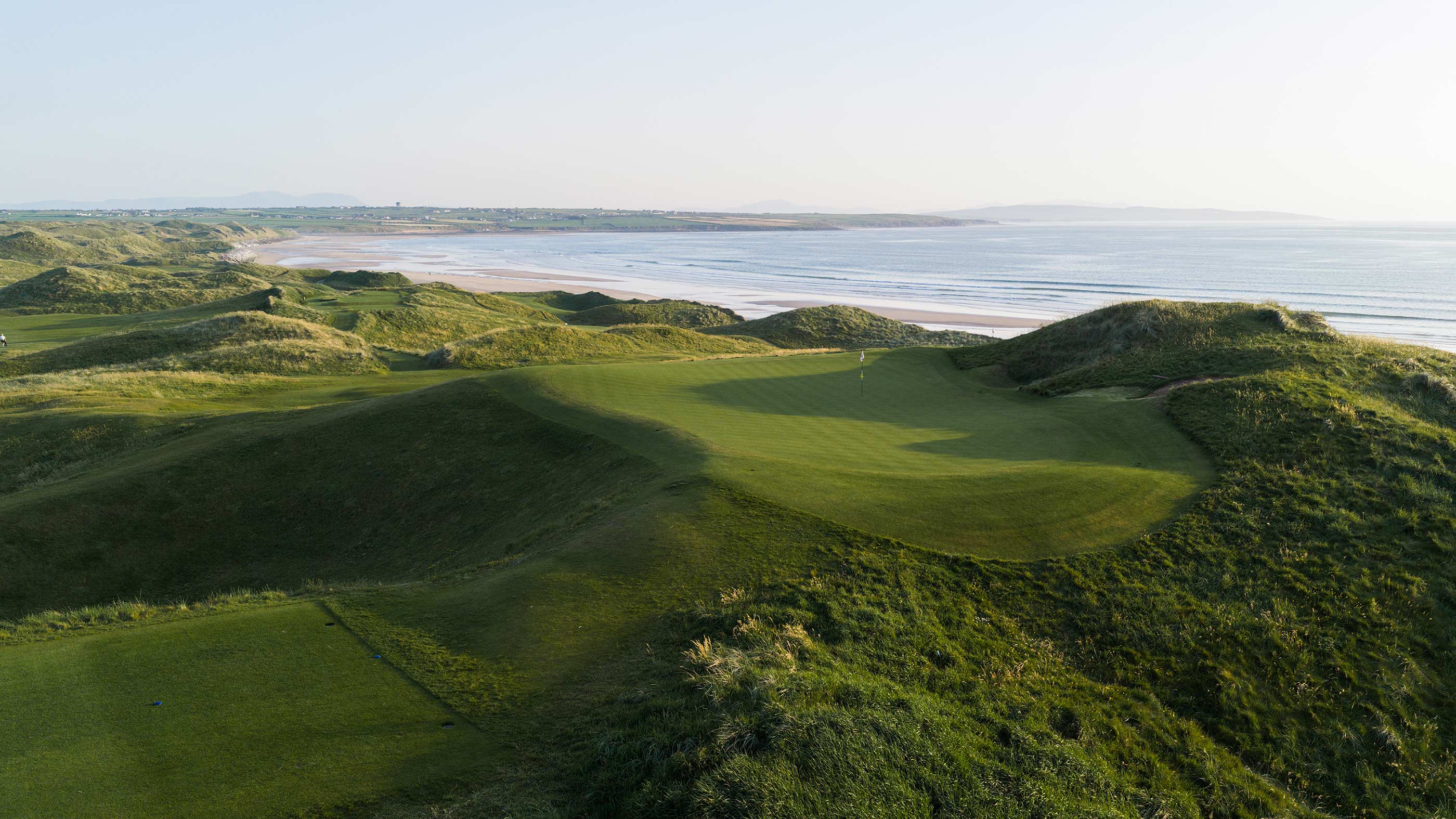
A hole so preposterous and challenging that I’m captivated by it. The green sits way up in the air atop a dune and falls off 20-plus feet to the right. Hitting a shot to the fairway below the green and wedging on is likely your best option on a blustery day.




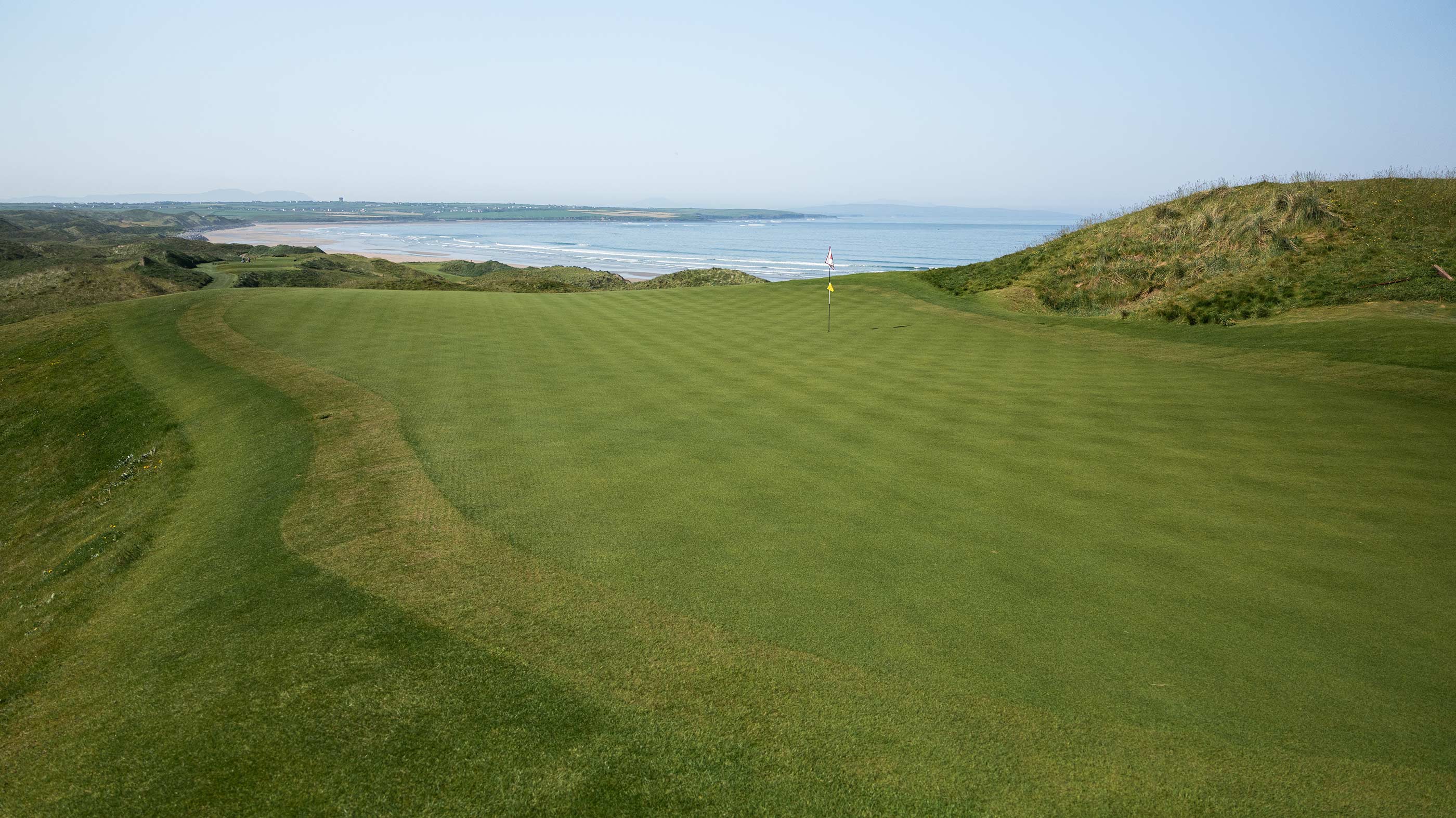
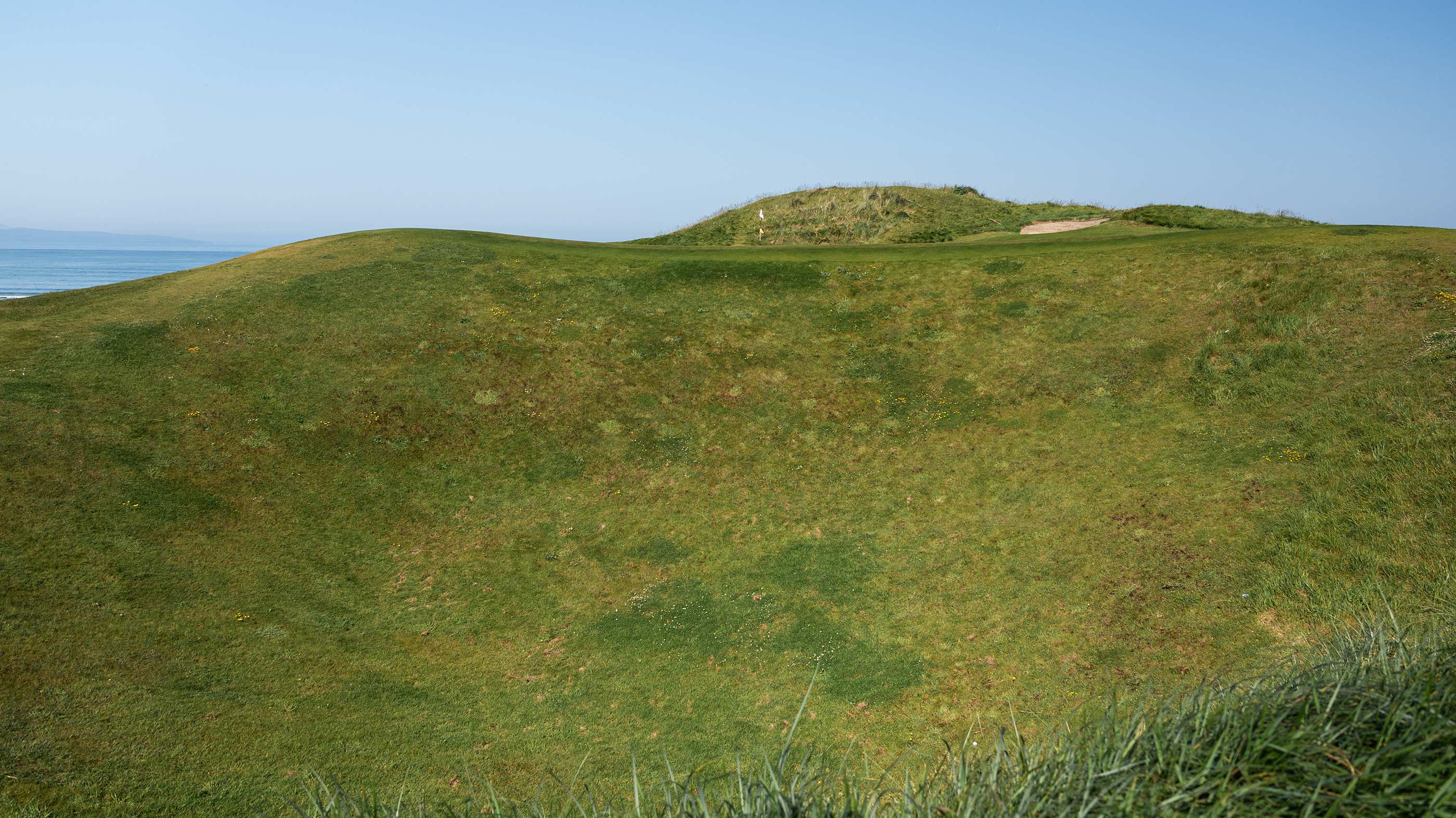
Hole 13
Play over the dune to shave off distance but you sacrifice a good angle, which can be very important to hold the green on windy days. Deep swales long and left will gobble up balls and leave a daunting recovery.

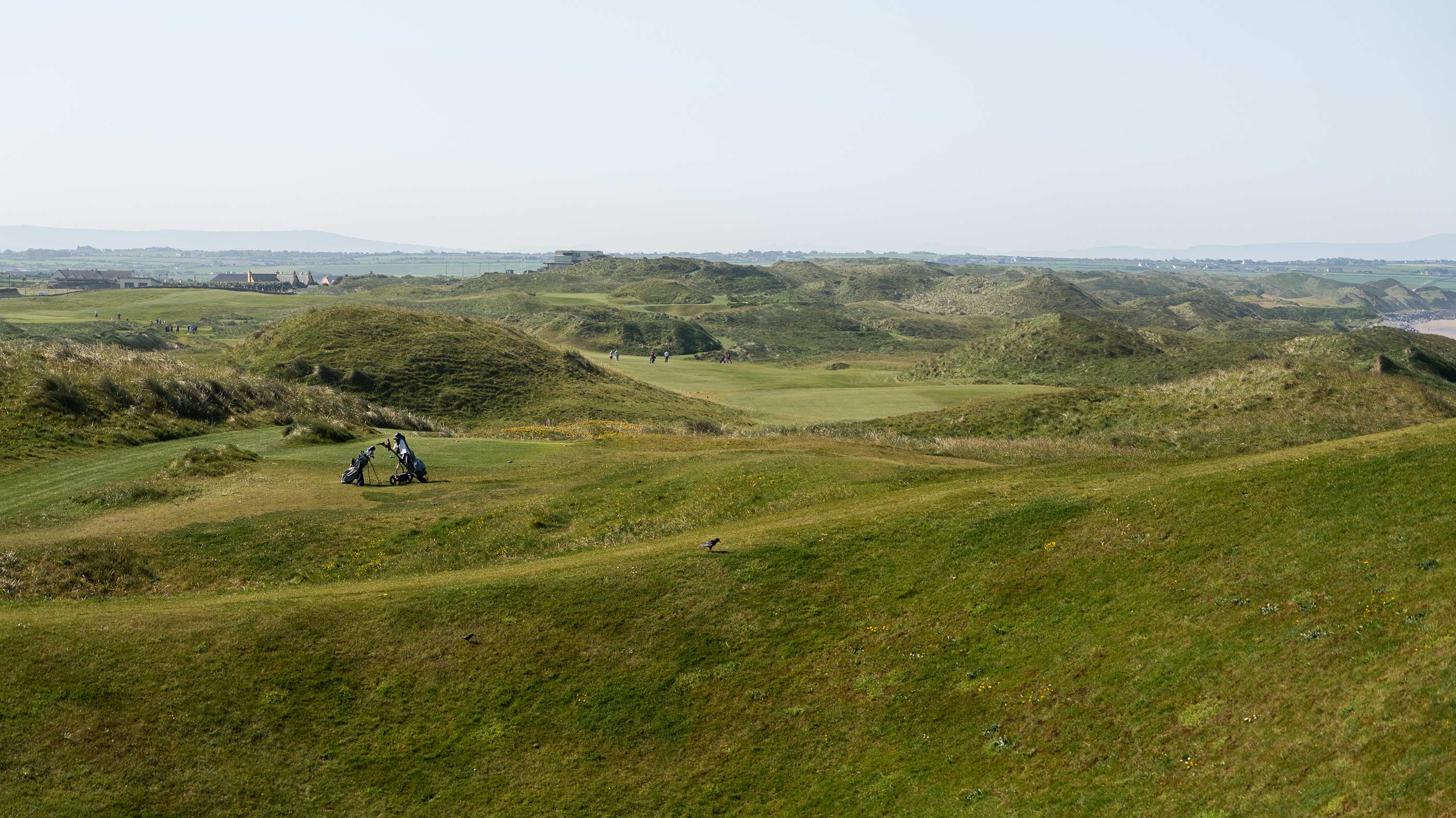
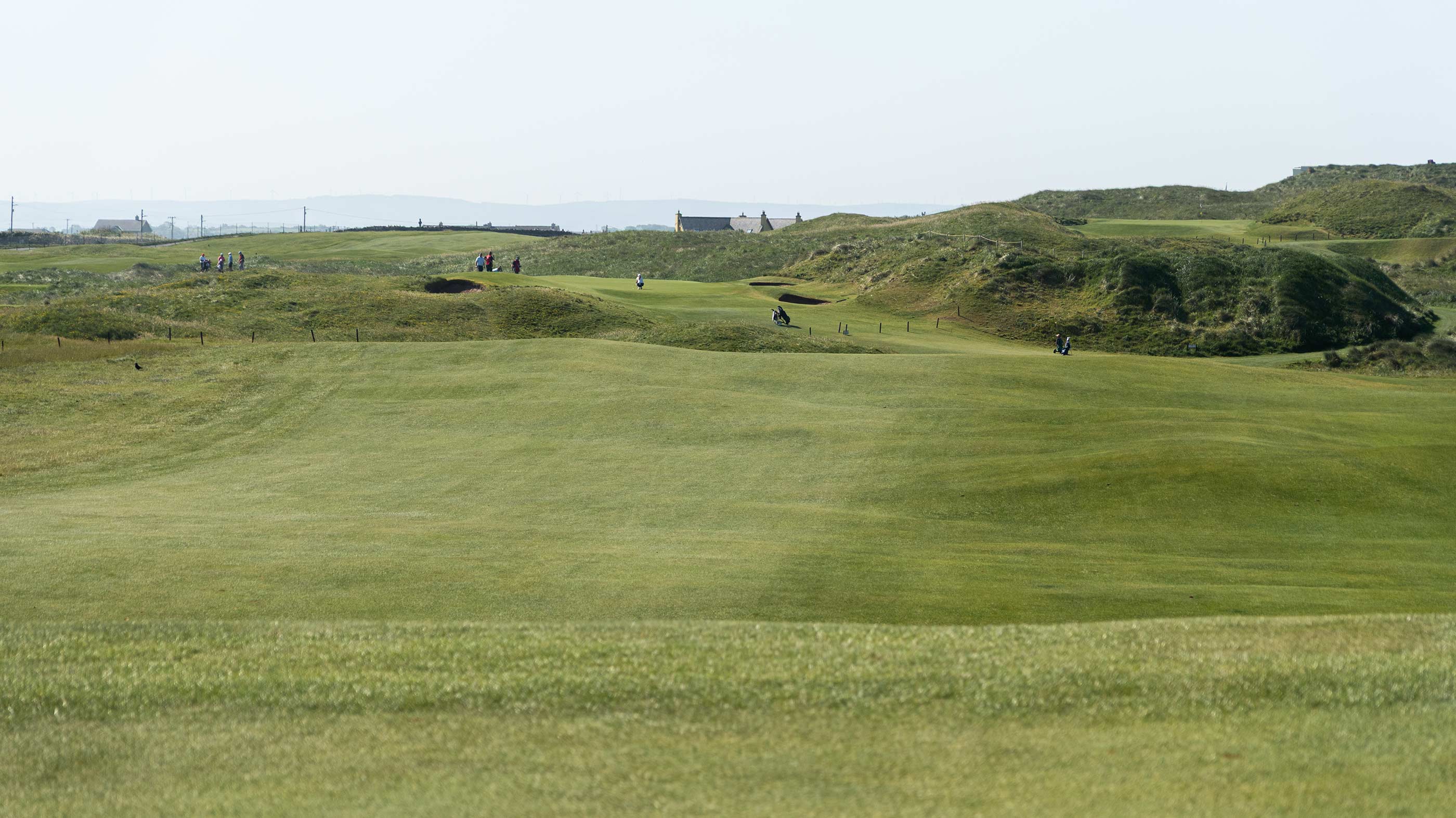
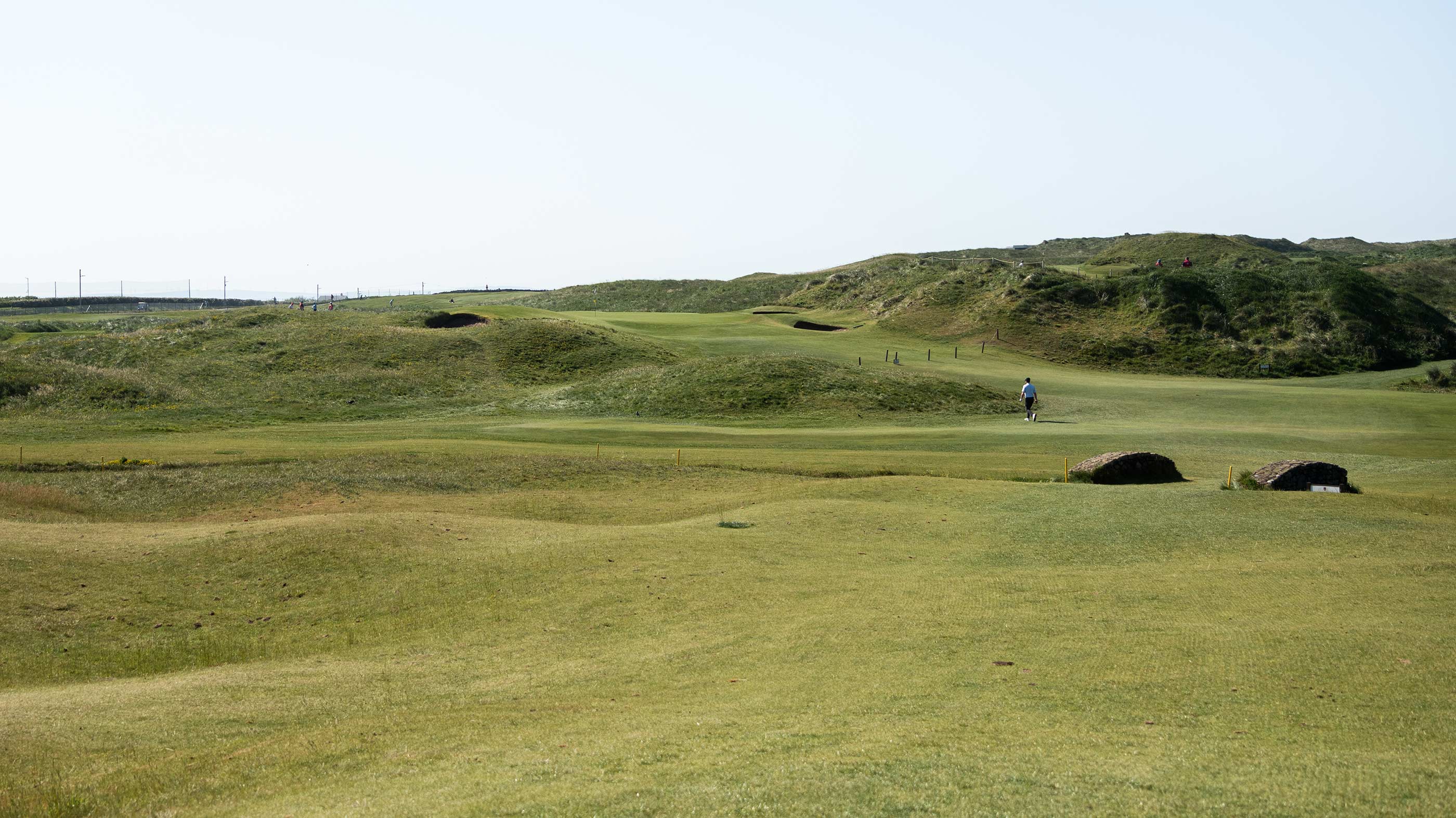

Hole 14
Most short par 3s play downhill, so I particularly enjoy this uphill approach to a narrow target. Perhaps a weaker hole but it sets up the showstopping final act.


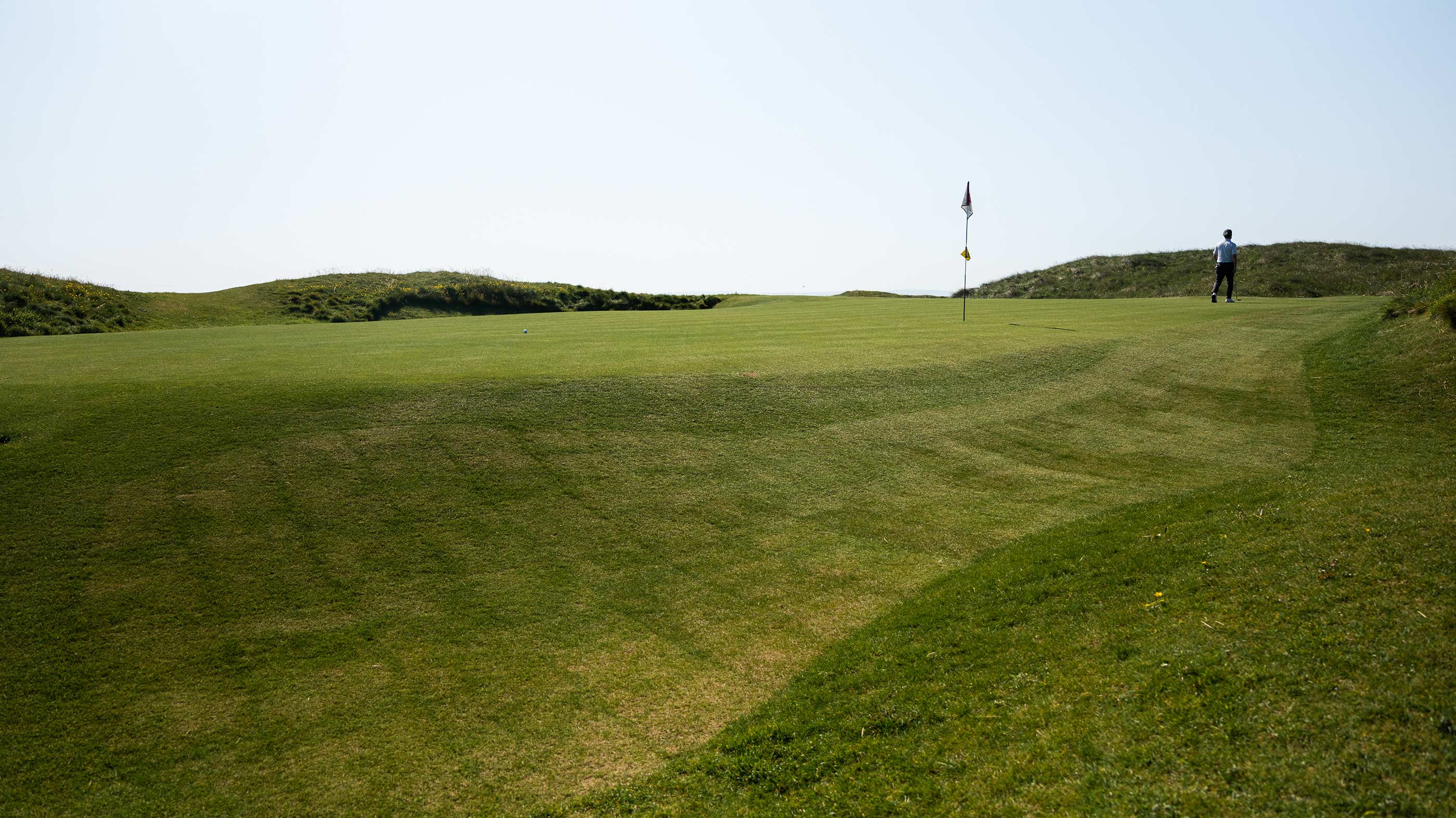

Hole 15
Back towards the ocean we go, the 15th plays long despite the downhill nature. Finding the correct tier on the green saves you from a headache.


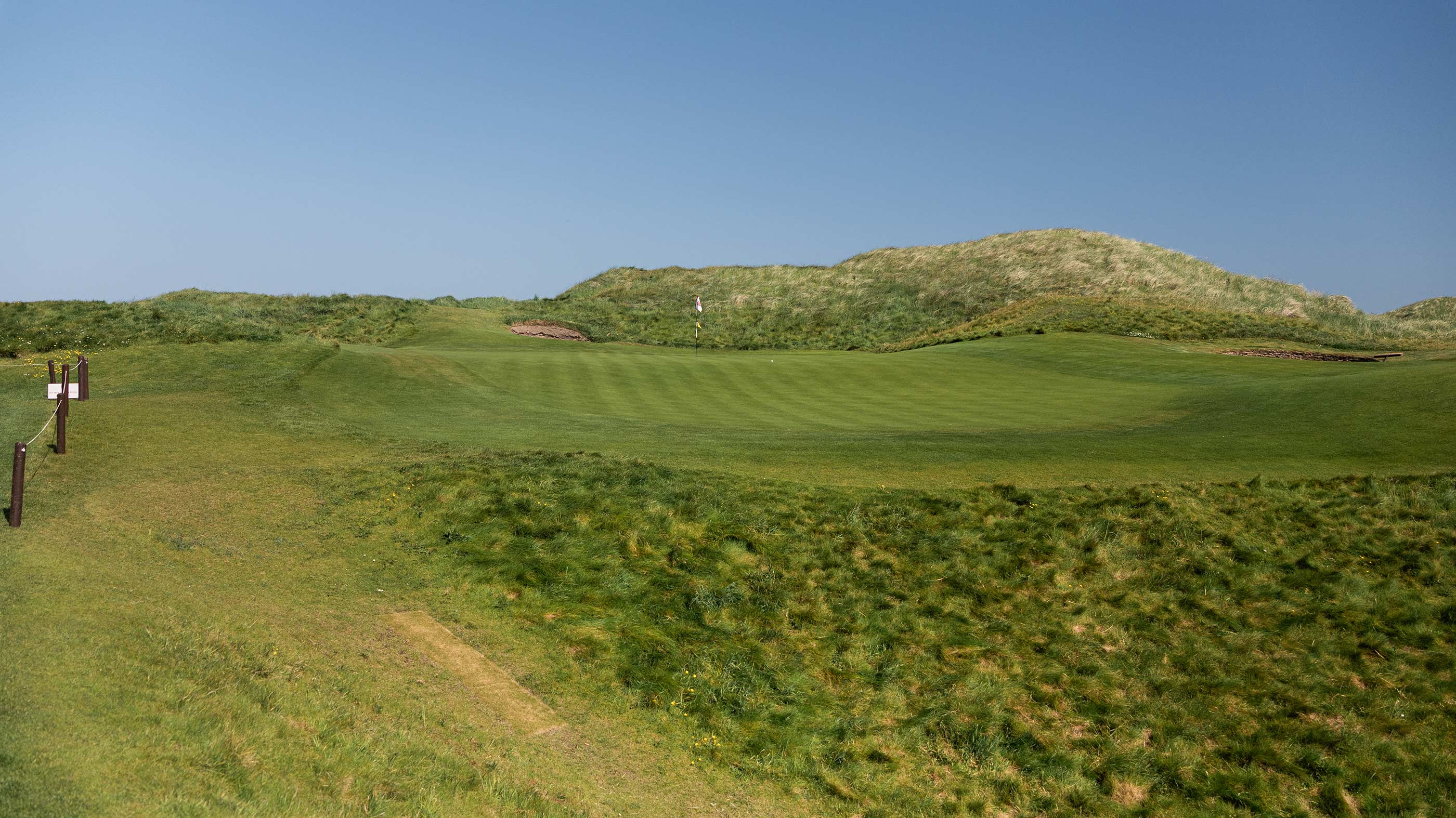
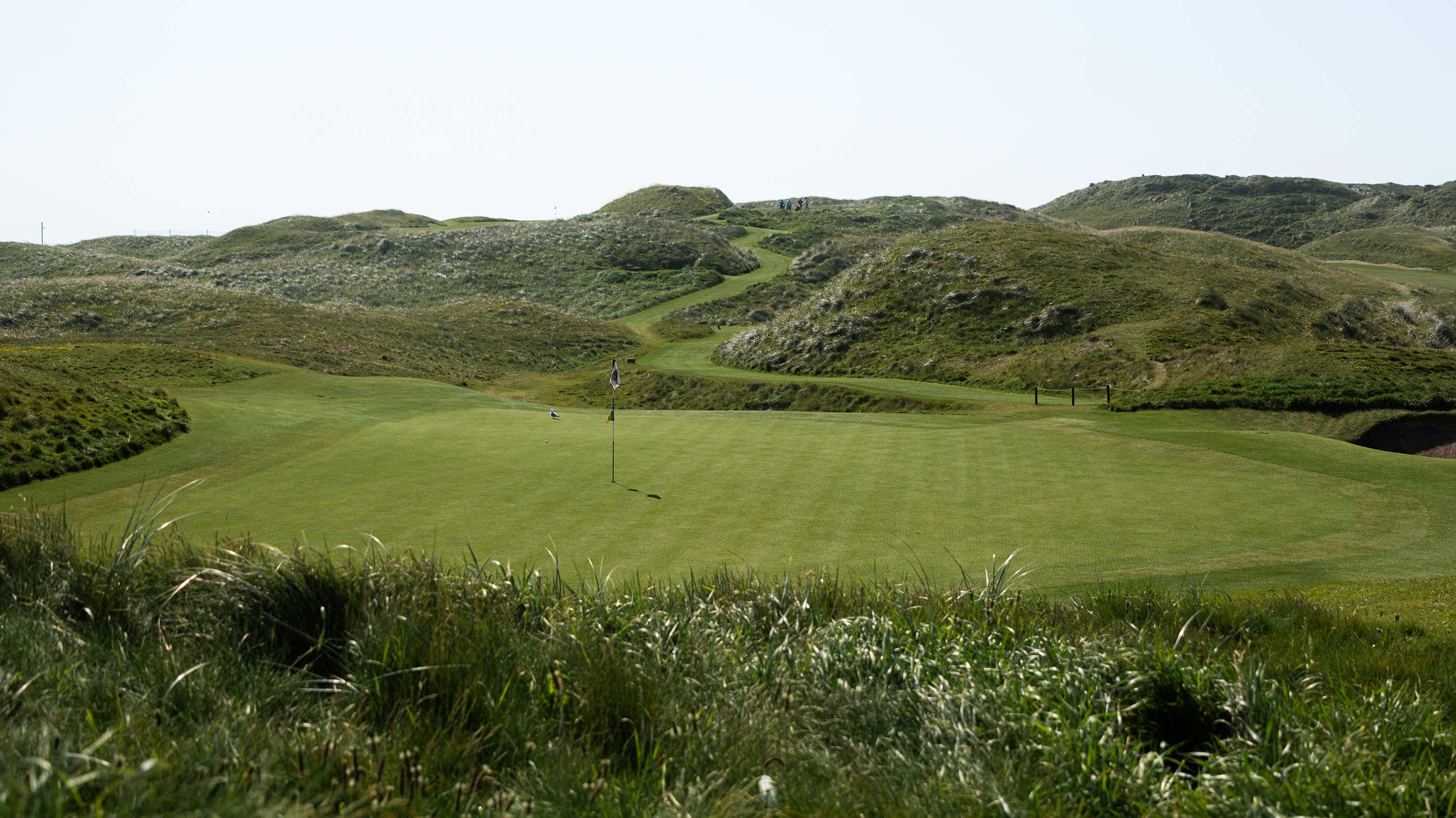

Hole 16
A slightly strange yet enjoyable golf hole. In 1937, Simpson suggested that this hole (past 11th) could be improved by “going up the valley to the left to find a green” and architect John McAllister carried out the request in 1950. A solid drive to the angled fairway will set up a go at the green.



Hole 17
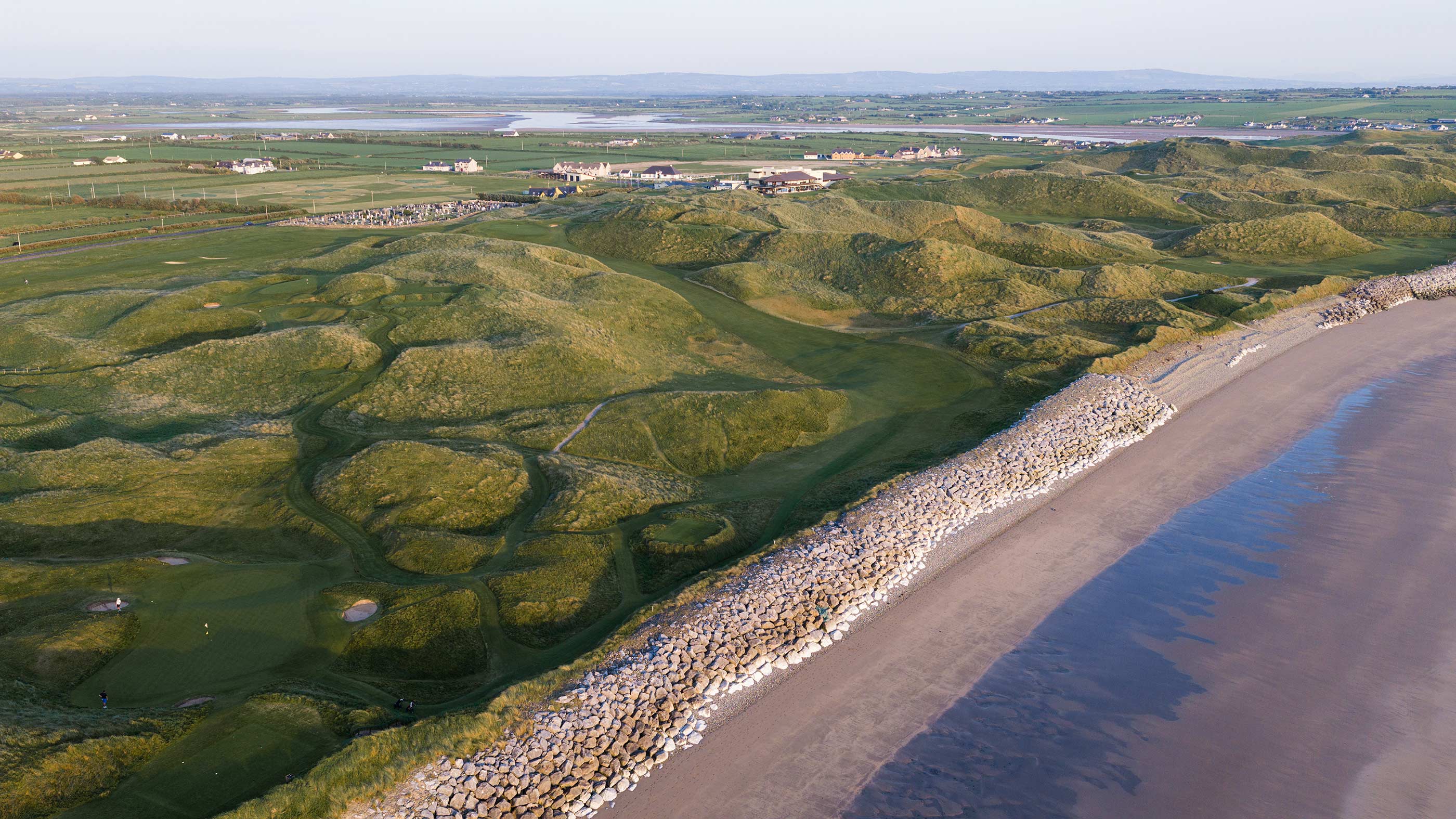
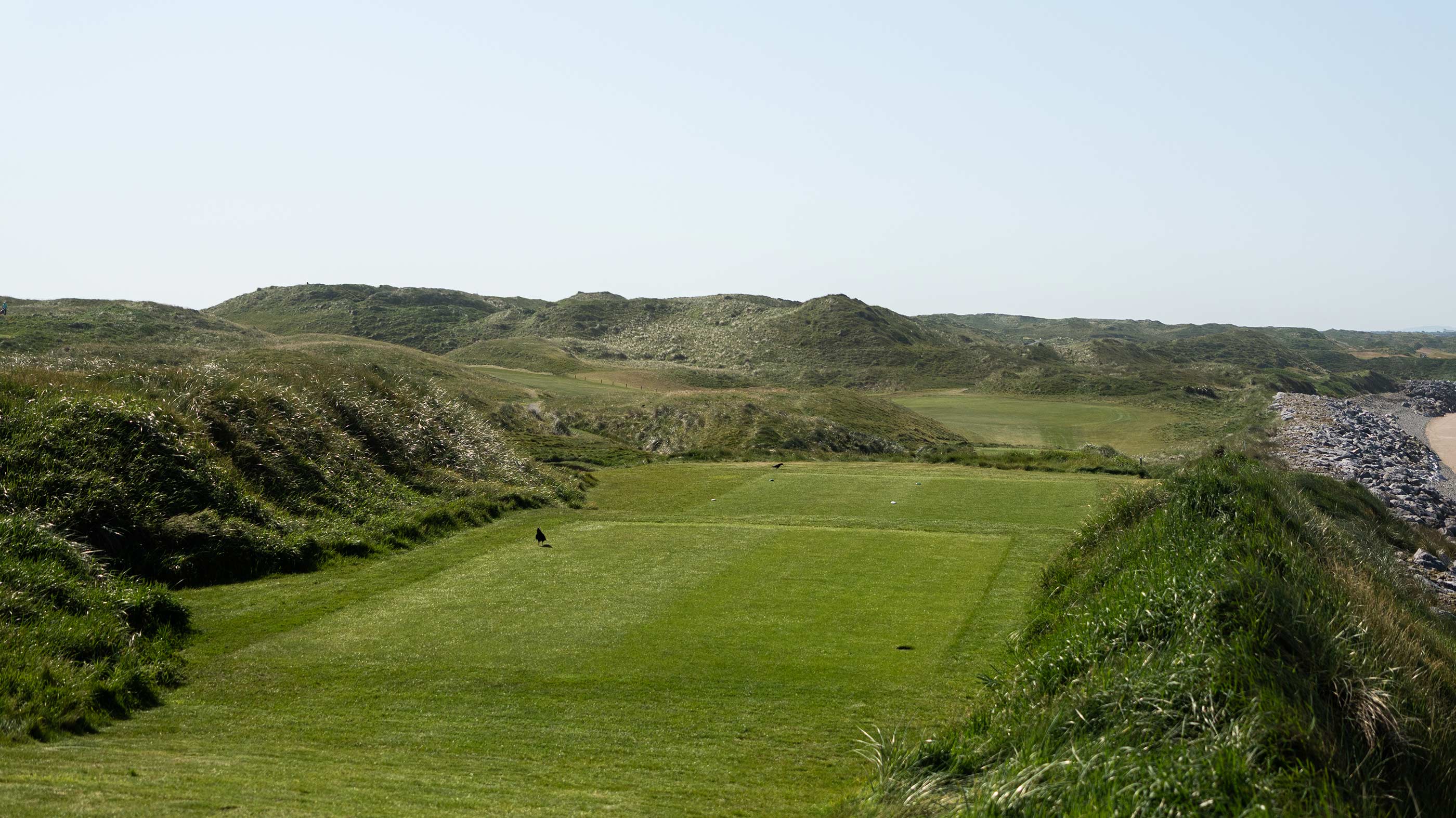
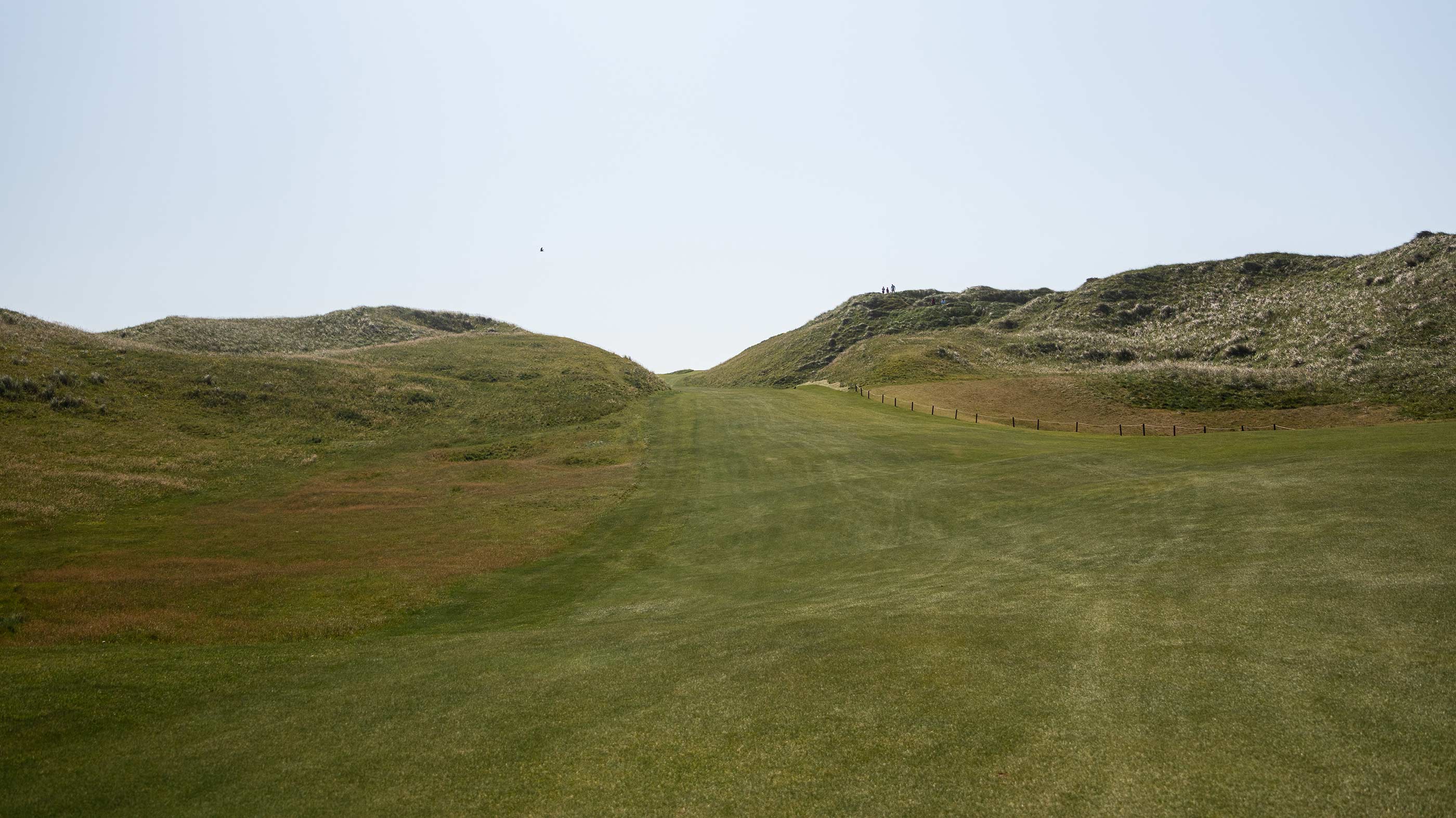
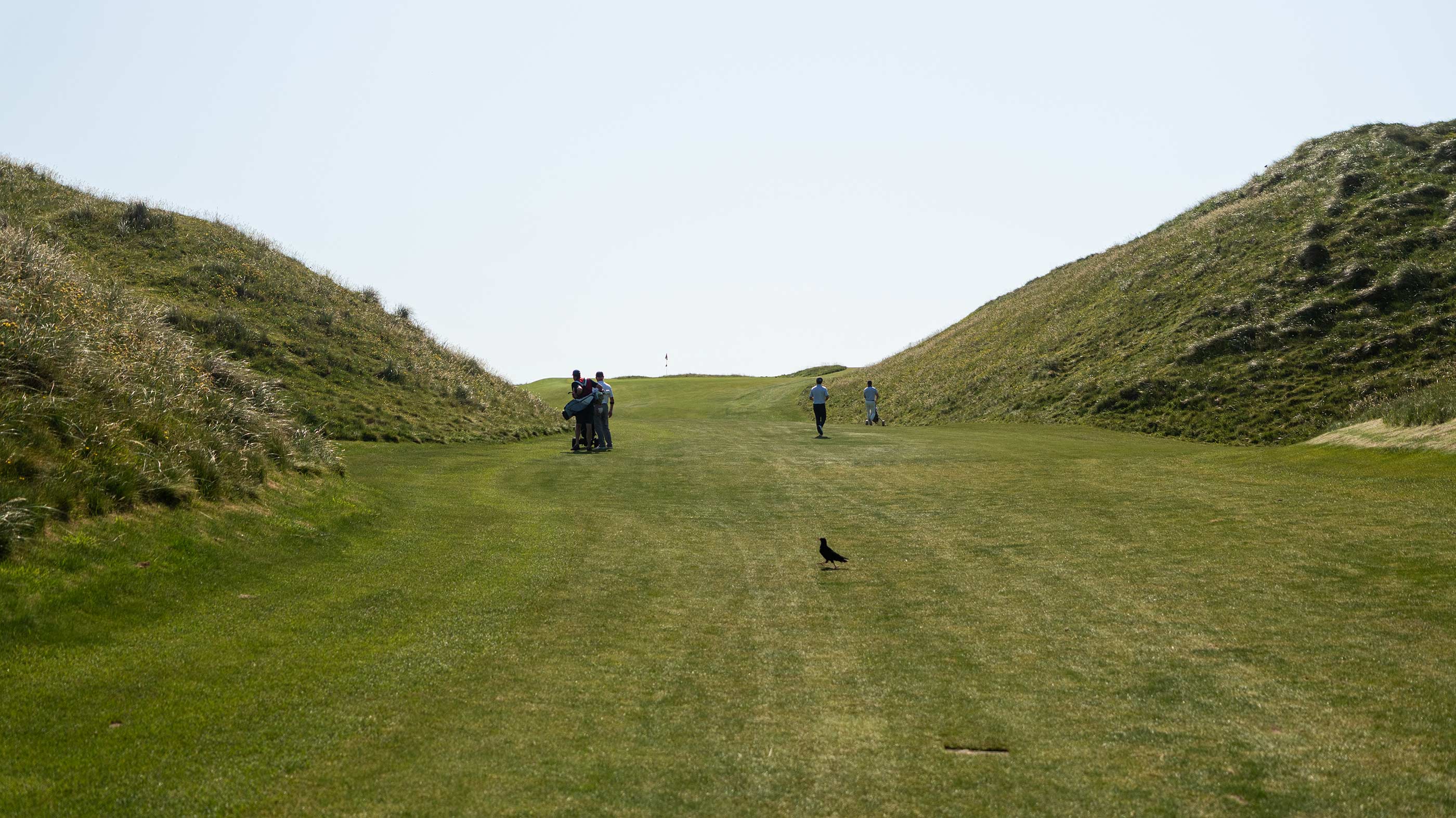
The Devil’s Elbow, they call it, but not for Ian Woosnam, who denied the 4-iron from his caddie and put his drive on the green, per our caddie that day). The 17th is otherworldly but it requires some restraint (if you aren’t Woosy).
Hole 18
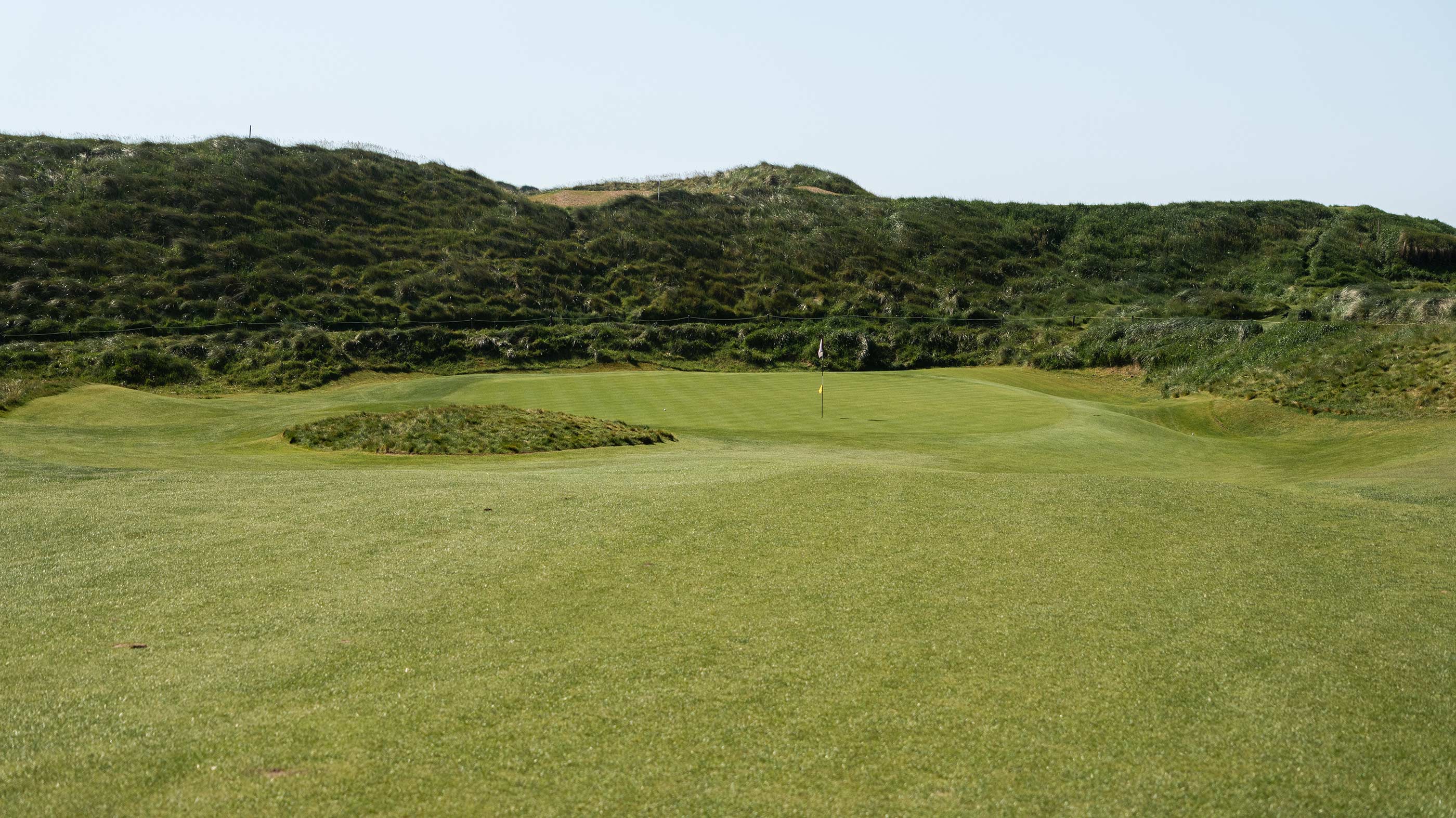
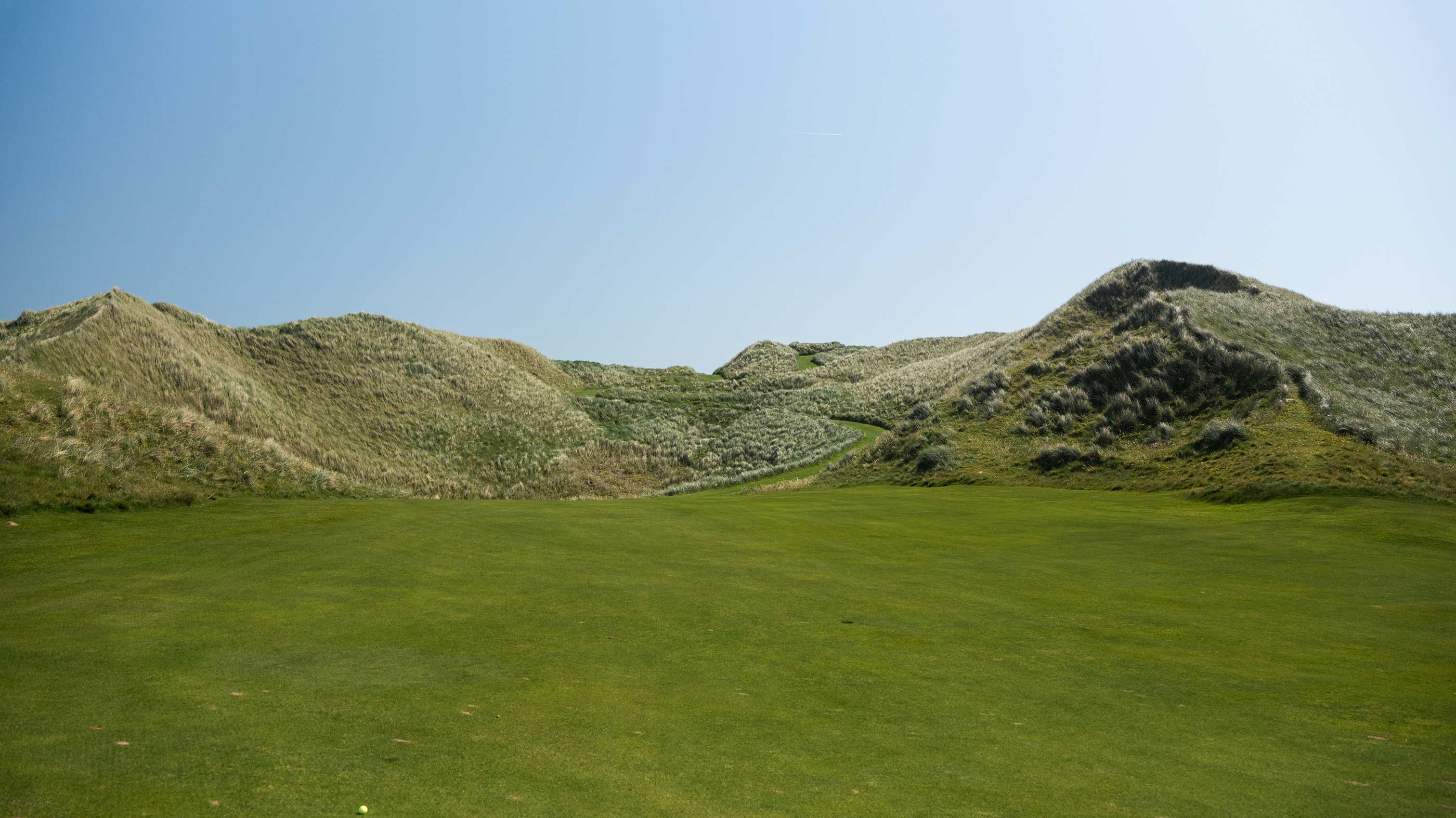
Avoid the Sahara bunker at all costs. Finishing through the towering dunes is quite spiritual late in the evening.