
Aaron Wise Q&A: On His PGA Tour Return, Mental Health, and His Caddying Wife
A wide-ranging interview with the PGA Tour winner and NCAA champion
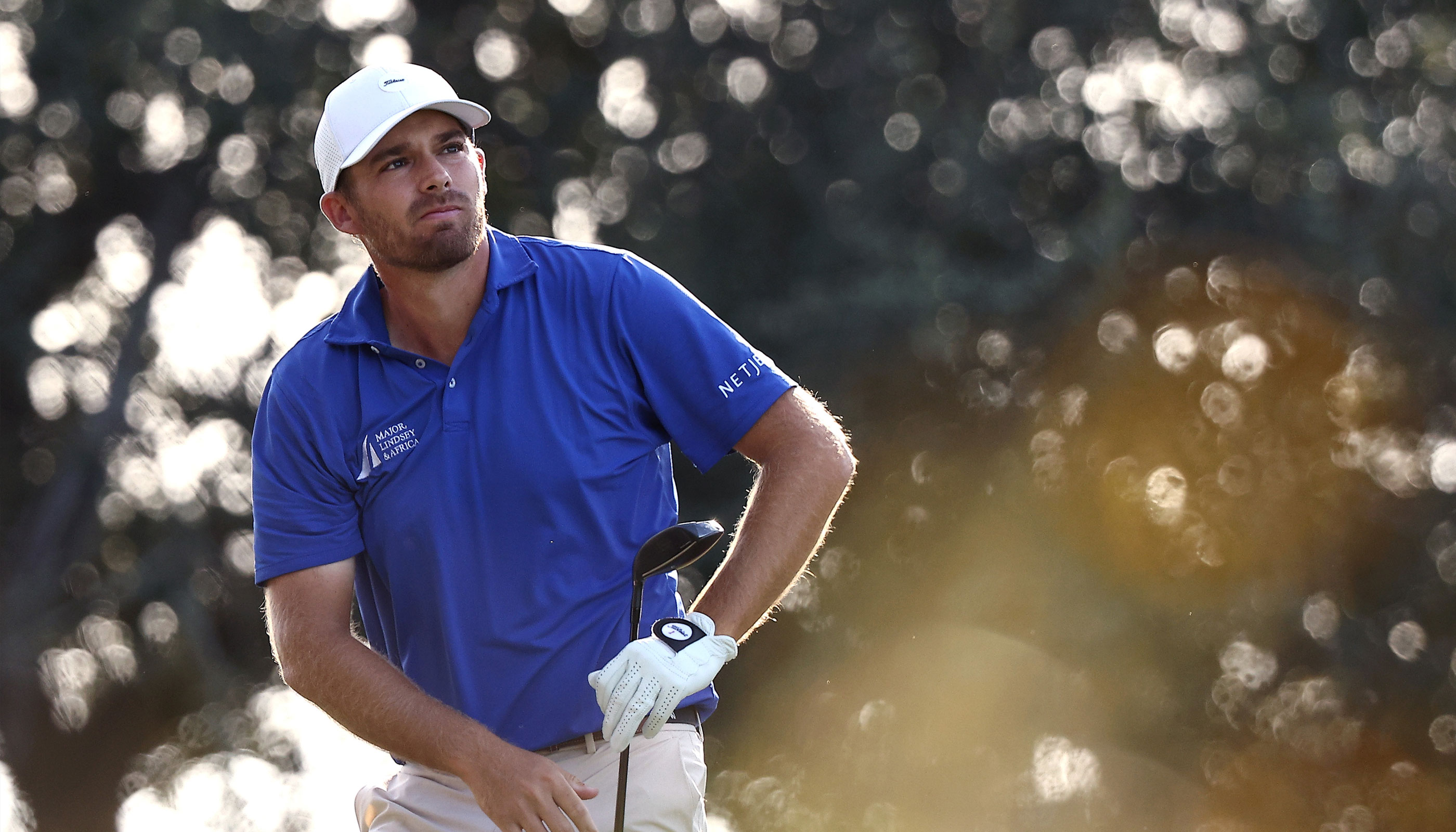

In 2016, Aaron Wise won the individual national title as a sophomore and helped lead the University of Oregon to its first NCAA Div. I men’s golf national championship. Two years later, he earned PGA Tour Rookie of the Year honors for his 2018 season, highlighted by a win at the AT&T Byron Nelson at Trinity Forest Golf Club.
But by the spring of 2023, Wise sensed that something was wrong. He wasn’t feeling like himself. He didn’t want to leave his house, spend time with friends and family, or even go to the golf course. Just seven months removed from making it to East Lake, Wise announced that he was withdrawing from the Masters to focus on his mental health.
After making just one start in 2024, Wise returned to professional golf in the spring of 2025 on a Major Medical Extension granted by the PGA Tour for his mental health struggles. This week, the 30-year-old enters the final event of the FedEx Cup Fall ranked 167th in the standings, fighting to retain his Tour status as his medical extension expires.
At last week’s Austin Championship, I caught up with Wise on the driving range to discuss his return to golf, having his wife on the bag, the Tour’s approach to mental health, and more.
How has your experience been returning to professional golf?
The best part has been the people, the camaraderie out here. People understanding what I went through and feeling support from the golfers out here. The hardest part is that I took two years off from competitive golf, and a lot of rust made its way into my game, down to all the little things we do on a day-to-day basis to stay sharp. Prepping for different weather conditions, course conditions. I had kind of forgotten how much work it takes to play at this level.
But as hard as some of that has been, it’s also been exciting because I love to push myself.
MORE Q&A's: From Patrick Reed and Frank Nobilo to Mike Clayton and Edoardo Molinari
For those who may not be familiar with your story, can you explain what ultimately led you to step away from golf and how you reflect on that experience now?
It really came down to the way I was feeling off the golf course. On the course, it’s obviously frustrating when you’re not playing well. You get mad. That’s just part of golf. But when I started feeling like I didn’t want to see my friends anymore, or that I didn’t want to leave the house, or I didn’t want to go practice because that would mean being around people, that's when I knew there was something bigger going on mentally that transcended golf.
That’s when I decided it was time to take a step back. It was really tough to do because I was in all the top events at the time. I was about to play in the Masters, and I had been playing so well through the previous fall and made it to (the Tour Championship).
It was kind of a shock, but I'm really glad I did it. Where I am now, golf aside, just as a human being, I feel way better, and I feel way happier.
Now it's just about getting used to being back out here. But as a person, I know that it was a great decision.
Before NFL quarterback Andrew Luck decided to step away from the game, there was an anecdote about him being out at dinner and realizing he wasn’t behaving like himself. Were there any stories you identified with or people you leaned on to help you make your decision to step away?
When I first started going through it, I listened to a bunch of podcasts and heard stories that made me feel like what I was going through was normal in a way. Other people had experienced similar things. I'm not the first one.
The scary part was that for a lot of people, stepping away ended their careers. And then other people made it back. I didn't know which one I was going to be. My priority became putting in the work, taking the right steps to get back to being myself mentally, and then eventually reintroducing golf into the equation. Kind of baby-stepping all the way back to where we are now.
Was it difficult to withdraw from the 2023 Masters?
It was very difficult, yes. That's the tournament. At the time it was also easy, though, if that makes sense. I felt so bad and so unlike myself. It was a lot like the Andrew Luck situation. I didn’t want to be there. With that tournament being such a big and cherished event, and with the way I was feeling and how I was playing, I didn't want to go play in it.
But of course, you’re going to try to compete because it's the Masters. As soon as I made the decision to withdraw and knew I wouldn’t have to compete in it, I felt a huge weight lifted off my shoulders.
At that point, I still had no answers as to what was going on with me. Why do I feel this way? How do I get back to feeling good again? It's taken a long time and a lot of work, but I feel like I'm getting there.
Your wife Reagan has been caddying for you. What went into the decision to have her on the bag, and what has that dynamic been like?
It really came down to comfort. Coming back out here, I didn’t know how things were going to go or how I was going to feel, and I just wanted my best friend by my side. She’s never played golf. She didn’t know anything about golf. So I do all the numbers and all the strategy, which is something I feel like I’ve always been good at. I don't necessarily need a caddie leading me around the golf course.
I still have up-and-down days, so it's been really nice having someone next to me that I can be 100% honest with and tell her how I’m doing and feeling. She's a really smart girl. Even though she doesn't necessarily know golf, she knows me and can figure things out with me.
It’s been awesome to have her on the bag.
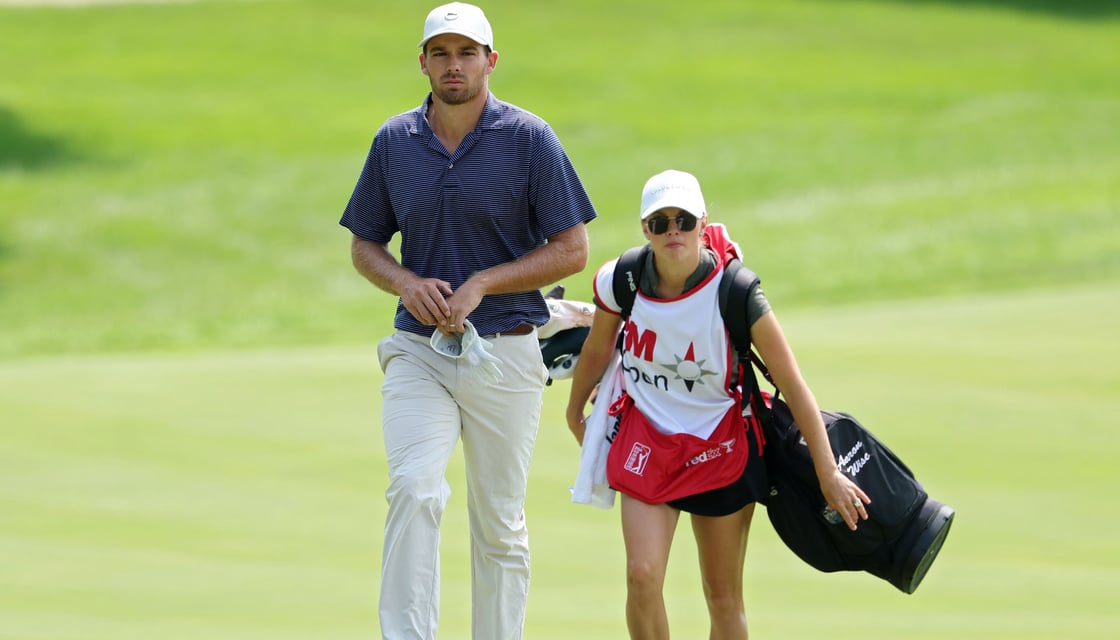
Has she made any comments to you on the golf course that have surprised or amused you? Anything she’s picked up on?
She leaves the golf stuff to me. One time, I was on the cutline and had a tricky second shot into a par 5 out of a bunker. The lie was a little dicey, and I asked her what she thought. She was like, “No, absolutely not. You do not get to ask me that.”
There have been some funny moments like that along the way, but it’s been really nice having her right by my side.
If you were running the PGA Tour, are there any changes you would make to its policies regarding mental health?
I feel like they've done a good job. Making decisions around mental health is kind of a recent consideration. When I stepped away, I honestly didn't know if I would receive a medical exemption. I don't think anyone had received a medical exemption purely for mental health before that. I know there have been a few since, and that they handle them on a case-by-case basis.
It's tricky to handle because you don't just want someone who’s playing poorly to decide to take time off. On the other hand, if someone is having mental health issues that are affecting their life, you don't want to force them to keep playing.
It’s not easy. At least in the cases I’m aware of so far, I feel like the Tour has done a good job. But obviously it’s fluid, so we'll see how they keep doing.
There’s been a lot of discussion lately about a youth wave — Blades Brown, Jackson Koivun, etc. What advice would you give a young golfer who may not know what to expect as they adjust to a professional lifestyle?
A lot of them today are so much more prepared than even someone who turned professional as recently as I did because they’re getting sponsor exemptions, they're getting paid in college now, they have sponsors. They’re so much more ready now than they were before.
I’d just say that you really have to love what you do out here. It is a full-time job and a lot of work. You spend half your year traveling and put in long, long days working on your golf game. If you don't love what you’re doing, it's going to be a long grind.
If they’ve made it this far, they probably do love it because it takes a lot of work to get here. So just keep doing what you're doing.
Do you love golf? Did you fall out of love with it?
I never fell out of love with golf. I fell out of love with how I was feeling.
Yes, I was playing bad golf, but now, even when I play bad golf, I love the process of trying to get better and learning how to get better.
So no, I never fell out of love with golf. I just didn't love the way I was feeling at the time as a human being.


Engage in our content with thousands of other Fried Egg Golf Members


Bryson DeChambeau Likes and Subscribes to the DP World Tour
Tiger Woods and Groundhog Day
Weekend Round-Up: Rory McIlroy's Record Win, Patrick Reed's PGA Tour Return
Nelly Korda Isn't Caitlin Clark. That's Okay!

Weekend Round-Up: Jon Rahm's Return and Blades Brown's Record

LIV Golf and Looking Back in Anger
Get full access to exclusive benefits from Fried Egg Golf
- Member-only content
- Community discussions forums
- Member-only experiences and early access to events