
A Great Weekend for the Future of American Golf
On Blades Brown, Michael Brennan, and 20 new PGA Tour members
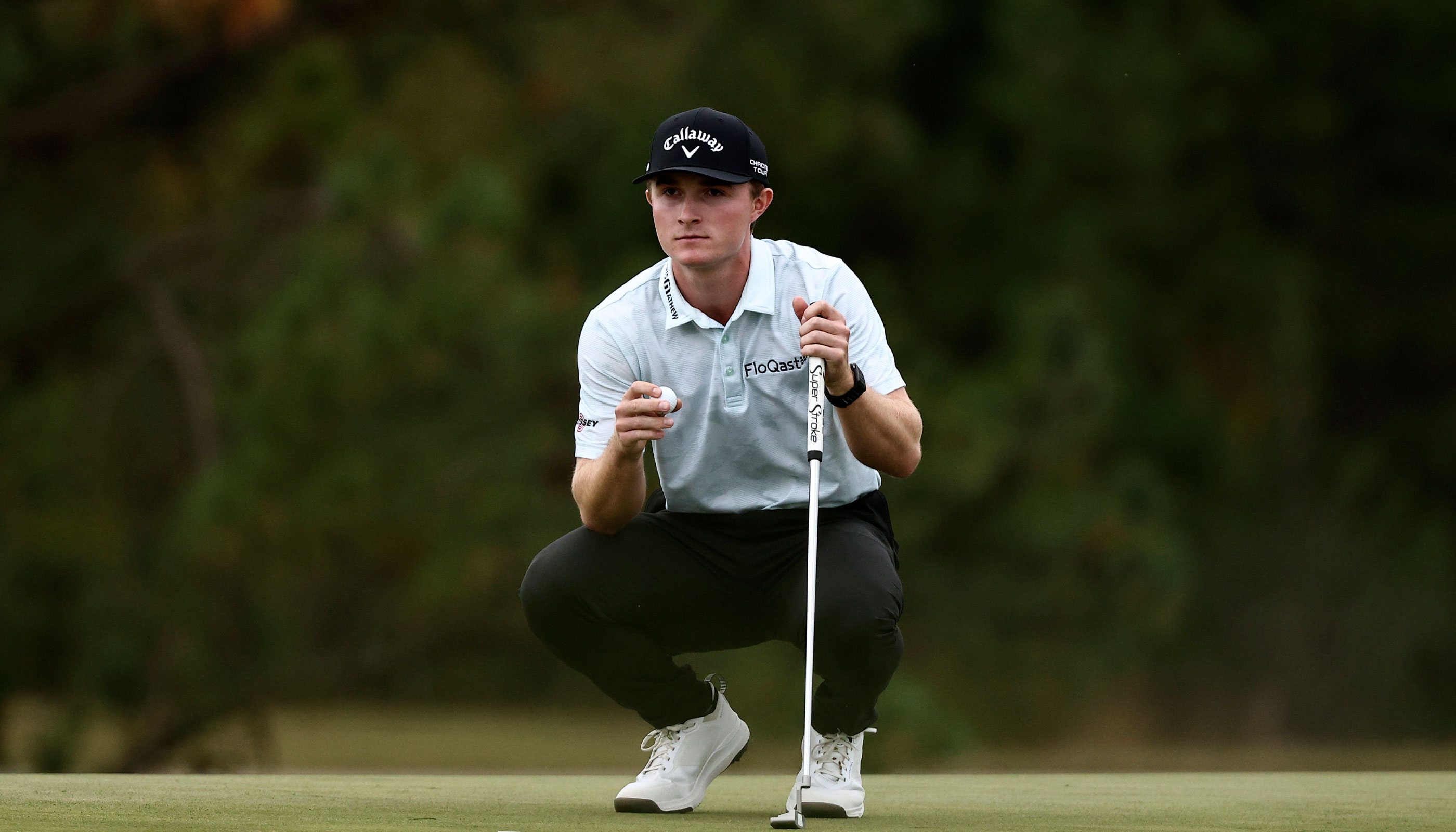

On Sunday afternoon, Blades Brown became the youngest player in PGA Tour history to earn a Tour card via the Korn Ferry Tour at 19 years and four months, supplanting Jason Day’s record (19 years, 11 months).
Brown entered the season-ending Korn Ferry Tour Championship 14th on the points list, virtually assured of finishing inside the top 20 and earning a PGA Tour card. A runner-up finish in the finale moved him all the way up to ninth.
Given everything Brown has accomplished over just the last two years, the hype train probably deserves more steam than it has. But an abundance of young talent in the game, combined with the limited visibility of Korn Ferry Tour success, has somewhat understandably left Brown overshadowed in discussions about the best young players in the sport.
Put him at or near the top of that list, and it is hard to argue against. His trajectory is rare territory.
Less than two years after turning professional at 17 with no status on any major tour, Brown has earned full PGA Tour status. Beyond that, his play on the Korn Ferry Tour and limited PGA Tour appearances indicate his game is already good enough to compete at the highest level. Back in January, he played his way into the final group at the American Express, a result that may be forgotten to history since he slipped to T-18 after a rough Sunday. In 11 total PGA Tour starts this year, he finished in the top 20 seven times.
{{related-articles}}
Every player’s path to the top of the world rankings develops on its own timeline, but by and large, the best players tend to reveal themselves early. At 19, Brown demonstrated pretty definitively that he doesn’t belong on the Korn Ferry Tour. His skill level is already beyond it. Finishing inside the top 10 in points without a win testifies to the consistency of his skill set, and his PGA Tour results are only further evidence of a golfer who is ready for a bigger stage.
His trajectory would be exciting for a 24-year-old, let alone a teenager whose game should improve substantially over the next couple of years as he matures physically and develops his skills.
Elsewhere at the KFT finale, two players entered the week outside the top 20 and played their way into PGA Tour cards. Davis Lamb finished solo eighth to grab the 20th and final spot. Austin Hitt entered the week on the bubble in 22nd place and went out and won the tournament, vaulting all the way up to sixth in the final standings.
Afterward, Hitt was emotional as the gravity of the accomplishment set in. He also was quick to mention his father, who was instrumental in his golf career and passed away in 2024.
“I was so nervous yesterday, I couldn't sleep last night,” Hitt said. “I wish (my dad) could be here.”
Brennan and the Baycurrent
Blades Brown wasn’t the only young American talent to impress over the weekend.
Twenty-four-year-old Michael Brennan won the Baycurrent Classic in Japan by a stroke, good for his third PGA Tour win in the last 12 months.
Curiously, down the closing stretch of the tournament, Brennan and playing partner Jacob Bridgeman teed off out of order. Bridgeman should have had the honor after birdieing the 15th hole. Neither Brennan nor Bridgeman seemed to notice or care, but the situation was greatly amusing to the telecast, which was firing on all cylinders throughout the weekend.
There is such a deep pool of young talent in the game right now — Jackson Koivun, Michael Thorbjornsen, Tom Kim, Blades Brown, and even amateur Miles Russell — that perception of the best young talents in the game seems to change whenever one of them wins. While Brennan may not belong at the very top of that list, his performance in Japan was a reminder that the Wake Forest product shouldn’t be overlooked in conversations about the best young golfers in the world.
Truly elite players generally have at least one superpower, and Brennan certainly does. His driving is as strong as just about anybody’s, a lethal combination of speed and accuracy. Brennan’s ball-speed average of 187 mph was sixth on Tour this year. In Japan, he led the field in driving accuracy, hitting 55 of 60 fairways, including all 15 in Sunday’s final round. When his putter cooperates, he is a dangerous threat in any field, especially on golf courses that allow him to flex his driver as a weapon.
This was the second edition of the Baycurrent Classic at Yokohama Country Club, a venue that continues to shine. Knowledgeable locals tell me the Coore & Crenshaw remodel is the best golf course in Japan, and it is easy to believe. Between the course, the food, and the crowds, the stop seems to be a favorite among the touring pros willing to make the journey.
“On the range, the stands are packed,” Brennan said on Friday. “A lot of people are here, more than maybe I expected. It's very busy, but everyone's just super polite. It's been fun getting to kind of experience the Japanese culture in person.”
The more we learn about the PGA Tour’s future competitive model coming in 2028, the more apparent it seems fall events — whether on the DP World Tour or PGA Tour — could be considerably more compelling than the Tour’s B-level Challenger Series. If you’re a sponsor, would you rather invest in an event that the top players on Tour are restricted from playing in or a fall tournament with greater flexibility over its field size and eligibility?
The venue is outstanding, and while a 2:30 a.m. ET finish may not be the perfect television window for many American-based fans, those who made the effort to watch this weekend were rewarded with an awesome viewing experience.
Hopefully the Baycurrent Classic is an event that the Tour prioritizes elevating moving forward. It has the ingredients to become something more special than it already is.




Winners and Losers from LIV Golf 1.0
It's Too Soon for Jon Rahm's LIV Golf Retrospective
Lauren Coughlin's Brush With Perfection
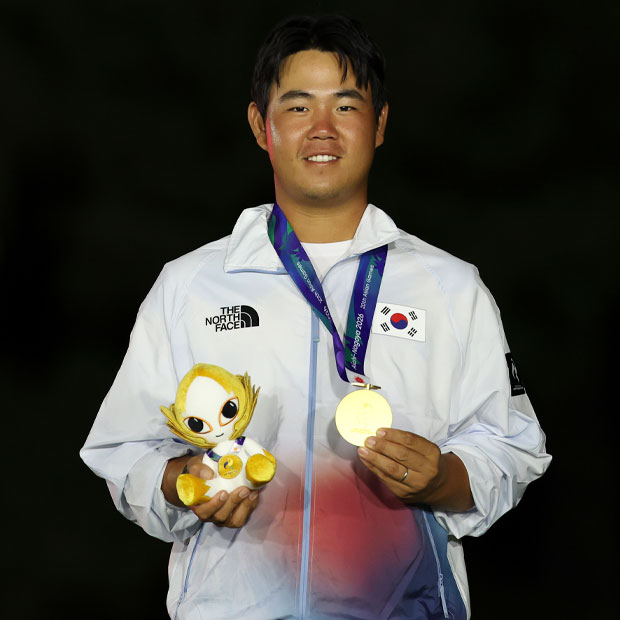
Weekend Update: Tom Kim Earns Military Exemption, Michael Block Stumbles
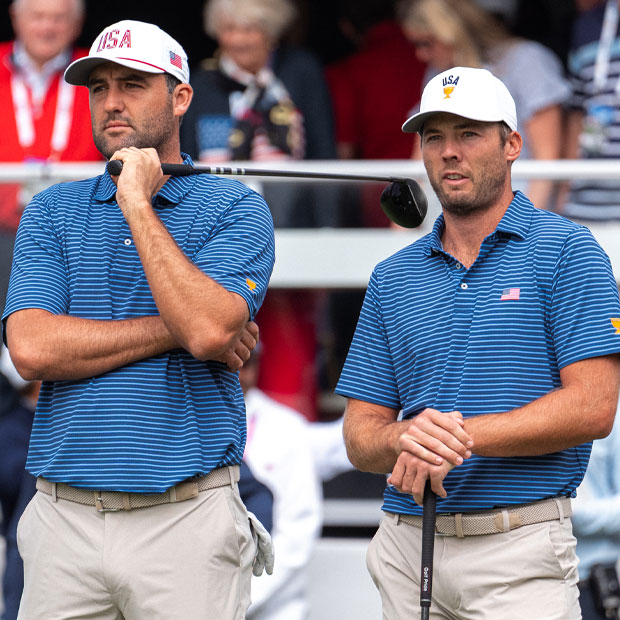
How Can Team USA Solve a Problem Like Foursomes?
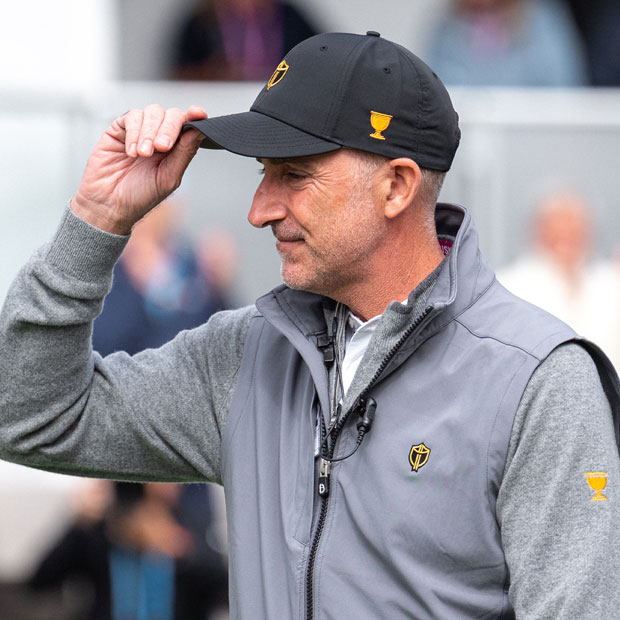
If Not Now, Then When for the Internationals?
Get full access to exclusive benefits from Fried Egg Golf
- Member-only content
- Community discussions forums
- Member-only experiences and early access to events