
The House That Lanny Wadkins Renovated
Evaluating the new-look PGA Tour host


The PGA Championship may have been a major, but for true sickos, TPC Craig Ranch week is Super Bowl week. The golf course has taken plenty of arrows over the years — for good reason — and was undoubtedly one of the worst venues on the PGA Tour. Entering this year’s CJ Cup Byron Nelson, however, it has undergone a complete renovation under the stewardship of Lanny Wadkins. So for today’s weekly update, let’s take a high-level look at what to expect at the House that Lanny Renovated.
Reimagining TPC Craig Ranch
Before diving into the changes, a quick word on Texas golf. As far as I’m concerned, designing pro golf venues in Texas is about as difficult as anywhere in the United States. Conditions change rapidly in Texas, yet the golf course is still expected to provide a strong test no matter the weather. It’s sort of an impossible assignment.
Courses need enough width and space to accommodate all conditions. Blustery weather requires larger landing areas than calm conditions because players’ dispersion patterns widen in the wind. Consequently, when a course has sufficient width for windy conditions but the wind doesn’t arrive, it will play far too easily, especially if the course is also soft. It is a very tricky set of circumstances to navigate, particularly in erratic climates like the Dallas metro area.
This is a dynamic you will see at play at next year’s PGA Championship in Frisco. Fields Ranch East is a wide-open golf course that could play too easily without wind, leaving the door open for significant wave splits over the first two days.
Point being: building a strong professional golf venue in Texas is a challenging task, especially when the soil isn’t sandy and doesn’t drain well. We haven’t seen a single shot hit on the newly renovated TPC Craig Ranch yet, but based on the plans, what does it look like Wadkins got right?
A host of changes were made, but the main ones were: overhauling the agronomy, installing new drainage, redoing the greens, adding a bunch of bunkers, and relocating green sites closer to natural hazards.
At a high level, I like many of the changes Wadkins made, at least in theory. Replacing the Ryegrass rough with Bermuda is a meaningful improvement that will make the course drastically more difficult in dry conditions. Bermuda is a much trickier grass to play from than Rye. As for the green complexes, those are much more difficult to assess until we see them in action.
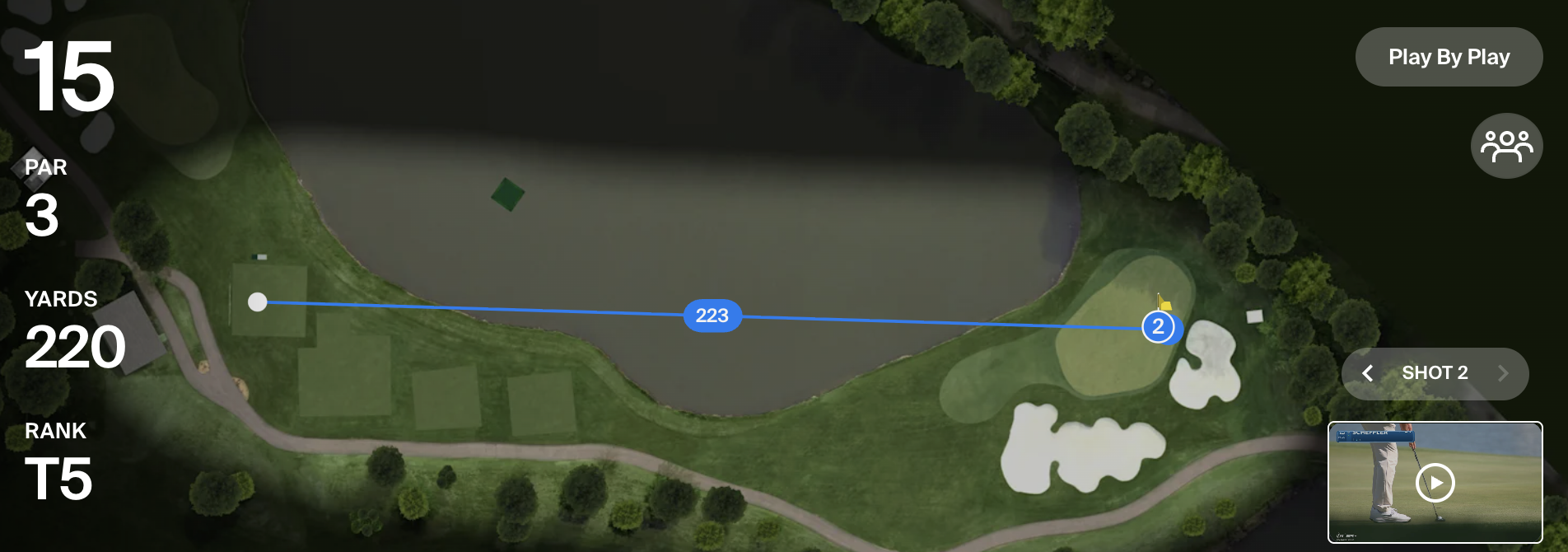
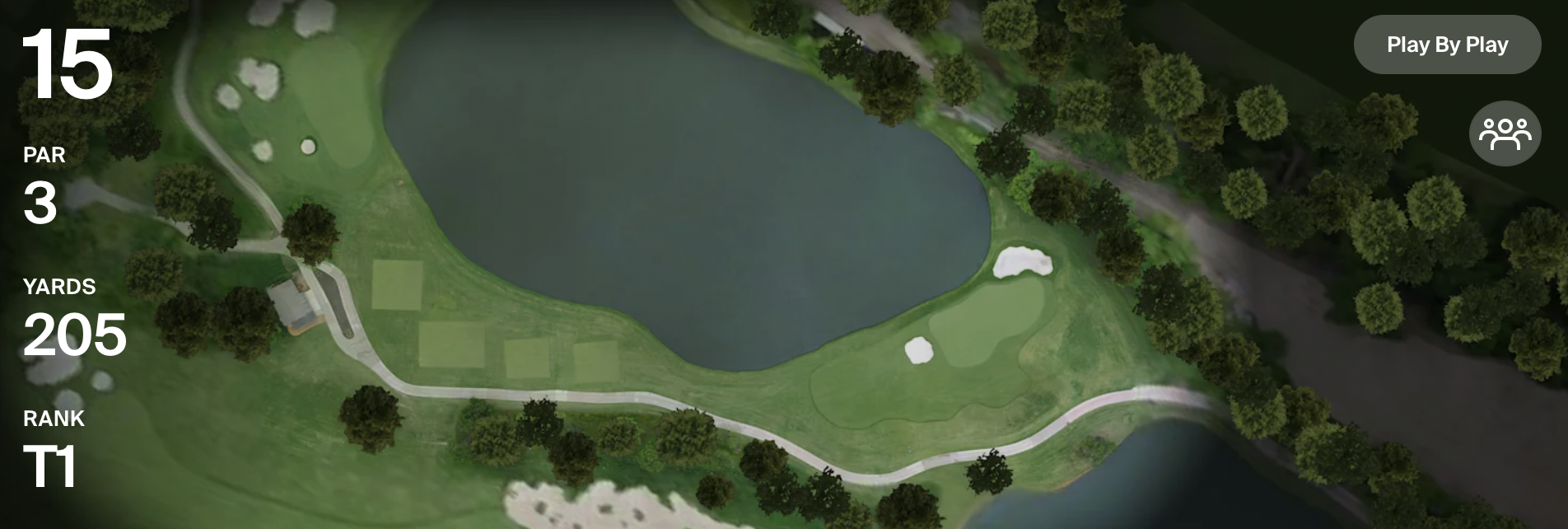
Arguably the best change Lanny made was better engaging the course’s natural hazards, moving several green sites closer to water hazards. There should be a thin margin between successfully executing a shot and finding a penalty area, not a large buffer shielding slightly errant shots from consequence. No. 15, for example, is now a much stronger challenge, with danger much more in play for a left miss.
No. 6 is also dramatically improved aesthetically, which admittedly isn’t saying much, because the previous bunkering was some of the most hideous you’ll ever see on a golf hole. Seriously, what the hell was going on there? One of the left-hand bunkers was 25 yards away from the fairway, floating in the rough! A quintessential example of hazards failing to engage the land. The previous version legitimately offends me, an assault on all five senses. Six, if common sense counts.
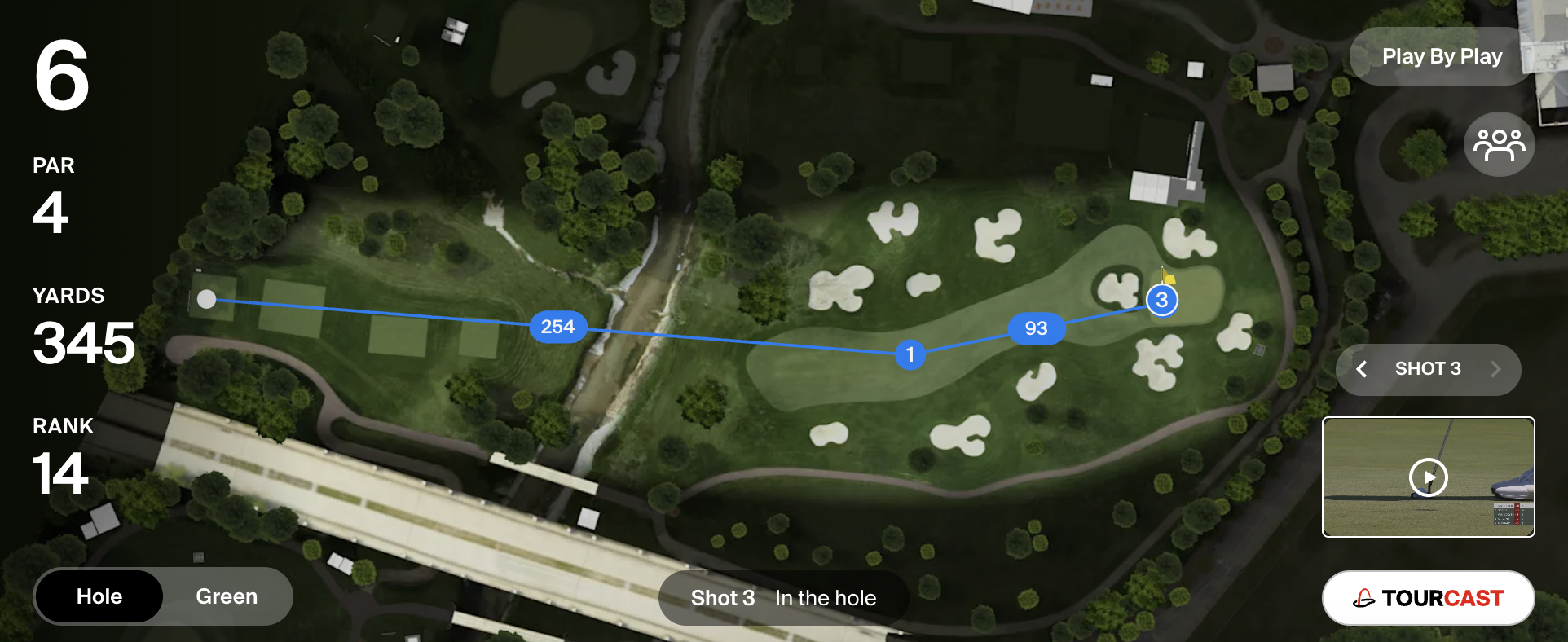

Unfortunately, the full scope of Wadkins’ changes will be difficult to assess this week because rainy, sloppy conditions are going to mute much of the redesign. But at least on paper, the philosophy behind the renovation comes from the right place: tighten the interaction between green complexes and bunkers, and move green sites to better engage natural hazards. Is it a good golf course now? Time will tell. But at least it’s a better, substantially more difficult one.
As for the philosophy behind spending $25 million on the renovation? That I cannot co-sign. David Pillsbury, CEO of Invited Clubs, the operator of TPC Craig Ranch, made a pretty astonishing admission on that front.
“The economics probably justified a $10- to $12-million investment,” Pillsbury said. “But we had to make a statement. We realized that to do it right and to make the sponsor happy and secure the long-term future of the tournament, we need to probably spend twice that.”
Oy vey. Some things are better left unsaid, Mr. Pillsbury.







Surveying the 2026 Presidents Cup Landscape for Team USA

2026 Major Championship Grades
Weekly Update: Shinnecock Hills Setup, Miles Russell, and Ryder Cup Captains
Tiering the Best College Golfers of the Last 15 Years

2026 PGA Championship Contenders

Weekly Update: Golfers as NBA Playoff Teams
Get full access to exclusive benefits from Fried Egg Golf
- Member-only content
- Community discussions forums
- Member-only experiences and early access to events