
A Conversation with Rory McIlroy
A wide-ranging interview with the world No. 2 on the Ryder Cup, new career goals, his legacy, and more
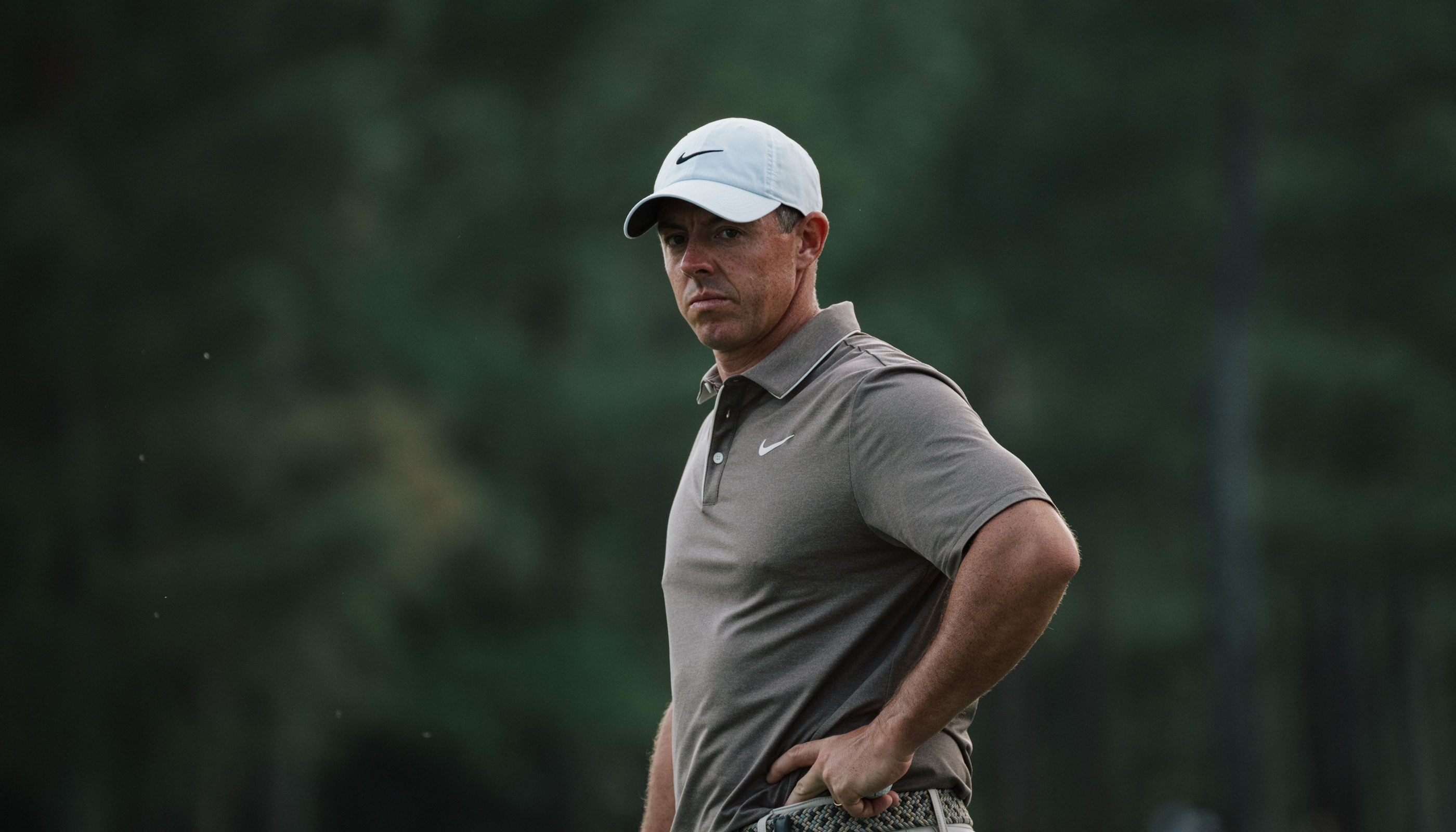
Ahead of the 2026 Genesis Invitational at Riviera Country Club, Rory McIlroy sat down with Fried Egg Golf for a wide-ranging discussion on the world No. 2’s career and future. Rory dishes on what motivates him as a 36-year-old player who has accomplished just about everything a professional golfer can, what he’s learned about himself over the last few years, his favorite fruit, and plenty more.
Full Q&A
What motivates you at age 36?
I think I have needed to ask myself that question, especially after what happened last year and the Grand Slam, because that was really what motivated me for the last decade. And not just that, obviously there's other things you want to achieve in the game, but I guess the guiding light was that.
It's probably taken me a while to figure out where I wanted to go from here and what my priorities were. But I think as time goes on, I want to leave a legacy in the game. And I don't know if this is ego or if this is just — I think sometimes I give myself goals or I give myself these motivations and I think to myself, well, are these my goals or are these goals that people have made for me?
I've thought long and hard about it, and I actually, I had a chance to have dinner with Roger Federer a few weeks ago, and he framed the question a little differently to me. And it just made me think about it a little bit differently. And I was asking him when he got to a point in his career when he achieved everything he really wanted to, what was the motivation to keep going? And his answer was great and it had to do with Pete Sampras. When he got to 15, which was past Pete's 14, he's like, ‘Well, 20 didn't seem that far away.’ It's the same thing for me. I've got the five majors, you know, I don't think it's out of the realm of possibility that I could win every major twice, which would be a really cool thing to win the Grand Slam twice. I've always been very hesitant to put a number on it because if you don't get to that number, does that mean you're a failure? Does that mean that you haven't done what you set out to achieve? But then at the same time, if you put a number out there, I'm not saying that I'm gonna put a number on it, but internally, if I have something I want to do and I don't quite get there, but I at least finish a little further ahead than where I do right now, then it was worth trying to get there. So I think that's where I'm at. Are there a certain number of majors I'd like to win? Yes. Am I going to put that number out into the world? Probably not, because I don't need my goal to become other people's goal, a little bit like what the Masters really became for me over these last 10 years.
I want to leave a legacy in the game and I've talked about wanting to be the best European that's ever played the game. People have different barometers about what that is, but it's really like Faldo and Seve. I feel like in the game I've been able to pass a lot of the things that they did, but then there's probably other things that I need to do to cement my place in that spot.
When in your life did you sit down at tables with people like Roger Federer and be like, ‘Yeah, I deserve to be here, I've earned this spot’?
I probably still don't. I probably still have a little bit of imposter syndrome that, wow, this is my life and this is what I do. But I think as well, having a conversation like that with someone that's done it all, okay, it's in a different sport, but he's lived it, he's been through it, he played the game to a very high level for a very, very long period of time. Just to get his thoughts on how he thought about the last phase of his career, it's such a wonderful opportunity that I get to do that, and I feel incredibly fortunate that I do get to do it.
What do you feel like you've learned about yourself in the last few years?
That I'm more like my dad than I thought I was. I'm an eternal optimist. I try to see the good in everything. I try to find silver linings anywhere that I look, and that's definitely an attribute I get from my dad. And I think to have the longevity that I've had in this game, I think you have to be that way. Because people frame it as resilience, but I don't really think it is. It is resilience in terms of bouncing back from setbacks and coming again and performing, but honestly it's about having hope and seeing the good in things. That's where my resilience comes from. It's not from this grit and determination and this macho alpha side of myself. It's just more that I believe good things are going to happen. And I don't know if that's a good sort of naivety to live life with or not, but all I can say is I'm more like my dad than I thought I was.
Did he seem wiser and smarter as you got older?
Absolutely. I think ever since I've become a father and had to be a parent, not that I didn't appreciate my parents, but you just appreciate them so much more.
What do you think they gave you that you wanted to pass on to Poppy as a dad?
Her independence, I think, is the big thing. I want her to make her own mistakes. I want her to learn from her own mistakes. I don't want her to go through life or especially the early years of her life being so sheltered and so hovered over that she doesn't get to make mistakes and she doesn't get to learn from those and grow from those. That, to me, is a big deal.
Does any of this seem like it went by faster than you thought it would?
Yeah, way faster. I was telling a story the other week where I remember when I just turned pro and I got my very first European Tour money clip. I remember looking at it – Member, European Tour, 2007 – and nearly 20 years later, here we are. Honestly it’s went by in a blink of an eye. It's crazy.
I often think about that story you told Paul Kimmage about sitting in Tokyo or wherever eating Pringles and tearing up and being like, ‘I'm very lonely. This life isn’t like what I thought.’ What do think you'd tell that version of yourself now?
I was 18. I think all younger people live their life way too moment-to-moment instead of taking a longer view and looking at the bigger picture. I would say just take the long view. Take the long view of it. I lived and died by every round of golf that I played, by every decision that I made, and as you get older, you learn not everything is life and death in this certain moment. You can relax a little bit and know that you have time and be okay with failing as long as you're trying your hardest and just keep going.
What kind of relationship do you want your daughter to have with the game of golf?
I think it's easier for me to say what the relationship is I don't want her to have with the game rather than the one that I do. I certainly don't want it to be something where that's the only way she feels like she can spend time with me. So there's that part of it, but then I'd like her to enjoy the game. I would like her to get joy from playing, whatever that means. She has taken a bit of an interest in the game. She's got a nice little swing and she likes going out there and hitting balls. Loves TGL as we were saying before we did this interview. I just want golf to be one part of her life, but I don't want her to have to think that she has to play golf to appease me or spend time with me or the only way to get close to me, because that I've done a horrible job as a father if that's what she thinks.
What kind of questions does she ask you about the game?
She's very observant. She can take a conversation that Erica and I had just between us three weeks ago that she's overheard and say, “Remember when you said that, what does that mean?” And it just completely catches you off guard.
She’s observant of the world around her. I think we've done a really good job of cultivating that in her because we don't really let her have screen time. We're very big on like no iPads in the house. My wife, Erica, more so than me, but I can see the benefits as she gets older. So I think being really curious of the world around her and asking questions around that, I think, is one of the things that we've been able to cultivate, which is really cool.
{{inline-article}}
What is some advice that someone has given you that you've tried to adopt in your life in recent years?
I would say, and this is sort of cliché, but go with your instinct. Sometimes I do that a little too much or too much on gut feel, like on the golf course, for example. I would say my general disposition is probably a little more impulsive, so I sometimes have to rein myself back in. I feel like I've never made a terrible decision when it's been on gut instinct. I've made bad decisions when I've overthought things.
I know to be from Northern Ireland and to be Irish are very different or complicated things, but what do you think it'll mean to Ireland to have a Ryder Cup in a couple of years?
I think it'll be a big deal. It'll be 20 years since we had it last. I remember going to that with my dad and watching the Sunday singles.
I think Ireland has done an unbelievable job in developing players, and you see some of these players come through, back from Padraig Harrington, Darren Clark, Paul McGinley, Graeme McDowell, myself, (Shane Lowry), Tom McKibben now, for example, and hopefully it continues. We've done a really good job of being able to inspire the next generation and hopefully what the Ryder Cup does is inspire the next generation of Irish golfers. That would be a great outcome from the event.
What kind of captain do you want to be when that call comes someday for you?
I've been very fortunate to play under a lot of different captains, a lot of great captains. I'd like to think that I would take a little bit from each of their captaincies. Watching (Luke Donald) turn into the leader that he has become over the last four years has been absolutely incredible. And I've been very close with him on that journey. To see what a leader Paul McGinley was in Gleneagles in 2014, Thomas Bjorn in 2008, they've all had their attributes, and I'd like to think I could take a little leaf out of every one of their books and try to put it into my captaincy. In the Ryder Cup, I've always tried to lead by example from a player perspective. Just because I may be the most senior on the team or the one with the most accolades, that doesn't mean that I don't show up first for team meetings. I've always said this, but I Rasmus Hojgaard or Bob MacIntyre to look at me and think that they're on the same level for the week. To try to create a culture where there's no hierarchy within the team is something that would be really important to me.
Golfers are individual people and individual sports people, so let them be who they need to be to get the best out of themselves. I don't want to put so much structure in that people don't feel like they can be themselves or get the best out of themselves. So definitely try to be a little more – like one of the things McGinley was so good at is he had to treat me very differently than he had to treat Victor Dubuisson, for example. But to see him do that and some of the things he did for Victor to make him feel comfortable in that environment, that's something that I'd want to do, as well.
Is the Ryder Cup in a good place after what happened in New York?
It'll be in a ... yeah, it is. I think from a competition standpoint, it's amazing. It's the biggest rivalry we have in our game.
I think the spirit in which the game is played could change, and that's something that we're going to hopefully address in Ireland next time around. Because the Ryder Cup was created to be played in a certain spirit, and I don't think it was played in the right spirit in New York. Between the players, it probably was, but obviously what happened with the fans went over the line in some places. Just trying to pull that side of it, that part of it back a little bit, and just have people understand that our game is a little different than other sports, and I think that's what makes it so great, and that's a good thing. Golf doesn't need to be like these other sports. It's got enough great attributes to stand on its own.
You’ve talked about the cathedrals of the game that had some importance and meaning to you, and you checked off a few of them with Pebble Beach and Augusta National. What's left?
St. Andrews is the obvious one. I've really started to relish these old-school U.S. Open tests over the last few years. I'm excited to go to Shinnecock this year. I think that the schedule or rota of courses that the U.S. Open is going to go to for the next few years really excites me. I'd love to win another U.S. Open on one of those iconic, traditional U.S. Open golf courses. Somewhere like a Merion, it's got so much history. There's so many. We're going back to Birkdale this year. It's one of the best courses in the UK. Just where some iconic moments in our game have happened, but then also where some of the best players over the course of the generations have played and won at, as well.
You’ve won the Players twice. What does that mean to you?
The thing that I'm proudest of about winning a couple of Players Championships is my first few experiences around TPC Sawgrass were awful. Hated the golf course, just didn't know what to make of it, cursed Pete Dye every single time I played it. Then I finally started to figure it out. I think the move from May back to March helped me tremendously, as well, even though I had started to play a little better in May. I think going back to the overseed, and the slightly softer conditions which makes the course play a bit longer, plays into my hands. But you still have to be strategic in your game plan around there, and I think I'm proudest of just figuring out that golf course a little bit more.
The Players is an iconic tournament, obviously. All of the best, most relevant players in the world in history have pretty much won the Players, I would say, and it seems like it only gets bigger each and every year, its presence in the golf calendar. I think the one thing that really helps with TPC Sawgrass is the fact we go back to the same golf course all the time, a little bit like Augusta that people know the holes. When people turn on the TV they know what to expect, they know what holes are coming up, they sort of feel like they're playing the golf course with you, so I think that helps a lot.
I started playing there in 2009 and if you would have asked me from 2009 through like 2012 if I thought I'd ever win there, I would have said absolutely not. So the fact that I've went through my career and I've won a couple of them, I'm proud of that.
Is there a shot there that you're particularly proud of or you think of sometimes when you're like, I wouldn't have been able to do that in 2009?
I'd say that little chip 9-iron into 17 last year in the playoff, like super windy, gusting to 30, 35. It's taken me a few years to learn how to hit that shot and control that shot. I'd say for the first at least half a dozen years of my career at Sawgrass, I definitely wouldn't have been able to hit that shot.
Do you have any courses you want to play but haven’t yet?
DLF is still on the bucket list. New South Wales in Australia, I haven't been there. That looks really cool. I haven't been to Bandon. I'd love to go to Bandon and do that. … Fishers Island, another one I'd love to go to.
There are there's so many in the States that I haven't — Chicago Golf Club looks really cool. I haven't been there. Pasatiempo if we’re talking West Coast. There’s so much amazing golf in the United States in general and I feel like I haven't gotten to half of those. Waterville in Ireland, I haven't played. I would love to play there.
When the time comes where I have a little more free time and I'm just playing golf for fun, I'd love to go and do that stuff. Right now I just don't have the time. I took that golf trip to Tara Iti in New Zealand a couple of years ago, which was absolutely amazing. I'd love to do one of those a year and do something like that because that was so much fun.
When you play golf for joy and fun as opposed to a tournament, do you have to turn on a different part of your brain?
Yeah, you have to forget about the score. I sometimes still catch myself being like, ‘I'm like 6 under.’ I have to just completely forget about the score and turn off that tournament golfer side of my brain and just say I want to enjoy this for the company, and the scenery, and the feel of a good strike, and the laughs and everything else. And that's easier said than done.
How do you handle doubt?
Probably with action, with practice and dedication, and trying to put the work in so that that doubt slowly goes away. I think you're always gonna have doubts over important golf shots, but you just have to — sometimes I just think to myself, ‘Well, what's the worst that can happen?’ I still get first tee nerves, especially in big tournaments or big rounds, and sometimes I'll just think to myself, ‘All right, what is the worst tee shot you could hit? Where would it end up?’ And then you think about it and you're like, ‘Well, it's okay. I mean, I could probably go try to find a gap in a tree or play it or get it up and down for power and we move on. It’s counterintuitive, but if I think to myself, ‘What's the worst that can happen,’ it sort of relaxes me a little bit.
What do you make of what Scottie Scheffler has done just the last few years? Why has he been able to do this and sort of draw these comparisons to Tiger and some of the all-time greats?
I don't think it's just one thing, but I think he has no ego when he plays golf. Doesn't really care if he's the longest, if he's the straightest, if he's the best iron player, if he's the best putter. He competes and he gets it done. Sometimes it's not always pretty, but when you add up the score at the end of the day, you're like, ‘Oh, it was a 67 again.’
He doesn't have many distractions. He lives a relatively simple life where he could live a very — he has got access to everything and everyone in the world if he wants it, but he chooses not to go that way. I think that works in his favor. We talked about this earlier, he has a wonderful family, and he has people around him that keep him incredibly grounded. I think his faith is a big part of that as well. He seems to just be in this mindset where whatever happens on the golf course happens, and it doesn't make him any more or any less of a man, and he goes home and he's happy with his family, and he shows up the next day and he plays golf again.
I admire him so much for that because I've experienced in this world where you can be pulled in so many different directions. You have all these other opportunities that you can go and chase. I have quite a curious mind, so I do go and chase those, but then sometimes I do look at Scottie and be like, you know, maybe I wish I didn't have so much going on because it works for him so well.
When he made those comments at Portrush last year — this shouldn’t define me. What is it all worth? — You're a curious person. It's so rare for an athlete of his caliber to step outside of himself and see himself from 10,000 feet. I wondered if you sort of took anything away from that?
I understood it. I empathize with it. And it's true. You get that amazing feeling for, he said two minutes, it probably lasts a little bit longer than that, but life goes on and it goes back to normal.
I had a little dose of it early in my career. I set a goal in 2012 that by the end of the year, I wanted to get to world number one. I achieved it by the end of February. I played well and I got there, and I woke up the next morning and I was like, ‘This is it.’ I still have to go and brush my teeth like everyone else. You think it's gonna change your life, and then it doesn't. And life goes on. It's like, ‘Okay, well, what's the next thing you wanna do?’ I'd say that that experience in 2012 is the closest thing I've had to what I experienced after the Masters last year, like, ‘Okay, where do I go from now?’ You realize that you're still a relatively young person and there's still more that you want to achieve. You have to be very grateful and very proud of the accomplishments, what you've been able to win and what you've been able to do, but then you also have to almost forget about it a little bit and move on to whatever's next.
You've done some stuff over the years to help stay sane, whether it's juggling, reading books, philosophers, this and that. What are you doing these days to take your mind away from golf?
I think having a daughter helps. I think that takes your mind off it a lot. When I'm at home, I have my certain block during the day where she's in school, so you're doing your thing, fitting in practice and business stuff you got going on and whatever else. But then it's a very easy way to forget about all that when you're at home doing other things. I could still do a better job of that and switch off even more, but I think that definitely makes it easier.
To get away from just purely golf, I've got a lot of different business interests now and things that I'm working on. I'm intellectually curious. If anything, I feel like sometimes I take on too much at times where I need to pare it back, but I think I'll always do that just because that's in my nature.
You’ve said a few times you don't see yourself playing golf at 46 and you don’t want to be on the Champions Tour. When you hear Ernie Els say you'll want it when you get to that age, what do you think? Do you think you'll be steadfast in that opinion, or will you reevaluate as time goes?
No, I think I will. I've said a lot of absolutes in my time that I've had to walk back, which I will totally admit, but I've long held that view. I have the incredible privilege of being in three of the four majors until I'm whatever age, however long I want to play, so if those become the highlight of my golfing year from a tournament perspective, that I will be so okay with. I don't want to be a touring professional golfer for the rest of my life. I want to do other things. I want to see the world, and I don't want to see the world just through the lens of golf courses and hotels. I want to actually see the world.
Being a professional golfer is an amazing life, and I'm incredibly lucky, but at the same time, there's things that I haven't done that I would like to do. I'll spend a lot of my time doing those things.
More Rory McIlroy
Favorite Moments from 2025: From Augusta National to Royal Portrush to comments made to reporters, McIlroy had a highlight-filled year.
Year in Review: Rory joined Part 7 of the Shotgun Start’s annual season-ending series of episodes to share his thoughts about his historic year.
Greater Importance of Rory's Least-Impactful Win: Brendan Porath explains how McIlroy's second Irish Open victory was a testament to his longevity and stature in the game.
‘This Is It’: Adam Woodard revisits Rory McIlroy’s career-defining shots on Saturday and Sunday at the 2025 Masters.


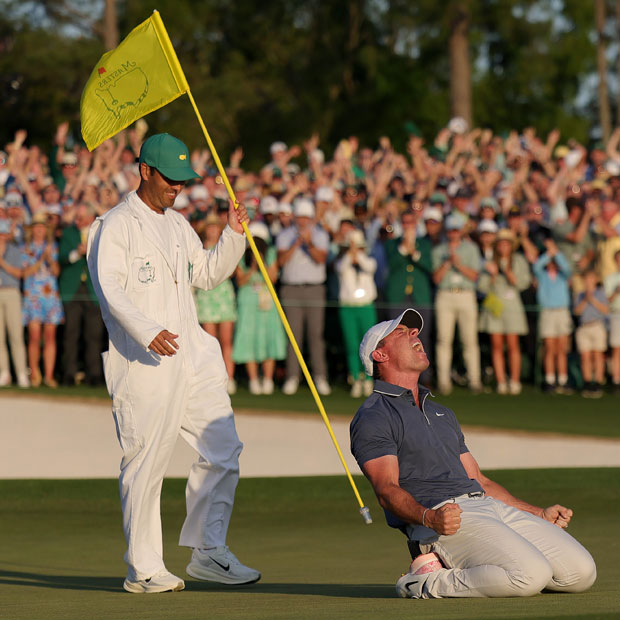


A Great Weekend for the Future of American Golf
Winners and Losers from LIV Golf 1.0

It's Too Soon for Jon Rahm's LIV Golf Retrospective
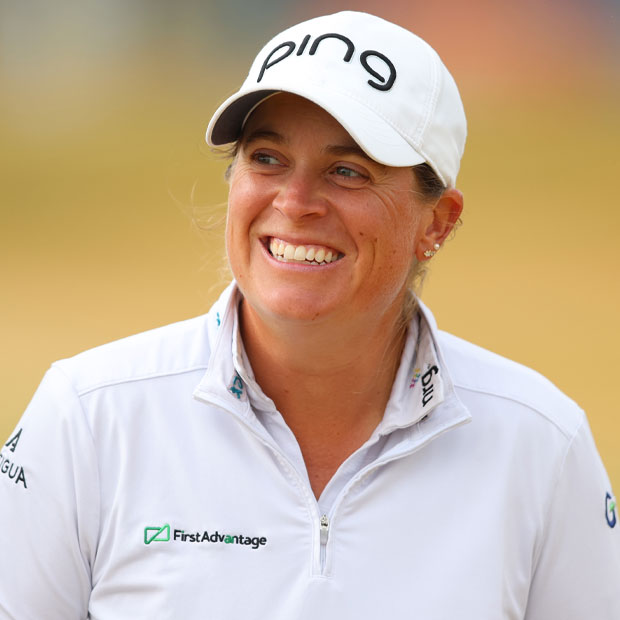
Lauren Coughlin's Brush With Perfection
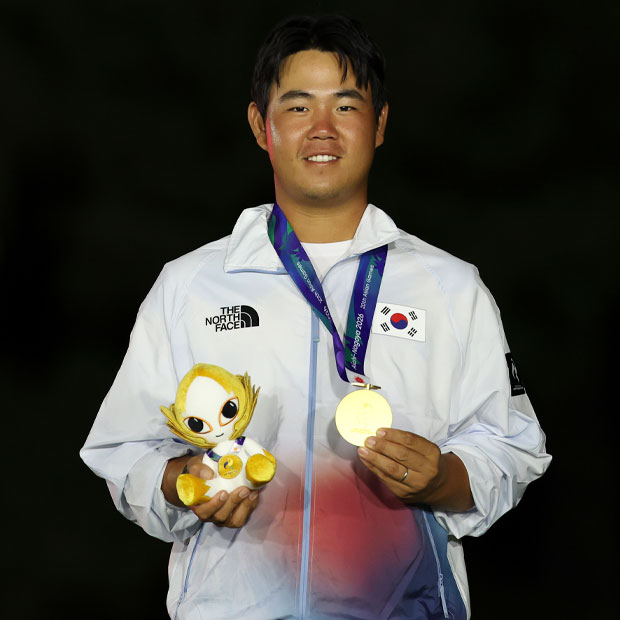
Weekend Update: Tom Kim Earns Military Exemption, Michael Block Stumbles
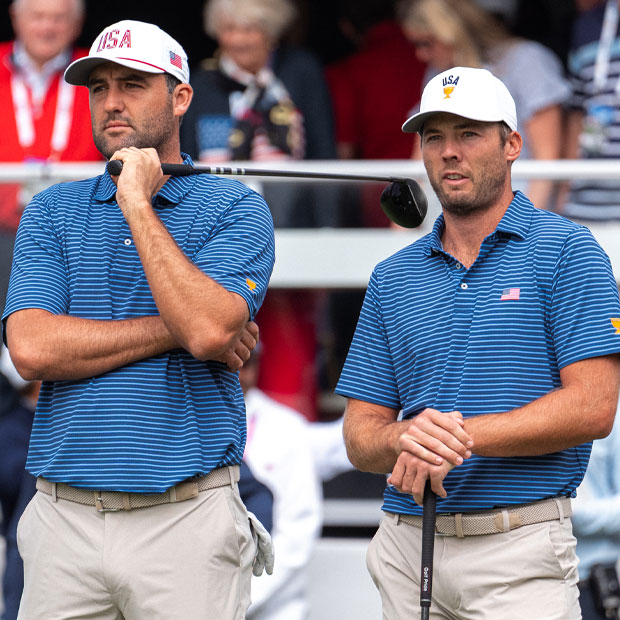
How Can Team USA Solve a Problem Like Foursomes?
Get full access to exclusive benefits from Fried Egg Golf
- Member-only content
- Community discussions forums
- Member-only experiences and early access to events