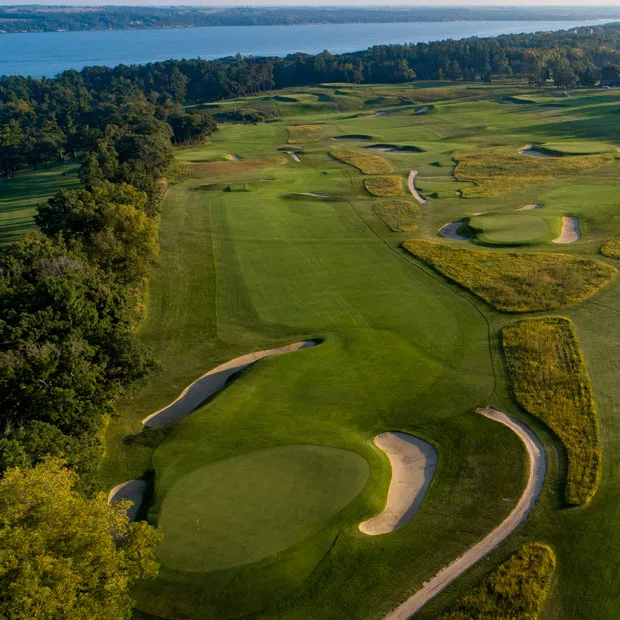







East Potomac - Friday, March 13 - 820am
Going to head out to EP Friday morning and have a foursome at 820am. Looking to fill two spots if anyone is interested. Weather currently looks not as awesome as today, but going to brave it anyway!

Latest:
Going to head out to EP Friday morning and have a foursome at 820am. Looking to fill two spots if anyone is interested. Weather currently looks not as awesome as today, but going to brave it anyway!
Going to head out to EP Friday morning and have a foursome at 820am. Looking to fill two spots if anyone is interested. Weather currently looks not as awesome as today, but going to brave it anyway!
FEGC Members,
A big goal of ours in 2026 is to offer up localized meetup opportunities for our membership that don't require travel to one of our events. I'm writing to you on this beautiful Monday with one of those opportunities.
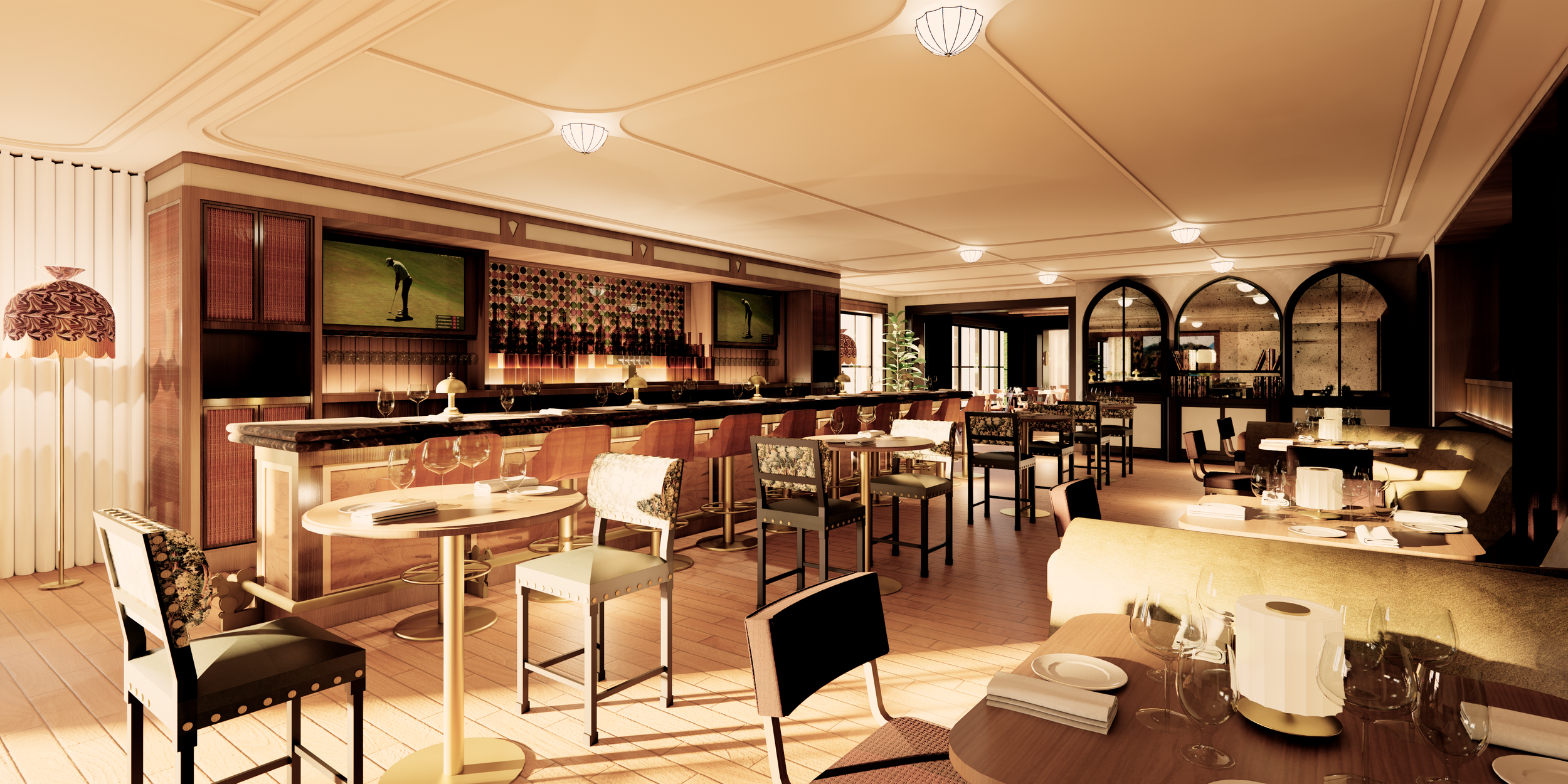
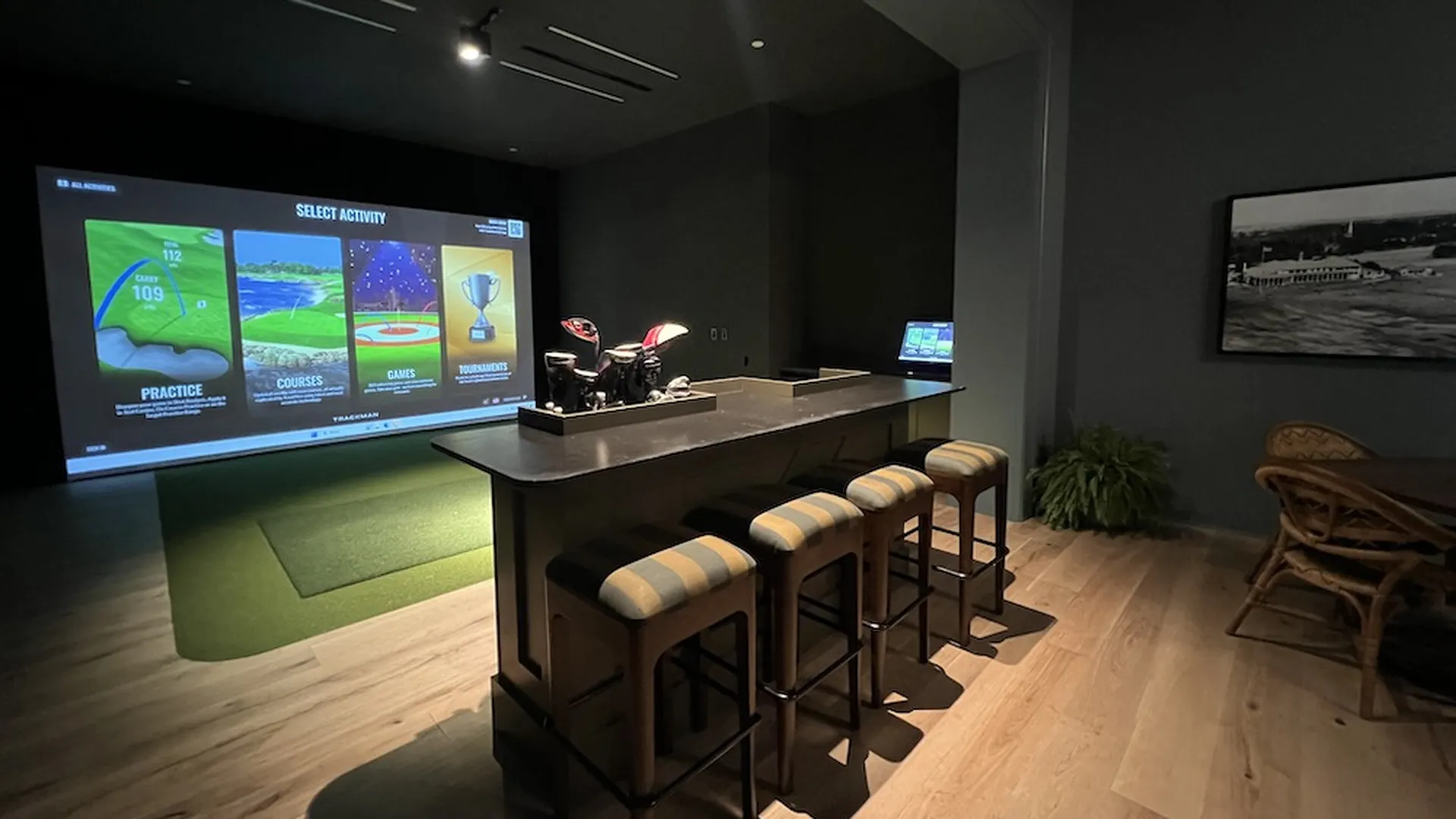
This spring, we are working with Intown Golf Club to bring together Fried Egg Golf Club members around the country. Intown offers upscale locations with simulators and great food & beverage options. You typically have to be an Intown member to access their facilities, but we are excited to off that access to you all simply for being FEGC members.
To kick off the year, we have set up four meetups in areas around the Midwest and East Coast for you to get some swings in, meet fellow FEGC members in your area, and help get the golf season kicked off in style. Those meetups will be:
Nashville, TN - March 19 - 6:00 - 8:00 p.m.
Address: 2212 12th Ave S
Atlanta, GA - March 26 - 6:00 - 8:00 p.m.
Address: 3050 Peachtree Rd #150
Philadelphia, PA - April 2 - 6:00 - 8:00 p.m.
Address: 201 King of Prussia Rd
Columbus, OH - April 2 - 6:00 - 8:00 p.m.
Address: 6620 Mooney St
If you are interested in joining, please respond here or shoot me an email! We will finalize payments in the coming weeks. We do need to have final totals for each event by 7 days out of each event so the Nashville deadline is coming up very soon. Hope you all can join in!
FEGC Members,
A big goal of ours in 2026 is to offer up localized meetup opportunities for our membership that don't require travel to one of our events. I'm writing to you on this beautiful Monday with one of those opportunities.
This spring, we are working with Intown Golf Club to bring together Fried Egg Golf Club members around the country. Intown offers upscale locations with simulators and great food & beverage options. You typically have to be an Intown member to access their facilities, but we are excited to off that access to you all simply for being FEGC members.
To kick off the year, we have set up four meetups in areas around the Midwest and East Coast for you to get some swings in, meet fellow FEGC members in your area, and help get the golf season kicked off in style. Those meetups will be:
Nashville, TN - March 19 - 6:00 - 8:00 p.m.
Address: 2212 12th Ave S
Atlanta, GA - March 26 - 6:00 - 8:00 p.m.
Address: 3050 Peachtree Rd #150
Philadelphia, PA - April 2 - 6:00 - 8:00 p.m.
Address: 201 King of Prussia Rd
Columbus, OH - April 2 - 6:00 - 8:00 p.m.
Address: 6620 Mooney St
If you are interested in joining, please respond here or shoot me an email! We will finalize payments in the coming weeks. We do need to have final totals for each event by 7 days out of each event so the Nashville deadline is coming up very soon. Hope you all can join in!
Picking up the thread that started here, I want to kick off a formal community lead project to map out the definitive golf architecture lineage tree.
You know how football nerds love tracing NFL head coaching trees? How everyone is a Bill Walsh guy or a Bill Parcells guy, and you can draw a line from one coach to half the league? Golf architecture has the same thing, maybe better, and we're going to build the coolest, most comprehensive version of it that exists. But I need your help.
I'll build out (I've actually already most built it out 😉) the front-end and back-end to display and manage the data. And in return I'm asking for help from the FEGC community to do the fun part: the research.
Here's what I need:
Architect bios — a sentence or two (or more if you're feeling it) on who each person was, what they're known for, and what made their work distinctive. Nothing encyclopedic, just enough to anchor readers in who the architect was.
Relationships — this is the core of the project. Things like:
If you're interested let me know and I'll throw a meeting on the books for later this week to chat about what I'd need to make this happen and how you can contribute.
Who's in?
Picking up the thread that started here, I want to kick off a formal community lead project to map out the definitive golf architecture lineage tree.
You know how football nerds love tracing NFL head coaching trees? How everyone is a Bill Walsh guy or a Bill Parcells guy, and you can draw a line from one coach to half the league? Golf architecture has the same thing, maybe better, and we're going to build the coolest, most comprehensive version of it that exists. But I need your help.
I'll build out (I've actually already most built it out 😉) the front-end and back-end to display and manage the data. And in return I'm asking for help from the FEGC community to do the fun part: the research.
Here's what I need:
Architect bios — a sentence or two (or more if you're feeling it) on who each person was, what they're known for, and what made their work distinctive. Nothing encyclopedic, just enough to anchor readers in who the architect was.
Relationships — this is the core of the project. Things like:
If you're interested let me know and I'll throw a meeting on the books for later this week to chat about what I'd need to make this happen and how you can contribute.
Who's in?
https://public.tableau.com/app/profile/john.cusick/viz/PGA_Signature_Events/EventPeformance
Sponsors get their first win of 2026
*based on Fedex points
https://public.tableau.com/app/profile/john.cusick/viz/PGA_Signature_Events/EventPeformance
Sponsors get their first win of 2026
*based on Fedex points
My cousin and I are attending the FEGC Prairie Dunes event this summer and couldn't be more excited. We're starting to consider travel plans and will probably fly into either Wichita or Kansas City the day before and wondering if anyone has any recs for interesting golf in either of those areas or en route to Hutchinson.
I was considering a round at Swope Memorial in KC the day before the event, but the most recent update I see suggests they are targeting a July reopening after last year's renovation work. Any recommendations would be appreciated.
Best
My cousin and I are attending the FEGC Prairie Dunes event this summer and couldn't be more excited. We're starting to consider travel plans and will probably fly into either Wichita or Kansas City the day before and wondering if anyone has any recs for interesting golf in either of those areas or en route to Hutchinson.
I was considering a round at Swope Memorial in KC the day before the event, but the most recent update I see suggests they are targeting a July reopening after last year's renovation work. Any recommendations would be appreciated.
Best
I received news that Michael Kaiser will be helping fund the renovation of Odana Hills.
I received news that Michael Kaiser will be helping fund the renovation of Odana Hills.
This might be a stupid question, but I'm going to ask because I don't know answer.
Re Brian Rolapp's scarcity plan, why does he believe that is the path to previously unrealized financial benefits and a higher profile for the Tour?
The Tour may save operational money by eliminating tournaments but it seems to me its TV contracts are based on the abundance Rolapp wants to eliminate. The Cognizant might not attract a great field, but it did attract 2.5 million viewers for NBC. That's a number networks will pay real money for, especially in this day and age.
I'm skeptical that only playing 27 tournaments (give or take a few) is suddenly going to lead to dramatically higher TV audiences and rights fees for the tour.
This might be a stupid question, but I'm going to ask because I don't know answer.
Re Brian Rolapp's scarcity plan, why does he believe that is the path to previously unrealized financial benefits and a higher profile for the Tour?
The Tour may save operational money by eliminating tournaments but it seems to me its TV contracts are based on the abundance Rolapp wants to eliminate. The Cognizant might not attract a great field, but it did attract 2.5 million viewers for NBC. That's a number networks will pay real money for, especially in this day and age.
I'm skeptical that only playing 27 tournaments (give or take a few) is suddenly going to lead to dramatically higher TV audiences and rights fees for the tour.
Getting ahead of this before next week. I have lived here 17 years and do not remember drought conditions this bad. Over/under 2.5 rounds with preferred lies despite historic drought.
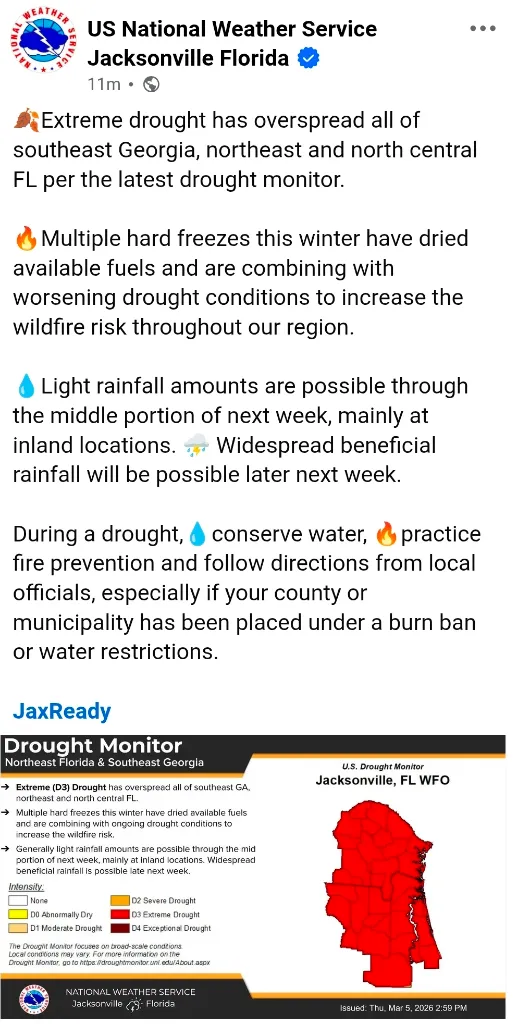
Getting ahead of this before next week. I have lived here 17 years and do not remember drought conditions this bad. Over/under 2.5 rounds with preferred lies despite historic drought.
Yesterday, Cameron and I went to check out the completed renovation work at Maggie Hathaway in Los Angeles. Neither of us had played the course before the project but we were both extremely impressed with what we saw. Tommy Naccarato, a longtime collaborator of Gil Hanse (who's firm waived their design fee) was onsite for the entire project and his passion for the work is evident in ground (he's calling it little LACC South). It's definitely one of the best sets of greens anyone can play for $9. The grand opening is March 27th and Garrett Morrison will have more on this project in next week's Design Notebook!
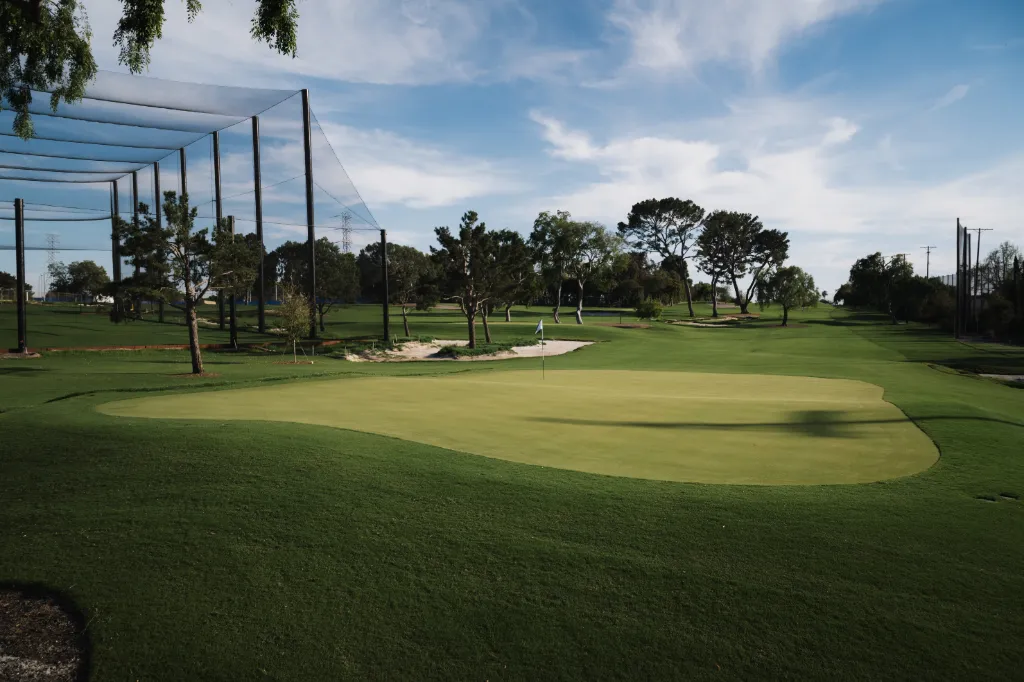

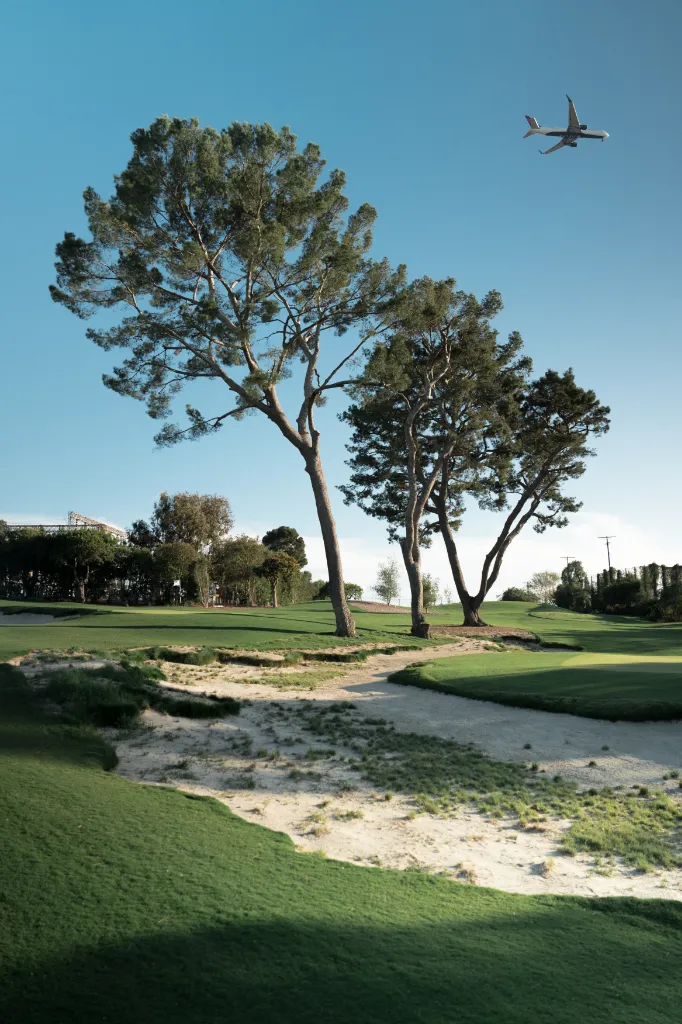
Yesterday, Cameron and I went to check out the completed renovation work at Maggie Hathaway in Los Angeles. Neither of us had played the course before the project but we were both extremely impressed with what we saw. Tommy Naccarato, a longtime collaborator of Gil Hanse (who's firm waived their design fee) was onsite for the entire project and his passion for the work is evident in ground (he's calling it little LACC South). It's definitely one of the best sets of greens anyone can play for $9. The grand opening is March 27th and Garrett Morrison will have more on this project in next week's Design Notebook!
The venerable Zach Anderson and I are meeting up at Pine Needles this coming Wednesday to play the course for the first time for both of us. We have room for 1 more and would love to get a fellow egghead out with the group if anyone is interested! Feel free to shoot a text to 717-215-0976 if interested!
Ben
The venerable Zach Anderson and I are meeting up at Pine Needles this coming Wednesday to play the course for the first time for both of us. We have room for 1 more and would love to get a fellow egghead out with the group if anyone is interested! Feel free to shoot a text to 717-215-0976 if interested!
Ben
Whatʻs up guys!
My fiancee is really into needlepoint, and makes me custom needlepoint belts (which always turn out amazing, I feel so grateful!). However, she sends them out to get "finalized" (leather / belt attached) and we have had issues with the quality of the leather, ie. the leather dye often bleeds when sweating / during rain.
Does anyone have recommendations / experience on where we can send our next belt to a finishing service with high quality leather? Can you send a custom canvas to Smathers or another brand?
Thanks guys!
Whatʻs up guys!
My fiancee is really into needlepoint, and makes me custom needlepoint belts (which always turn out amazing, I feel so grateful!). However, she sends them out to get "finalized" (leather / belt attached) and we have had issues with the quality of the leather, ie. the leather dye often bleeds when sweating / during rain.
Does anyone have recommendations / experience on where we can send our next belt to a finishing service with high quality leather? Can you send a custom canvas to Smathers or another brand?
Thanks guys!
From today's SGS, via Michael Wolf aka BamaBearcat:
Masters Fun Fact: Augusta National almost had a 15 story tall radio tower on the property. Before Bobby Jones acquired the Berkman family estate, the property was briefly owned by Perry Stoltz. Stoltz was in the process of developing a string of resorts across the SE United States when he acquired the Augusta land. Each resort would have included a golf course and 15 story hotel with a large radio tower on top. Stoltz’s plan was to link together the towers at each resort to create one of the countries first radio networks.
From today's SGS, via Michael Wolf aka BamaBearcat:
Masters Fun Fact: Augusta National almost had a 15 story tall radio tower on the property. Before Bobby Jones acquired the Berkman family estate, the property was briefly owned by Perry Stoltz. Stoltz was in the process of developing a string of resorts across the SE United States when he acquired the Augusta land. Each resort would have included a golf course and 15 story hotel with a large radio tower on top. Stoltz’s plan was to link together the towers at each resort to create one of the countries first radio networks.
After listening to KVV's interview on the GD pod, I thought it would be a good time to start a thread about sharing the game we love with our kids.
After listening to KVV's interview on the GD pod, I thought it would be a good time to start a thread about sharing the game we love with our kids.
Fellow eggheads - I’ve got my first “real” golf trip pegged for this summer. 5 days of Sand Valley, Lawsonia, and potentially Erin Hills. Growing up, I played enough to have a game until I graduated high school, but never competitively. The last ten years I’ve played a lot more and land between 15-25 rounds a year depending on life.
Last summer I walked 3 rounds in about 36 hours out at Pinehurst and Mid Pines. My swing started to abandon me a few different times on day 2, but with 9 left on the trip, I got an awful case of the lefts that I guessed was because my legs were shot. With my big trip this year (and a smaller 2.5 day one out to Aiken before it), I am really hoping to avoid my game vanishing for the trip.
What can I do to prep? Is it strength training with my legs and back? Something else? I’m in pretty solid shape for my mid 30s. I play a little tennis, run, and hit the stationary bike from to time.
Fellow eggheads - I’ve got my first “real” golf trip pegged for this summer. 5 days of Sand Valley, Lawsonia, and potentially Erin Hills. Growing up, I played enough to have a game until I graduated high school, but never competitively. The last ten years I’ve played a lot more and land between 15-25 rounds a year depending on life.
Last summer I walked 3 rounds in about 36 hours out at Pinehurst and Mid Pines. My swing started to abandon me a few different times on day 2, but with 9 left on the trip, I got an awful case of the lefts that I guessed was because my legs were shot. With my big trip this year (and a smaller 2.5 day one out to Aiken before it), I am really hoping to avoid my game vanishing for the trip.
What can I do to prep? Is it strength training with my legs and back? Something else? I’m in pretty solid shape for my mid 30s. I play a little tennis, run, and hit the stationary bike from to time.
I got into a spirited debate with a friend about equipment rollbacks needed. This person works in golf and respect tremendously. However, I got to defend the SGS positions of shrinking driver heads, reducing the ball by 20% and banning mallet putters. In my debate I dug up the Acushnet CEO's on record comments concerning a rollback and I died laughing at how poorly they have aged over the last three years.
Link to statement:
"It is also Acushnet’s position that existing golf ball regulations are effective and stand the test of time."
"As we consider today’s R&A and USGA announcement against recent feedback provided by the World Alliance of PGA’s and the PGA TOUR, we are also concerned that the golf ball rollback overly impacts golfers and does not fully reflect the input of those closest to the game."
"Many important stakeholders do not see distance as a problem the way the governing bodies do"
"We support the position of the PGA TOUR and others that there are many areas of focus at the elite level, including initiatives related to golf course setup and conditioning, and other competitive variables which, if desired, can limit the effects of distance while also providing the opportunity for a diverse skill set to succeed at the highest level."
"We note that the mean of the fastest 1% of measured clubhead speeds on the PGA TOUR was flat from 2019-2021 and declined in 2022 and 2023. The mean of the fastest 5%, 10%, 20% and 50% of measured clubhead speeds has been flat since 2017. We consider that the average course playing length on the 2023 PGA TOUR is less than 7,200 yards, just as it has been every year since 2004. We also note that U.S. golf courses built during the period 2010-2020 averaged 6,652 yards - 274 yards shorter than those built between 1990-2010, which is at odds with the notion that equipment has forced courses to expand."
Not sure about the clubhead speed measurements but I doubt they are the same today, anecdotally it doesn't seem to hold up.
One of the things that may be subtle but seems incredibly disingenuous to me is how the alternate between PGA Tour studies and pro golf as examples then switch back to talking about the average players and the average golf courses. I have no reason to doubt that the stats they are listing are true but in my mind they are highly suspect to cherry-picking.
Hope y'all find this as funny and reprehensible as I did.
I got into a spirited debate with a friend about equipment rollbacks needed. This person works in golf and respect tremendously. However, I got to defend the SGS positions of shrinking driver heads, reducing the ball by 20% and banning mallet putters. In my debate I dug up the Acushnet CEO's on record comments concerning a rollback and I died laughing at how poorly they have aged over the last three years.
Link to statement:
"It is also Acushnet’s position that existing golf ball regulations are effective and stand the test of time."
"As we consider today’s R&A and USGA announcement against recent feedback provided by the World Alliance of PGA’s and the PGA TOUR, we are also concerned that the golf ball rollback overly impacts golfers and does not fully reflect the input of those closest to the game."
"Many important stakeholders do not see distance as a problem the way the governing bodies do"
"We support the position of the PGA TOUR and others that there are many areas of focus at the elite level, including initiatives related to golf course setup and conditioning, and other competitive variables which, if desired, can limit the effects of distance while also providing the opportunity for a diverse skill set to succeed at the highest level."
"We note that the mean of the fastest 1% of measured clubhead speeds on the PGA TOUR was flat from 2019-2021 and declined in 2022 and 2023. The mean of the fastest 5%, 10%, 20% and 50% of measured clubhead speeds has been flat since 2017. We consider that the average course playing length on the 2023 PGA TOUR is less than 7,200 yards, just as it has been every year since 2004. We also note that U.S. golf courses built during the period 2010-2020 averaged 6,652 yards - 274 yards shorter than those built between 1990-2010, which is at odds with the notion that equipment has forced courses to expand."
Not sure about the clubhead speed measurements but I doubt they are the same today, anecdotally it doesn't seem to hold up.
One of the things that may be subtle but seems incredibly disingenuous to me is how the alternate between PGA Tour studies and pro golf as examples then switch back to talking about the average players and the average golf courses. I have no reason to doubt that the stats they are listing are true but in my mind they are highly suspect to cherry-picking.
Hope y'all find this as funny and reprehensible as I did.